
The Transformation of Manufacturing: Key Advancements
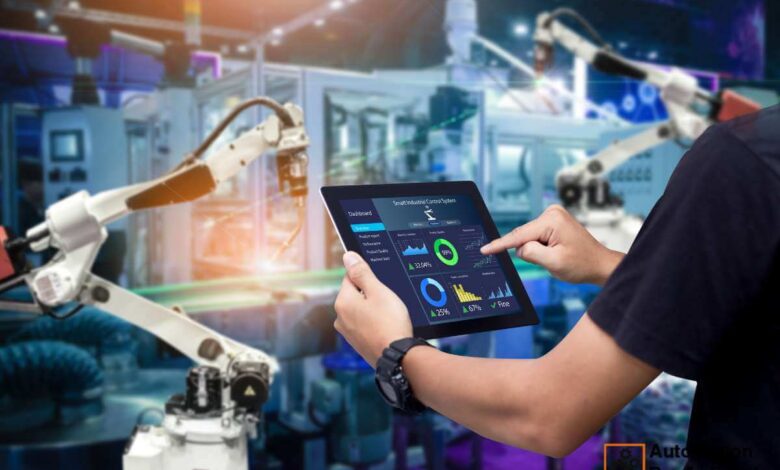
The ongoing transformation in the manufacturing sector is pivotal to how products are designed, manufactured, and delivered. At the heart of this revolution is Industry 4.0, characterized by the convergence of physical factories with digital technologies. This new paradigm not only enhances operational efficiencies but also redefines traditional roles within the workforce and introduces innovative business models.
Automation: Precision and Safety
Automation has emerged as a cornerstone of modern manufacturing. Robots, now equipped with sophisticated AI algorithms, can execute intricate tasks with remarkable accuracy. For instance, in the automotive industry, companies like Tesla utilize robotic arms for assembling vehicles, ensuring consistency while minimizing human error. Moreover, these robots can operate in hazardous environments, improving workplace safety by taking on dangerous tasks—such as welding or painting—instead of human workers.
Data Analytics: Driving Informed Decisions
The ability to harness data analytics is another critical advancement in manufacturing. Intelligent systems now collect and analyze large sets of data generated from operations. For example, predictive analytics can forecast when machinery is likely to fail before it breaks down, drastically reducing downtime and maintenance costs. Companies such as GE have implemented this approach in their manufacturing processes, leading to enhanced performance metrics and substantial cost savings.
Flexibility: Adapting to Market Demands
Flexibility in production lines represents a significant advancement in response to changing consumer demands. With consumer preferences evolving rapidly, manufacturers are under pressure to deliver customized products without substantial delays. An excellent example is the clothing industry, where brands like Nike employ advanced manufacturing techniques that allow them to produce personalized sneakers in shorter timeframes. This adaptability provides an edge in competitive markets and creates a more satisfied customer base.
The Internet of Things (IoT): Connectivity and Efficiency
The integration of the Internet of Things (IoT) creates a connected network of devices within the manufacturing environment. Smart sensors placed on production lines gather real-time data and facilitate communication between machines, leading to a more cohesive operational strategy. This interconnectedness allows manufacturers to monitor performance continuously, make real-time adjustments, and ultimately enhance productivity. For instance, companies can identify bottlenecks instantaneously, permitting swift interventions that optimize workflow.
The Broader Impact of Industry 4.0
As industries increasingly embrace these technologies, the factory of the future is being realized. However, this evolution raises significant questions about its implications for various stakeholders, especially workers who may face job displacement due to automation. The challenge lies in fostering a workforce that can thrive in this new landscape—one that is skilled in advanced technologies and prepared for an evolving job market. Consequently, educational institutions and businesses must collaborate closely to ensure the workforce is equipped for future demands.
In conclusion, as we move forward into this fascinating new era of manufacturing, stakeholders must stay informed about the developments reshaping the industry. The advancement of technology promises numerous benefits but also demands vigilance and adaptability to navigate its complexities effectively.
DISCOVER MORE: Click here to learn more
Revolutionizing Production Processes
The integration of robotics with artificial intelligence is not just an evolution—it’s a revolution that is radically changing the face of manufacturing. As factories begin to adopt these advanced technologies, they are witnessing unprecedented improvements in production efficiency, quality, and innovation.
Enhancing Productivity through Collaborative Robots
One of the most significant advancements in the realm of Industry 4.0 is the rise of collaborative robots, or cobots. Unlike traditional industrial robots that operate in isolation, cobots are designed to work alongside human operators. This collaboration not only increases productivity but also enhances the quality of work. For example, a manufacturer in California has deployed cobots to assist workers on assembly lines, enabling a seamless integration of human skill and robotic precision. This approach not only minimizes repetitive strain injuries but also allows human workers to focus on more complex, value-added tasks.
Artificial Intelligence: The Brain Behind the Machines
At the core of this transformation is sophisticated artificial intelligence. AI algorithms help machines learn from their environment, adapt in real-time, and even predict future outcomes based on historical data. For instance, in a packaging facility in Texas, AI-driven robots have been implemented to analyze product dimensions and adjust the packing process accordingly, ensuring minimal waste and maximizing efficiency. This level of adaptability is crucial in a rapidly changing consumer landscape, where demand can fluctuate drastically.
Key Benefits of Robotics and AI Integration
The marriage of robotics and AI yields numerous benefits for manufacturers, including:
- Increased Efficiency: Enhanced speed and precision in production processes.
- Cost Reduction: Lower labor costs and diminished waste through optimized processes.
- Quality Improvement: Consistent quality assurance as cobots maintain high standards without fatigue.
- Scalability: Faster adaptation to changing production requirements, allowing for easy scaling up or down based on market demands.
- Data-Driven Insights: Enhanced decision-making through real-time data analysis, leading to smarter operational strategies.
The Future of Work and Skills Development
As the integration of robotics and AI takes center stage in factories, the future of work is evolving at an accelerated pace. The demand for a workforce skilled in technology and adaptable to changes is paramount. Educational institutions are now beginning to re-evaluate their curriculums, with efforts to equip future workforce leaders with essential skills in programming, data analytics, and robotics. Additionally, on-the-job training programs are becoming increasingly popular, as companies recognize the need to upskill existing employees to remain competitive.
In conclusion, as Industry 4.0 continues to unfold, the strategic integration of robotics and artificial intelligence is not merely a fleeting trend. Rather, it is a transformative force that promises to reshape not just manufacturing processes, but also the very nature of work itself. Staying informed about these developments is crucial for all stakeholders, from industry leaders to the workforce, as they navigate this exciting yet challenging landscape ahead.
The integration of robotics and artificial intelligence (AI) in manufacturing—hallmarks of Industry 4.0—has led to unprecedented transformations in factory operations. Automation is no longer confined to routine tasks; intelligent machines now learn and adapt, significantly optimizing production processes. Modern AI algorithms empower robots to operate with a level of precision and speed that surpasses traditional methodologies. This not only enhances productivity but also improves the quality of outputs, reducing the rate of defects and waste.Moreover, data-driven insights play a crucial role in enabling smarter decision-making on the factory floor. With advanced sensors and real-time analytics, machines can communicate and collaborate, enabling a seamless workflow that reduces downtime and enhances efficiency. For example, predictive maintenance—an application of AI—means machinery can self-assess and alert teams to required maintenance before issues escalate, thereby minimizing costly interruptions.The impact on the workforce cannot be understated. While the fear of job displacement looms large, Industry 4.0 brings with it the opportunity for upskilling. Workers are transitioning from mundane tasks to more strategic roles, such as controlling robotic systems and analyzing performance data. This shift necessitates ongoing training and education, fostering a culture of continuous improvement and innovation.Supply chain optimization is another crucial benefit as AI enables better inventory management and demand forecasting, allowing for a more agile response to market changes. Factories can now produce on demand rather than in anticipation, radically shifting traditional inventory strategies.Overall, the evolution toward integrating robotics and AI is not merely a technological upgrade; it represents a paradigm shift in how production systems function, setting the stage for a future where efficiency, adaptability, and innovation are paramount. As this trend continues to unfold, the potential for enhanced collaboration between humans and machines grows, paving the way for smarter manufacturing practices that promise both economic advantage and improved workplace environments.
DISCOVER MORE: Click here to dive deeper
Transforming Supply Chain Management
The integration of robotics and artificial intelligence is also revolutionizing supply chain management within factories, creating a more agile and responsive manufacturing environment. As businesses strive for greater speed and flexibility to meet evolving market demands, AI-driven systems and robotic solutions play a pivotal role in streamlining supply chain processes.
Smart Warehousing Solutions
One compelling development is the rise of smart warehouses, where autonomous robots equipped with AI algorithms optimize storage and inventory management. Companies like Amazon have already harnessed the power of robotic fulfillment centers, utilizing robots that autonomously navigate vast warehouse spaces to retrieve items efficiently. This eliminates delays associated with human labor and dramatically accelerates order processing times. For instance, a study revealed that robots can pick and pack items up to three times faster than a human worker. This not only enhances the productivity of the warehouse but improves customer satisfaction through quicker delivery times.
Predictive Analytics for Inventory Management
Artificial intelligence facilitates predictive analytics, allowing manufacturers to make data-driven decisions about inventory and supply chain management. Utilizing historical data, AI systems can forecast demand trends and adjust inventory levels proactively, thereby minimizing the risk of overstocking or stockouts. A notable example is a major automotive manufacturer that implemented AI-driven analytics to synchronize its parts supply chain, resulting in a 20% reduction in holding costs and significantly improved production timelines.
Automating Transportation and Logistics
The transportation segment of supply chains also benefits immensely from the integration of robotics and AI. Autonomous vehicles and drones are transforming how goods are delivered and managed. Companies are now deploying self-driving trucks and delivery drones to render logistics networks more efficient. For example, a logistics company in Michigan has begun testing drone deliveries for small packages, significantly reducing last-mile costs. According to reports, aerial drone deliveries can decrease shipping times by up to 30%, offering substantial savings to businesses while meeting consumer demands for faster service.
Real-Time Monitoring and Traceability
AI-powered solutions also facilitate real-time monitoring of supply chain components, enabling quick responses to disruptions. Through IoT (Internet of Things) sensors and advanced analytics, businesses can track materials, machinery, and even workforce performance in real-time. In practice, this has allowed a leading pharmaceutical company to ensure compliance and traceability throughout its logistical processes, drastically improving its drug recall performance while securing its reputation for quality and safety.
Challenges in the Integration Process
While the benefits of integrating robotics and AI into supply chain management are evident, challenges remain. Many companies face difficulties in implementing these advanced systems due to high initial costs and the complexity of retrofitting legacy systems. Moreover, data security concerns surrounding AI algorithms and IoT devices pose additional hurdles, necessitating robust cybersecurity infrastructures. Companies are increasingly investing in education and training for their workforce to handle these technologies effectively and mitigate inherent risks.
The ongoing transformation brought about by Industry 4.0 necessitates not only the adaptation of technologies but also a reevaluation of operational strategies across the manufacturing landscape. As the landscape continues to evolve, understanding these technological advancements becomes crucial for maintaining competitiveness and achieving operational excellence.
DISCOVER MORE: Click here for further insights
Conclusion: Embracing the Future of Manufacturing
The dawn of Industry 4.0 marks a transformative period for factories, fueled by the integration of robotics and artificial intelligence. This synergy not only enhances operational efficiency but also drives innovation across the manufacturing landscape. As we have explored, the benefits extend beyond mere automation; from smart warehousing solutions that expedite order fulfillment to predictive analytics that optimize inventory management, AI and robotics are redefining traditional paradigms.
Furthermore, the shift towards autonomous logistics and real-time monitoring demonstrates a significant leap toward a more interconnected and responsive manufacturing ecosystem. By harnessing these advanced technologies, organizations can respond to consumer demands with unprecedented agility, ensuring sustainability and improved profit margins. However, the journey is not without its challenges. High initial costs, outdated systems, and data security concerns require businesses to navigate a complex landscape thoughtfully.
As we look forward, it is clear that factories embracing Industry 4.0 must not only invest in cutting-edge technologies but also cultivate a workforce adept at leveraging these tools effectively. The transformation is just beginning, and companies that invest in continuous learning and adaptation will be the ones to thrive in this new industrial era. The revolution of Industry 4.0 is not a mere trend; it represents a fundamental shift in how we think about manufacturing and productivity in the modern world.
For those eager to explore further, the implications of this technological evolution reach into every corner of economic activity, making this an exciting time to be engaged in the manufacturing sector.
Related posts:
Leveraging Robotics Integration for AI-Enhanced Space Exploration Missions
Cybersecurity in Robotics: Protecting AI Systems Against Threats and Vulnerabilities
Robotics and AI in Healthcare: The Integration of Technologies to Improve Patient Care
The Impact of Robotics Integration on AI-Enhanced Autonomous Vehicles
The Role of Robotics Integration in Enhancing AI-Powered Manufacturing Processes
Impact of Robotics and AI Integration in Agriculture: Technologies that Revolutionize Food Productio...

Beatriz Johnson is a seasoned AI strategist and writer with a passion for simplifying the complexities of artificial intelligence and machine learning. With over a decade of experience in the tech industry, she specializes in topics like generative AI, automation tools, and emerging AI trends. Through her work on our website, Beatriz empowers readers to make informed decisions about adopting AI technologies and stay ahead in the rapidly evolving digital landscape.