
The Intersection of Robotics and AI in Autonomous Vehicles
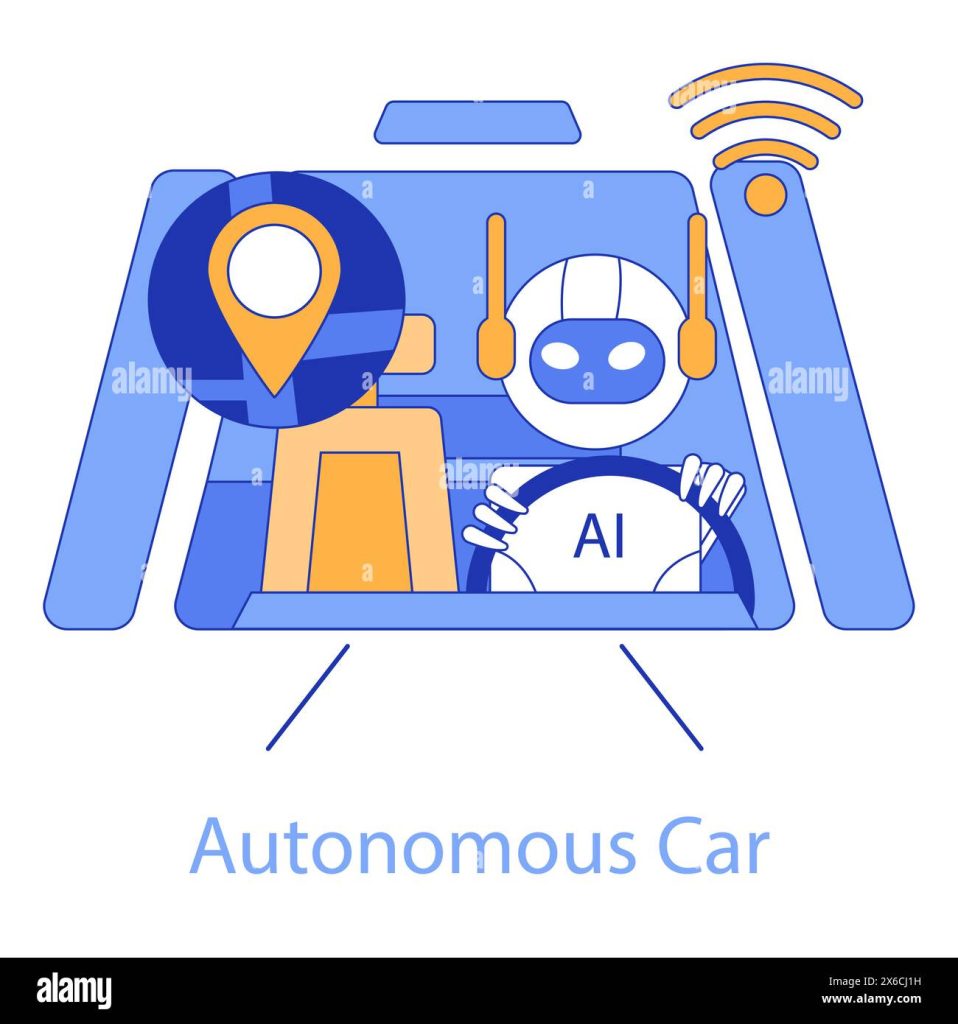
The automotive industry is experiencing a remarkable transformation fueled by the fusion of robotics and artificial intelligence (AI). As AI-enhanced autonomous vehicles (AVs) make their way into the mainstream, this convergence not only elevates transportation but significantly alters the overall driving experience. Innovations in robotics are leading to advanced safety measures, improved navigation systems, and tailored user experiences, all of which stand to revolutionize how we think about mobility.
At the core of autonomous vehicles is a suite of advanced technologies that facilitate self-driving capabilities. These include:
- Advanced sensors: These devices, which include radar, lidar, and ultrasonic sensors, help vehicles understand their environment by detecting obstacles and other vehicles in real time.
- Machine learning algorithms: These algorithms allow AVs to learn from vast amounts of data, enabling them to adapt to new driving situations and improve decision-making processes over time.
- Computer vision systems: These systems utilize cameras and AI to interpret visual data, enabling vehicles to identify traffic signals, pedestrians, and road signs.
- Robotic actuation for navigation: This technology ensures that AVs can perform precise movements, such as turning, accelerating, or braking, based on real-time data processing.
The integration of robotics into these technologies enhances the functionality of AVs in several significant ways:
- Improved obstacle detection and navigation: With robotics at the forefront, autonomous vehicles can accurately navigate complex environments, making split-second decisions that promote safer driving.
- Increased safety: Enhanced robotic systems provide more responsive control, allowing AVs to react more swiftly to sudden changes, thereby reducing the likelihood of accidents.
- Enhanced user experience: The incorporation of smart personal assistants not only streamlines navigation but also offers personalized recommendations and entertainment options to passengers.
In the United States, leading companies are capitalizing on these advancements. For instance, Tesla has aggressively integrated self-driving technologies through its Autopilot feature, which continually evolves thanks to over-the-air software updates. On the other hand, Waymo, a subsidiary of Alphabet, is pioneering fully autonomous ride-hailing services, showcasing the potential for AVs to reshape urban transportation.
The future looks promising as robotics and AI intertwine, promising innovations that will fundamentally change the automotive landscape. This shift compels stakeholders—from manufacturers to consumers—to rethink not only the role of vehicles but also our broader transportation infrastructure. As we explore the implications of such advancements, it becomes increasingly clear that the integration of robotics and AI will redefine what it means to travel, emphasizing safety, efficiency, and user experience.
DISCOVER MORE: Click here for additional insights
Transforming Mobility: The Role of Robotics in Autonomous Driving
The integration of robotics into AI-enhanced autonomous vehicles is not merely a technological upgrade; it represents a fundamental shift in how we perceive and interact with transportation. While the promise of self-driving cars has captured the imagination of consumers and technological innovators alike, the reality is that the effectiveness of these vehicles largely relies on the seamless collaboration between advanced robotics and AI systems. This partnership paves the way for enhanced performance, safety, and adaptability on the road.
One of the most significant contributions of robotics to autonomous vehicles lies in real-time decision making. Robotics enables AVs to interpret and respond to dynamic environments effectively. With the help of sophisticated sensors and AI algorithms, vehicles can assess their surroundings continuously, making decisions that prioritize the safety of passengers and pedestrians. For instance, when faced with unexpected obstacles, such as a child chasing a ball into the street, a robotic system’s rapid data processing can result in instantaneous braking or evasive maneuvers, vastly reducing the chances of accidents.
The efficacy of robotic integration is further exemplified in the following key areas:
- Precision Driving: Robotics enhances the vehicle’s ability to execute complex maneuvers with high accuracy, such as parallel parking or navigating tight corners. This capability not only improves parking efficiency but also alleviates driver stress, making urban driving more manageable.
- Adaptive Learning: Machine learning, a component of AI, works hand-in-hand with robotics to create AVs that can learn from real-world experiences. This allows vehicles to refine their driving techniques over time, adapting to various weather conditions, unfamiliar terrains, and different traffic regulations across states.
- Robust Multi-Modal Navigation: By leveraging robotics, autonomous vehicles can integrate multiple navigation systems, including satellite positioning and real-time traffic updates. This fusion allows them to chart the most efficient routes, saving time and reducing fuel consumption.
As companies like Ford and General Motors invest heavily in robotics for AV design, the race to perfect autonomous technology is intensifying. Ford has launched its own self-driving vehicle initiative, leveraging robotics to enhance safety features and optimize fuel efficiency. Meanwhile, GM’s Cruise division is focusing on deploying fully autonomous taxis in select urban areas, underscoring the potential for robotics to reshape ride-sharing experiences.
Importantly, the impacts of robotics integration extend beyond the vehicles themselves to influence broader transportation ecosystems. For example, as AVs equipped with robotic systems become more prevalent, cities may need to rework traffic infrastructures, such as creating dedicated lanes or smart traffic management systems that complement robotic functionalities. This evolution will require collaboration between tech companies, city planners, and regulatory bodies to facilitate a safe and efficient transition into a future where AI-enhanced AVs rule the roads.
The intersection of robotics and AI in autonomous vehicles is paving the way for groundbreaking advancements in the transportation sector. With ongoing innovations in safety, adaptability, and user experience, the future of mobility promises to be not just autonomous but also remarkably intelligent.
The Impact of Robotics Integration on AI-Enhanced Autonomous Vehicles
The integration of robotics within the realm of AI-enhanced autonomous vehicles significantly alters the landscape of transportation, providing a plethora of advantages that reshape our approach to mobility. As engineers and technologists continue to innovate, the synergy between robotics and artificial intelligence is paving the way for a safer and more efficient transit system.
| Advantage | Description |
|---|---|
| Enhanced Safety | AI-driven robots can process data and adapt in real-time, minimizing accidents caused by human error. |
| Operational Efficiency | Robotic systems optimize navigation routes, conserving energy and reducing travel times. |
These innovations are not only beneficial for individual users but also contribute to the greater goal of sustainable development. By harnessing robotics integration within autonomous vehicles, industries have the potential to lower carbon emissions significantly. Furthermore, the use of advanced algorithms enables predictive maintenance, ensuring vehicles are repaired before failures occur, enhancing both safety and efficiency. The promise of a future with fewer traffic jams and reduced environmental footprints beckons increasingly as these technologies advance.
This evolving narrative of robotics and AI is captivating stakeholders across various sectors, from automotive manufacturers to city planners. The prospect of autonomous vehicles operating seamlessly in urban environments instigates discussions on infrastructure adaptations and regulatory frameworks necessary for the widespread adoption of these technologies.
DISCOVER MORE: Click here to dive deeper
Enhancing Safety and Efficiency Through Robotics
The integration of robotics in AI-enhanced autonomous vehicles is not only about improving driving capabilities; it is also about enhancing safety and operational efficiency on the roads. One of the paramount benefits of this merger is enhanced safety measures that can significantly reduce accident rates. With advanced sensors and robotics, autonomous vehicles are equipped to execute more effective safety protocols. For instance, the inclusion of LiDAR (Light Detection and Ranging) technology allows vehicles to create detailed three-dimensional maps of their surroundings. This technology can identify pedestrians, cyclists, and other vehicles with remarkable precision, enabling timely responses that mitigate collision risks.
Moreover, robotics integration leads to an enriched communication framework between vehicles and their environments. Through Vehicle-to-Everything (V2X) communication, autonomous vehicles can exchange critical information with other vehicles, traffic signals, and even road infrastructure. For example, vehicles can receive real-time alerts about traffic congestion, road conditions, or accidents ahead, allowing them to alter their routes proactively and safely. This proactive decision-making mitigates potential dangers and optimizes travel efficiency, showcasing how robotics elevates not just the vehicle but the entire driving ecosystem.
Consumer acceptance is another critical component influenced by robotics in autonomous vehicles. Studies indicate that as consumers become familiar with robotic safety features—such as automatic emergency braking and lane-keeping assistance—their willingness to adopt autonomous technology increases. A survey by AAA revealed that 63% of Americans are afraid to ride in a fully autonomous vehicle, primarily due to safety concerns. However, as robotics and AI prove their capabilities through data-backed performance improvements, public anxiety may gradually dissipate, leading to greater market acceptance.
In the realm of logistics and delivery services, robotics integration is proving to be revolutionary. Major companies, such as Amazon and Walmart, are experimenting with autonomous delivery vehicles and robots that can navigate urban environments efficiently. For instance, Amazon’s Scout, a small delivery robot, utilizes robotics technology to traverse sidewalks and deliver packages autonomously. This innovation not only streamlines operations but also reduces costs associated with human labor, which is increasingly significant as demand for fast delivery services rises in the U.S.
The implications of heightened robotics capabilities also extend to urban planning and infrastructure development. As the integration of AI and robotics in autonomous vehicles becomes more mainstream, cities will be compelled to adapt their infrastructure accordingly. Smart road systems that interact with autonomous vehicles can be established, enabling the optimization of traffic lights to minimize congestion and maximize safety. In this context, the collaboration between municipalities, technology developers, and automotive companies will forge a new era of intelligent cityscapes, equipped to handle the traffic challenges of tomorrow.
As robotics and AI continue to converge within the automotive industry, it is essential to keep abreast of the pace of innovation and its far-reaching impacts. The drive towards smarter, safer, and more efficient transportation solutions is anchored in the transformative power of robotics—a facet that is rapidly reshaping our mobility landscape.
DISCOVER MORE: Click here to dive deeper
Conclusion: The Future of Transportation with Robotics and AI
As we navigate through the transformative landscape of autonomous vehicles, the integration of robotics and artificial intelligence emerges as a pivotal force in enhancing not only vehicle performance but also overall safety and efficiency on our roads. The advanced capabilities of robotics, from LiDAR technology to sophisticated V2X communication, are reshaping the dynamics of how vehicles interact with their environments, significantly reducing accidents and improving traffic flow. These innovations hold the potential to revolutionize the way we perceive mobility, making the roads safer for everyone.
Additionally, the impact extends beyond individual driving experiences; it influences wider societal aspects such as logistics and urban planning. With companies like Amazon exploring autonomous delivery options, the operational landscape is evolving, showcasing the efficiencies that robotics bring to supply chains and urban infrastructures. Cities are at a critical juncture where collaboration with technology developers is essential to create smart infrastructures that can accommodate these advancements.
Public acceptance remains a significant hurdle, but as data reflects improvements in safety and reliability, consumer confidence is likely to grow. This gradual acceptance may lead to a paradigm shift in transportation culture, paving the way for a future where autonomous vehicles are a standard part of daily life.
In conclusion, the integration of robotics into AI-enhanced autonomous vehicles is not merely a technological advancement; it is a cornerstone for a new era of mobility that promises to be smarter, safer, and more efficient. As we look ahead, it is crucial to remain informed about these developments, recognizing that the road to a more connected and autonomous future is driven by the harmonization of robotics and AI.
Related posts:
Integrating Robotics with AI for Disaster Response: Innovations and Challenges
The Intersection of Robotics Integration and AI in Environmental Conservation Efforts
Robotics and AI in Education: Personalization of Learning Through Technology
Integration of Robots and AI in Domestic Environments: Transforming Daily Life with Automation
How Robotics Integration is Transforming Smart Homes with AI Technology
The Integration of Robotics in Autonomous Transport Systems: Challenges and Opportunities

Beatriz Johnson is a seasoned AI strategist and writer with a passion for simplifying the complexities of artificial intelligence and machine learning. With over a decade of experience in the tech industry, she specializes in topics like generative AI, automation tools, and emerging AI trends. Through her work on our website, Beatriz empowers readers to make informed decisions about adopting AI technologies and stay ahead in the rapidly evolving digital landscape.