
The Rise of Robotics and AI in Manufacturing
The landscape of manufacturing is undergoing a significant transformation as automation technologies advance. The integration of robotics with artificial intelligence (AI) stands at the forefront of this shift, revolutionizing how products are designed, built, and delivered. This confluence of technologies not only streamlines production processes but also fosters an environment ripe for innovation and exceptional operational efficiency.
One key advantage of this integration is improved efficiency. Automation allows robots to work continuously without the need for breaks, sleep, or downtime. For instance, automotive manufacturers like Ford and General Motors utilize robotic assembly lines that run 24/7, significantly enhancing output and meeting consumer demand with speed and precision. Such relentless operation helps companies maintain tight production schedules and respond swiftly to market changes.
Another compelling benefit is enhanced quality control. With AI capabilities, robots are equipped to perform detailed inspections and detect defects far more accurately than human workers. This capability is critical in sectors like electronics, where even the slightest imperfection can render a product unusable. Companies like Apple leverage AI-driven robots in their manufacturing plants to sift through thousands of components, ensuring that each item meets rigorous quality standards before it reaches consumers.
Flexibility in production is also a noteworthy strength of robotic systems. Traditional manufacturing setups often struggle to adapt quickly to new product lines or modifications. However, AI-enhanced robots can easily recalibrate themselves to accommodate changes in design or production volume. For example, in the clothing industry, brands like Adidas are utilizing robots to produce customized items on-demand, significantly reducing inventory costs and waste while catering to individual consumer preferences.
Cost reduction remains a pivotal factor for businesses considering this technological leap. By minimizing reliance on human labor, companies can significantly lower labor costs, which typically account for a large portion of manufacturing expenses. Automation also curtails waste through precise inventory management and optimized material use, contributing to a healthier bottom line. Industry leaders like Siemens showcase how integrating AI and robotics leads to up to 30% savings in production costs, allowing for reinvestment into further innovation.
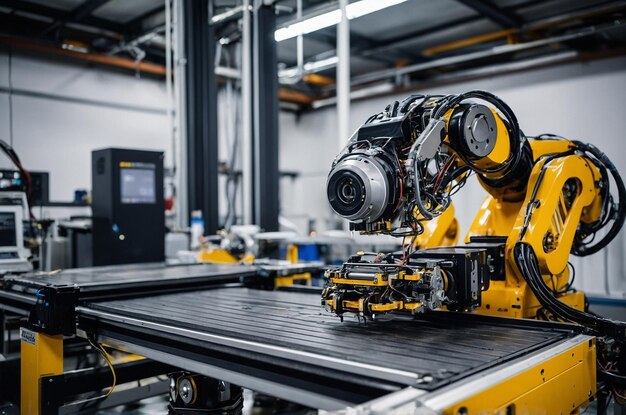
The implications of merging robotics and AI are vast and varied, presenting a multitude of opportunities for companies willing to embrace these changes. Industry giants like Tesla and Boeing exemplify the successful deployment of these technologies, resulting in remarkable improvements in production efficiency, innovation speed, and product quality. As we explore the intricate relationship between robotics and AI, the potential for growth and enhanced productivity in manufacturing becomes increasingly evident.
Continuing to delve into how these technologies can reshape manufacturing processes will be vital for companies aiming to remain competitive in a rapidly evolving industry. The future is now, and embracing the robotics-AI synergy is essential for those looking to thrive in the next chapter of manufacturing evolution.
DISCOVER MORE: Click here to learn more
Transforming Production Lines: The Synergy of Robotics and AI
The integration of robotics and artificial intelligence (AI) is not merely a trend; it is a profound shift that is redefining the manufacturing landscape in the United States and beyond. This technological marriage creates a dynamic interaction between machines and algorithms, resulting in a more productive, adaptable, and intelligent manufacturing process. As businesses embrace these advancements, it is essential to explore how robotics integration is enhancing AI-powered manufacturing.
One of the most significant transformations powered by robotics and AI is the emergence of smart factories. Within these advanced production facilities, interconnected machines communicate with each other, sharing real-time data to optimize every segment of the production line. This interconnectedness leads to improved decision-making processes and a significantly increased capacity for customization. As a result, businesses can produce highly specialized products that meet the evolving needs of consumers without incurring prohibitively high costs.
Moreover, implementing robotics technology can greatly alleviate the labor shortages faced by many industries, particularly manufacturing. The U.S. has been grappling with a skilled labor scarcity, making it challenging for factories to maintain consistent production levels. Here, robotics play a critical role; by automating repetitive and strenuous tasks, companies can free up human employees for more complex and strategic roles. This not only enhances job satisfaction but also equips workers with valuable skills in overseeing and managing sophisticated automated systems.
Key Benefits of Robotics Integration in AI-Powered Manufacturing
As manufacturers increasingly look to robotics integration, several critical benefits emerge:
- Increased Speed and Agility: Robotics facilitate faster production cycles, enabling industries to scale operations quickly in response to market demands.
- Data-Driven Insights: With AI’s ability to analyze vast datasets, manufacturers can make informed decisions that enhance workflow efficiency and reduce downtime.
- Safety Improvements: By automating hazardous tasks, robotics reduce workplace injuries, creating a safer environment for all employees.
- Sustainability Efforts: Robotics can optimize resource utilization, curbing excess waste and contributing to environmentally friendly manufacturing practices.
In sectors such as pharmaceuticals, the combination of AI and robotics has proven transformative. For instance, companies like Johnson & Johnson are deploying robotic applications to enhance the packing and labeling processes, ensuring precision while adhering to regulatory standards. This focus on accuracy not only boosts production but also dramatically reduces the likelihood of costly recalls due to human error.
As we delve deeper into how robotics integration elevates AI-powered manufacturing processes, it becomes evident that the fusion of these technologies empowers businesses to emerge resiliently in today’s competitive landscape. The promise of a more efficient, agile, and innovative manufacturing paradigm is closer than ever, revealing a compelling vision for the future of production. As we continue to examine this role, the path forward for manufacturers involves not just adopting these solutions but strategically leveraging them to maximize their potential.
The Role of Robotics Integration in Enhancing AI-Powered Manufacturing Processes
As we delve deeper into the transformative impact of robotics within AI-powered manufacturing environments, it becomes essential to understand how both technologies complement each other and the profound benefits they together offer.One significant advantage of robotics integration is the enhancement of production efficiency. By deploying robots alongside AI systems, manufacturers can streamline operations that traditionally require manual intervention. For instance, robots control repetitive tasks, allowing AI to analyze data and optimize processes in real-time. This synergy reduces downtime and improves overall productivity. Automation not only accelerates production timelines but also lowers operational costs, as machines can work tirelessly without the need for breaks or shifts.Moreover, the combination of robotics and AI brings forth improved quality control. Advanced robotics, equipped with sophisticated sensors and AI algorithms, can detect flaws or irregularities in products with remarkable precision. This level of scrutiny surpasses what human operators can achieve, ensuring that only top-quality products reach the market. Consequently, the integration helps in maintaining consistent product standards and enhances customer satisfaction while reducing waste and rework costs.Robotics integration also introduces greater flexibility in manufacturing processes. With the ability to quickly reprogram robots to adapt to changing product designs or market demands, businesses can pivot strategies without significant investment in new machinery. This agility is a crucial advantage in today’s fast-paced market landscape, where consumer preferences can shift rapidly.Additionally, data collected by robots during operations can provide invaluable insights. Integrating robotics with AI-driven data analytics allows manufacturers to discover hidden patterns and trends, leading to more informed decision-making. By leveraging this data, organizations can identify inefficiencies and optimize their supply chains, financial forecasts, and market strategies.Furthermore, the boost in safety protocols is another advantage of robotics integration in manufacturing. By implementing robots for hazardous tasks, companies can significantly reduce workplace accidents and improve employee safety. This shift not only fosters a better work environment but also aligns with regulatory compliance, ultimately benefiting the organization’s reputation and bottom line.The implementation of robotics in AI-powered manufacturing is not merely a trend; it is a transformative movement that invites organizations to rethink their operational frameworks. As the industry evolves, the successful integration of these technologies will likely define the leaders of manufacturing in the coming years.
| Benefit Category | Description |
|---|---|
| Efficiency Improvements | Reduces downtime and enhances throughput, leading to lower operational costs. |
| Quality Control | Enhances product quality through precise detection of flaws, reducing waste. |
| Flexibility | Allows quick adjustments to product lines without major machinery changes. |
| Data Insights | Utilizes collected data for optimizing supply chains and production strategies. |
| Safety Improvements | Reduces workplace hazards by assigning dangerous tasks to robots. |
In essence, the integration of robotics in AI-powered manufacturing processes is a significant catalyst in the ongoing evolution of industrial operations. As manufacturers continue to adopt these innovations, the potential for enhanced efficiencies, quality standards, and worker safety will define future industry success.
DISCOVER MORE: Click here for additional insights
The Competitive Edge: Robotics as a Catalyst for Innovation
The integration of robotics in AI-powered manufacturing does not merely enhance efficiency; it serves as a catalyst for innovation that can give companies a competitive edge. As manufacturers leverage advanced robotics, they can not only optimize existing processes but also pave the way for the development of entirely new products and services. The adaptability of robotic systems enables businesses to experiment and iterate quickly, fostering a culture of creative problem-solving and continuous improvement.
For example, automotive manufacturers such as Tesla have capitalized on robotics integration to revolutionize their production processes. Utilizing AI-driven robots in their assembly lines allows them to integrate cutting-edge features into their electric vehicles rapidly. The flexibility of these robotic systems enables the company to modify designs rapidly based on consumer feedback or emerging market trends, ensuring they remain at the forefront of the automotive industry.
Enhanced Quality Control through Robotics
Quality assurance has become paramount as consumer expectations rise and global competition intensifies. In response, manufacturers are increasingly turning to robotics equipped with AI capabilities for enhanced quality control. These intelligent robots can conduct rigorous inspections at speeds unattainable by human counterparts, utilizing machine vision to identify defects with unprecedented accuracy.
Leading electronics manufacturers, for example, employ AI-powered vision systems alongside robotic arms to detect minute discrepancies in circuit boards during production. Such systems not only minimize product defects but also significantly decrease the costs associated with returns and warranty claims. According to recent studies, companies that have embraced robotics integration in their quality control processes have recorded reductions in defect rates by as much as 50%, showcasing the effectiveness of this approach.
Layered Safety Protocols for Human-Robot Collaboration
The rise of collaborative robots, or cobots, represents another critical dimension of robotics integration in manufacturing. These machines are designed to work alongside human workers, enhancing capabilities while maintaining a focus on safety. Cobots are equipped with advanced sensors and AI algorithms that allow them to identify human presence and adjust their operations accordingly, ensuring a secure working environment. This collaboration helps balance the efficiency of automation with the nuanced decision-making that humans can provide.
For instance, companies like FANUC have developed cobots that can perform tasks such as assembling light components alongside human employees. This cooperative approach not only boosts productivity but also enriches the work experience for employees, allowing them to engage in more meaningful tasks that require critical thinking and craftsmanship.
Future Prospects: Preparing for Workforce Transformation
As we look toward a future where robotics integration becomes increasingly entrenched in manufacturing, it is essential to prepare for the workforce transformations that will accompany this shift. With forecasts predicting the creation of millions of new jobs related to technology management and robotics maintenance, there will be a growing demand for skilled workers who can operate and collaborate with these sophisticated systems.
Educational institutions and vocational training programs are beginning to recognize this transformation in workforce requirements, adapting their curricula to meet the needs of modern manufacturing. By emphasizing skills such as coding, data analysis, and robotic programming, educational initiatives can help ease the transition into this technologically advanced manufacturing era. The proactive approach towards upskilling the workforce will be crucial in ensuring that businesses can fully harness the potential of robotics integration in AI-powered processes.
Overall, the pathway to a revolutionary manufacturing landscape is unfolding. As robotics integration continues to evolve, the alignment of technological advancement with human capability will pave the way for innovations that shape not just industries, but entire economies.
DISCOVER MORE: Click here to learn more
Conclusion: Embracing the Future of Manufacturing
The integration of robotics within AI-powered manufacturing processes signifies a pivotal moment in the evolution of industrial practices. This fusion not only streamlines operations but also catalyzes innovation, allowing companies to adapt and thrive in an ever-evolving marketplace. By investing in advanced robotics, manufacturing firms can enhance productivity, improve quality control, and foster a safer collaborative environment for human workers, ultimately redefining traditional manufacturing landscapes.
As highlighted throughout this discussion, the transformative impact of robotics extends beyond mere efficiency gains; it unlocks new potential for product development and operational flexibility. For instance, industries such as automotive and electronics have set benchmarks by harnessing AI-driven robotics for rapid prototyping and precise quality assurance, leading to significant reductions in defect rates and operational costs. Moreover, the rise of collaborative robots showcases the innovative synergy that can be achieved through human-robot partnerships, enhancing workplace safety while equipping workers for more intellectually rewarding tasks.
Looking ahead, it is essential for businesses to not only embrace these technological advancements but also prepare their workforces for the changes to come. By investing in education and upskilling initiatives, companies can ensure that their employees are equipped with the necessary skills to thrive in this robotics-driven era. As we stand on the brink of a manufacturing revolution, the proactive integration of robotics within AI processes serves as a crucial step towards shaping a more efficient, innovative, and sustainable industrial future.
Overall, the ongoing advancements in robotics shed light on a promising landscape where technology and human ingenuity can coalesce to meet the demands of tomorrow’s manufacturing ecosystem.
Related posts:
Integrating Robotics with AI for Disaster Response: Innovations and Challenges
The Future of Robotics Integration in AI-Driven Agricultural Automation
Robotics and AI in Healthcare: The Integration of Technologies to Improve Patient Care
Collaborative Robotics: Synergy between Humans and Machines in the Modern Industry
Cybersecurity in Robotics: Protecting AI Systems Against Threats and Vulnerabilities
Leveraging Robotics Integration for AI-Enhanced Space Exploration Missions

Beatriz Johnson is a seasoned AI strategist and writer with a passion for simplifying the complexities of artificial intelligence and machine learning. With over a decade of experience in the tech industry, she specializes in topics like generative AI, automation tools, and emerging AI trends. Through her work on our website, Beatriz empowers readers to make informed decisions about adopting AI technologies and stay ahead in the rapidly evolving digital landscape.