
Transforming the Agricultural Landscape
As the world grapples with escalating challenges such as climate change, dwindling resources, and significant population growth, the agricultural sector is at a crucial juncture. The integration of robotics and artificial intelligence (AI) is paving the way for revolutionary changes in farming practices. These technologies are not merely enhancing productivity; they are fundamentally reshaping our approach to food production, making it more efficient, sustainable, and resilient against future challenges.
Key Technologies at the Forefront
From large-scale farms to smallholdings, the impact of cutting-edge innovations is evident. Here are some notable examples:
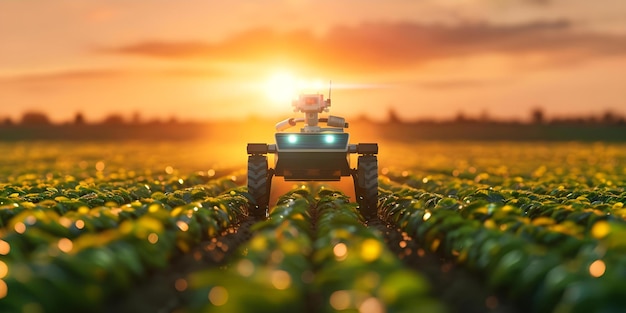
- Autonomous Tractors – These advanced machines are equipped with GPS and sensors that allow them to operate without human intervention. By automating tasks such as planting and tilling, they significantly reduce labor costs and optimize fuel efficiency, thereby enhancing overall productivity.
- Drone Technology – Drones are revolutionizing precision agriculture. Farmers can use aerial mapping and monitoring to assess the health of their crops, identifying issues such as pests or nutrient deficiencies early on. This level of precision means more targeted interventions and less waste of resources.
- AI-Powered Analytics – Leveraging massive datasets, AI algorithms can analyze weather patterns, soil quality, and crop health to make predictions about yield outcomes. This predictive capacity enables farmers to make informed decisions about planting schedules and resource allocation, which can substantially improve crop yields.
- Robotic Harvesters – As labor shortages become a pressing issue, robotic harvesters come to the rescue by minimizing harvesting time. These machines can work tirelessly, ensuring that crops are harvested at the optimal time, thereby reducing waste and maximizing profits.
Benefits of Integration
The confluence of robotics and AI in agriculture offers a wealth of benefits that extend beyond mere productivity. Here’s a closer look:
- Increased Efficiency – Automation streamlines farming processes, enabling farmers to achieve faster outputs while also freeing up time for more strategic tasks. This heightened efficiency is essential in a market that demands quick turnaround times.
- Enhanced Crop Health – Continuous monitoring facilitated by AI technologies allows for timely interventions. With the ability to track crop health in real-time, farmers can reduce losses and improve overall yield quality.
- Sustainability – The smart application of technology can lead to significant reductions in water usage and pesticide application. By utilizing precise data analytics, farmers can apply resources more judiciously, ultimately leading to a more sustainable future for agriculture.
As these technologies evolve, farmers in the United States and beyond are presented with unprecedented opportunities to adapt and thrive amid an ever-changing landscape. This ongoing transformation is one worth watching, as it holds the potential not only to secure food production for the growing global population but also to create a more sustainable and efficient agricultural framework. The future of agriculture is here, and it is infused with innovation and possibility.
DISCOVER MORE: Click here to uncover insights
Unlocking New Possibilities in Farming
The fusion of robotics and artificial intelligence (AI) is not only transforming agricultural practices; it is also unlocking new possibilities for farmers to maximize productivity and sustainability. As various technologies continue to emerge, understanding their impact on food production becomes essential for stakeholders across the industry. In pursuing efficiency and addressing the challenges faced by today’s farmers, the role of these advanced technologies is becoming increasingly prominent.
The Role of Data-Driven Decisions
AI is revolutionizing agriculture by enabling farmers to make data-driven decisions. By harnessing extensive datasets, farmers can now utilize predictive analytics to forecast crop performance, evaluate soil health, and determine the best times for planting and harvesting. The incorporation of sensors and IoT devices gives farmers real-time access to vital information about their fields and crops. Here are some critical aspects of how data plays a role in this transformation:
- Precision Agriculture – The use of AI-driven technologies helps target interventions at the micro level. Farmers can apply water, fertilizers, and pesticides only where they are needed, thereby reducing waste and enhancing resource efficiency.
- Yield Prediction Models – Advanced algorithms can process historical data and real-time observations to predict crop yields. This predictive capability allows farmers to prepare for market demand and optimize their production strategies accordingly.
- Plant Health Monitoring – AI systems are capable of analyzing multispectral images collected from drones and satellites to identify plant stress and disease at an early stage. This early intervention can lead to improved crop resilience and a reduction in overall crop losses.
Enhancing Labor Productivity
The agricultural workforce faces challenges such as labor shortages and rising labor costs. Robotics is emerging as a viable solution to these issues, enhancing labor productivity and allowing farmers to concentrate on high-level decision-making. The following robotic innovations are making waves in the sector:
- Automated Seeding Systems – These machines can precisely plant seeds at optimal depths and intervals, ensuring better germination rates and increasing the overall efficiency of planting activities.
- Weed Control Robots – Equipped with intelligent sensors, these robots can identify and eliminate weeds without harming the crops, significantly reducing the need for herbicides.
- Smart Milking Systems – In dairy farming, automated milking systems monitor cow health and optimize milking times. This innovation enhances productivity while ensuring animal welfare.
The integration of robotics and AI into agriculture not only increases output but also allows farmers to adopt more sustainable practices. By reducing reliance on chemical inputs, optimizing labor, and enhancing crop monitoring, farmers can cultivate a more sustainable path forward. As the landscape continues to evolve, staying abreast of these technological advancements will be crucial for anyone invested in the future of food production.
| Category | Benefits |
|---|---|
| Precision Agriculture | Enhanced crop yields through targeted irrigation and fertilization, reducing waste and increasing efficiency. |
| Automated Machinery | Labor cost reduction and improved productivity with the use of drones and autonomous tractors, enabling larger areas to be farmed seamlessly. |
| Data Analytics | Informed decision-making based on real-time data, forecasting weather patterns, and soil conditions for optimal planting schedules. |
| Sustainability Practices | Eco-friendly farming leading to lower chemical usage and higher biodiversity, thus ensuring healthier ecosystems for future generations. |
The integration of robotics and AI in agriculture not only enhances productivity but also lays the groundwork for a sustainable future in food production. With the rise of precision agriculture, farmers can now utilize advanced technologies to monitor crop health and optimize resource usage, leading to impressive improvements in yield. Furthermore, the adoption of automated machinery dramatically decreases labor costs while enabling efficient management of large swathes of land.By harnessing data analytics, agricultural practitioners can make informed decisions, understanding critical factors that affect crop success, such as climate influences and soil health. As a result, they can adjust their strategies to meet challenges promptly. Also, through sustainable practices supported by advanced technologies, there is a promising shift toward environmental responsibility, ensuring agriculture evolves to meet the demands of both consumers and the planet.
DISCOVER MORE: Click here to delve deeper
Transforming Supply Chain Efficiency
The integration of robotics and artificial intelligence (AI) in agriculture extends beyond the fields, reshaping the entire supply chain and ensuring that agricultural products reach consumers in a timely and efficient manner. The flow of data and advanced technology plays a pivotal role in enhancing not just farming practices but also transporting and distributing products to meet the ever-increasing demands of the market. Here are key areas where this technological synergy is making significant strides:
Automated Harvesting Solutions
With the growing need for efficiency during harvest time, robotic harvesters are increasingly being adopted across various crops. These machines are designed to navigate fields, identify ripe produce, and harvest fruits or vegetables with precision that surpasses human labor. For example, companies such as Harvest CROO Robotics have created strawberry-picking robots that can pick up to 8,000 pounds of strawberries per day—an enormous feat that saves time and labor costs while reducing the risk of human error.
Smart Logistics and Inventory Management
AI is also significantly enhancing the logistical side of agriculture. By utilizing machine learning algorithms, farmers and distributors can optimize their supply chains in real time. Demand forecasting tools analyze historical sales data, seasonal trends, and external factors such as climate changes, ensuring that supply aligns with consumer demand. For instance, platforms like ProducePay harness AI to forecast demand and optimize pricing for fresh produce, helping farmers maximize their revenue while minimizing waste. Automated systems can also manage inventory, predicting stock levels and triggering reorder notifications, thus preventing overstock and shortages.
Controlled Environment Agriculture
As urbanization continues to rise, the concept of Controlled Environment Agriculture (CEA) is gaining traction. This method usually involves using advanced robotics and AI for vertical farming, allowing for food production in urban settings without reliance on traditional farming landscapes. These systems use AI algorithms to monitor humidity, temperature, light, and nutrient levels in real time, ensuring optimal growth conditions for various crops. Noteworthy players in this field include AeroFarms and Bowery Farming, which rely on these technologies to produce high-quality, pesticide-free greens in densely populated areas.
Ensuring Food Safety and Quality Control
The health and safety of consumers are paramount, and AI-driven technologies play a vital role in upholding food safety standards. Advanced robotics equipped with computer vision capabilities can inspect produce for quality assurance and detect any signs of spoilage or contamination. For instance, the use of machine learning algorithms allows for the automated scanning of produce as they come off the assembly line, ensuring that only the highest quality products make it to consumers. Startups like MycoTechnology are harnessing robots to monitor the microbial quality of food, significantly reducing the risk of spoilage.
As the agriculture industry embraces technological advancements, the integration of robotics and AI facilitates not just a response to current challenges but fosters innovation that can lead to a more resilient and sustainable food production system. The capability to efficiently manage every stage of the supply chain—from planting to harvesting, logistics to quality control—stands to revolutionize the way food is produced, distributed, and consumed. In this evolving landscape, those who adopt these technologies early on will position themselves as leaders in a rapidly changing agricultural environment.
DISCOVER MORE: Click here to delve deeper
Conclusion
The integration of robotics and artificial intelligence (AI) in agriculture is not simply a technological trend; it is a transformative force reshaping how we produce and consume food. From automated harvesting to precise logistics management, these innovations are paving the way for enhanced efficiency and sustainability in food production. The concepts of Controlled Environment Agriculture (CEA) and smart inventory systems exemplify how technology can address urban challenges and resource scarcity while ensuring the delivery of fresh, safe, and high-quality products to consumers.
Moreover, the potential for AI-driven quality control and real-time monitoring offers remarkable opportunities for improving food safety—essential in today’s health-conscious market. As farmers and agribusinesses leverage these advanced technologies, they stand to gain not only operational efficiencies but also the ability to forecast market needs and manage resources more effectively.
The shift towards technology adoption presents a unique landscape of opportunities for those in the agricultural sector. Early adopters will likely emerge as leaders, driving innovation and redefining traditional practices. As we look to the future, it is clear that the ongoing integration of robotics and AI holds significant promise for creating a resilient and sustainable food system capable of meeting the demands of a growing global population. Continued investment and research in these areas will be crucial to unlocking the full potential of this technological revolution in agriculture.
Related posts:
The Impact of Robotics Integration on AI-Enhanced Autonomous Vehicles
The Revolution of Industry 4.0: How the Integration of Robotics with Artificial Intelligence is Tran...
The Role of Robotics and Artificial Intelligence Integration in Environmental Sustainability: Innova...
Ethical Challenges in Integrating Robotics and Artificial Intelligence: The Future of Work and Auton...
Integrating Robotics with AI for Disaster Response: Innovations and Challenges
Exploring the Ethical Implications of Robotics Integration in AI-Driven Healthcare

Beatriz Johnson is a seasoned AI strategist and writer with a passion for simplifying the complexities of artificial intelligence and machine learning. With over a decade of experience in the tech industry, she specializes in topics like generative AI, automation tools, and emerging AI trends. Through her work on our website, Beatriz empowers readers to make informed decisions about adopting AI technologies and stay ahead in the rapidly evolving digital landscape.