Collaborative Robotics: Synergy between Humans and Machines in the Modern Industry

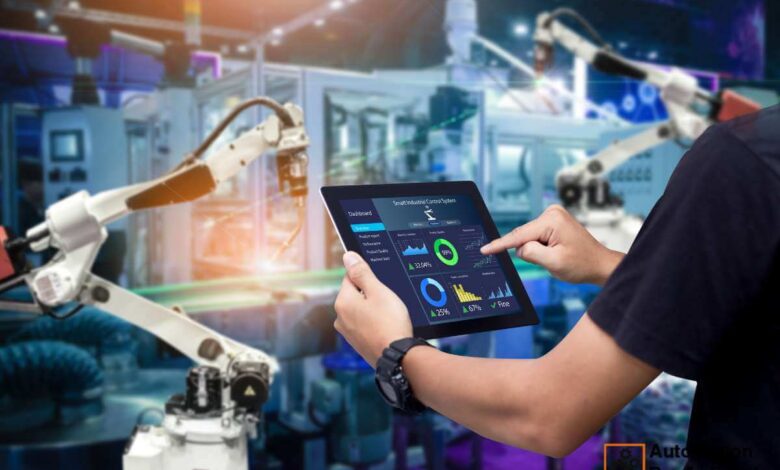
Collaborative robotics bridges the gap between human skills and machine efficiency, enhancing productivity across industries like manufacturing, healthcare, and agriculture. By integrating cobots into workflows, businesses achieve greater efficiency, improved safety, and enriched job satisfaction, revolutionizing workplace dynamics and fostering innovation in the modern industrial landscape.

Collaborative Robotics: Synergy between Humans and Machines in the Modern Industry Read Post »

Impact of Robotics and AI Integration in Agriculture: Technologies that Revolutionize Food Production

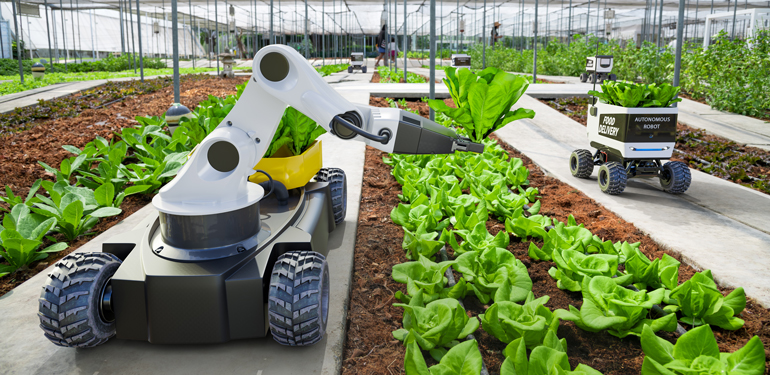
The integration of robotics and AI is revolutionizing agriculture by enhancing productivity, sustainability, and efficiency in food production. Innovations like autonomous tractors, drones, and AI analytics are enabling farmers to make data-driven decisions, optimize resources, and improve crop health, ensuring a resilient agricultural future amid growing global demands.

Impact of Robotics and AI Integration in Agriculture: Technologies that Revolutionize Food Production Read Post »

The Revolution of Industry 4.0: How the Integration of Robotics with Artificial Intelligence is Transforming Factories

The manufacturing sector is undergoing a profound transformation as Industry 4.0 advances. The integration of robotics and artificial intelligence enhances productivity, improves quality, and streamlines supply chain management. This evolution not only boosts operational efficiency but also reshapes workforce roles, necessitating new skills and continuous learning to thrive in this dynamic landscape.

The Revolution of Industry 4.0: How the Integration of Robotics with Artificial Intelligence is Transforming Factories Read Post »

The Integration of Robotics in Autonomous Transport Systems: Challenges and Opportunities

The integration of robotics in autonomous transport systems presents significant opportunities for increased efficiency, safety, and accessibility, while also facing challenges such as regulatory complexities and public skepticism. Collaboration among stakeholders is key to addressing these hurdles and unlocking the transformative potential of autonomous transportation technology.

The Integration of Robotics in Autonomous Transport Systems: Challenges and Opportunities Read Post »

Ethical Challenges in Integrating Robotics and Artificial Intelligence: The Future of Work and Autonomy

The integration of robotics and artificial intelligence raises significant ethical challenges impacting job displacement, data privacy, and human autonomy. As automation transforms industries, ensuring equitable access to technology and preserving individual rights are crucial. Engaging in collaborative discussions will guide sustainable practices, promoting both innovation and ethical responsibility in the future workplace.

Ethical Challenges in Integrating Robotics and Artificial Intelligence: The Future of Work and Autonomy Read Post »

The Evolution of Data Processing Techniques for Training Artificial Intelligence Models

The evolution of data processing techniques significantly influences the training of artificial intelligence models. As methods advance from batch to real-time processing and automated systems, AI capabilities expand, enhancing efficiency, accuracy, and scalability. Addressing ethical considerations further ensures responsible AI development, paving the way for innovative applications across industries.

The Evolution of Data Processing Techniques for Training Artificial Intelligence Models Read Post »

The Intersection of Data Processing and Artificial Intelligence in the Financial Industry

The financial industry is undergoing a transformative evolution through the integration of data processing and artificial intelligence. These technologies enhance fraud detection, improve risk management, and personalize customer experiences, setting a new standard for operational efficiency and innovation while emphasizing the importance of ethical considerations in their implementation.

The Intersection of Data Processing and Artificial Intelligence in the Financial Industry Read Post »

How Cloud Data Processing is Transforming AI Application Development

Cloud data processing is revolutionizing AI application development by providing scalable resources, cost-effectiveness, and enhanced collaboration. This transformation enables real-time data analysis, fosters innovation, and promotes agile methodologies, allowing businesses to harness vast datasets for smarter, more responsive applications while maintaining robust data security.

How Cloud Data Processing is Transforming AI Application Development Read Post »

Ethical Challenges in Data Processing for Artificial Intelligence Projects

The rapid evolution of artificial intelligence brings significant ethical challenges in data processing, particularly concerning privacy, bias, informed consent, accountability, and data ownership. Addressing these issues is vital for fostering trust and ensuring responsible AI development that prioritizes ethical standards and safeguards individual rights.

Ethical Challenges in Data Processing for Artificial Intelligence Projects Read Post »

The Role of Deep Learning Techniques in Large Scale Data Processing

Deep learning techniques are revolutionizing large-scale data processing by automating analysis, enhancing accuracy, and enabling real-time decision-making. These methodologies support various applications, including natural language processing, image recognition, and recommendation systems, empowering organizations to extract valuable insights and maintain a competitive edge in a data-driven landscape.

The Role of Deep Learning Techniques in Large Scale Data Processing Read Post »

The Role of Real-Time Data Analysis in Enhancing Artificial Intelligence Systems

Real-time data analysis plays a crucial role in enhancing artificial intelligence systems, transforming decision-making across various sectors. By enabling faster insights and predictive analytics, it improves user experience and operational efficiency, fostering innovation in areas like healthcare, finance, and smart city development.

The Role of Real-Time Data Analysis in Enhancing Artificial Intelligence Systems Read Post »

Data Visualization Techniques to Facilitate Understanding of Results in AI

Data visualization techniques are essential in interpreting complex AI results, transforming data into clear insights. By utilizing tools like infographics, heatmaps, and interactive dashboards, professionals across sectors can enhance decision-making, foster understanding, and drive strategic actions, bridging the gap between raw data and actionable intelligence in artificial intelligence.

Data Visualization Techniques to Facilitate Understanding of Results in AI Read Post »

Innovative Strategies for the Integration of Unstructured Data in Artificial Intelligence Projects

The integration of unstructured data in artificial intelligence projects offers transformative opportunities for organizations. Innovative strategies, including natural language processing, machine learning, and data visualization, enhance decision-making, operational efficiency, and customer engagement while addressing security and compliance challenges. Embracing these advancements is crucial for competitive success in the evolving AI landscape.

Innovative Strategies for the Integration of Unstructured Data in Artificial Intelligence Projects Read Post »

The Impact of Data Preprocessing on the Accuracy of Artificial Intelligence Models

Effective data preprocessing is crucial for enhancing the accuracy of artificial intelligence models. By cleaning, transforming, and integrating data, organizations can mitigate biases, eliminate noise, and improve model performance. As a foundational step, comprehensive preprocessing directly influences AI outcomes, ensuring reliable predictions across various high-stake industries.

The Impact of Data Preprocessing on the Accuracy of Artificial Intelligence Models Read Post »

The Importance of Data Quality in Processing for Machine Learning Algorithms

Data quality is crucial for effective machine learning algorithms, impacting their accuracy and decision-making. Organizations must prioritize data accuracy, completeness, consistency, and timeliness to avoid costly errors and biases. High-quality data fosters trust in AI applications, ensuring better outcomes across various sectors like healthcare and finance.

The Importance of Data Quality in Processing for Machine Learning Algorithms Read Post »

Scroll to Top
dicainvestimentos.com.br
Privacy Overview

This website uses cookies so that we can provide you with the best user experience possible. Cookie information is stored in your browser and performs functions such as recognising you when you return to our website and helping our team to understand which sections of the website you find most interesting and useful.