
Understanding Ethical Challenges in AI Data Processing
The rapid advancement of artificial intelligence has revolutionized various sectors, but it has also unearthed complex ethical challenges in data processing. As AI systems increasingly rely on vast amounts of data, the implications of how this data is acquired, processed, and utilized become critical to address.
Among the key ethical concerns, privacy issues stand out prominently. The fear of data breaches has escalated in this digital age, where sensitive information ranging from personal identification details to health records can be compromised. For instance, in a 2021 report by the Identity Theft Resource Center, over 1,100 data breaches exposed more than 22 million records in the United States alone. Such incidents highlight the dire need for robust data protection mechanisms when employing AI applications.
Another significant challenge arises from bias and discrimination. AI systems are trained on datasets that may inherently reflect societal biases. If these datasets lack diversity, the resulting AI systems can unintentionally reinforce stereotypes. A relevant example is the controversy surrounding facial recognition technology, where studies have shown that these systems misidentify people of color more frequently than white individuals. This scenario raises critical questions about the equity of AI solutions, especially in law enforcement and hiring practices.
Informed consent is another pressing ethical issue. Many users are often unaware of how their data is collected and used in AI processes. In the United States, legislation such as the California Consumer Privacy Act (CCPA) attempts to address this by giving consumers greater control over their personal information. However, the complexity of AI data processing makes it challenging for average users to grasp how their information is utilized, emphasizing the need for clearer communication from companies.
Moreover, the question of accountability in AI decision-making remains a conundrum. When AI systems make decisions—be it approving a loan or recommending medical treatments—who is liable for errors or negative outcomes? As AI takes on more decision-making roles, establishing responsibility becomes crucial. The complexity of AI algorithms can obscure accountability lines, making it vital for developers and organizations to implement transparent practices.
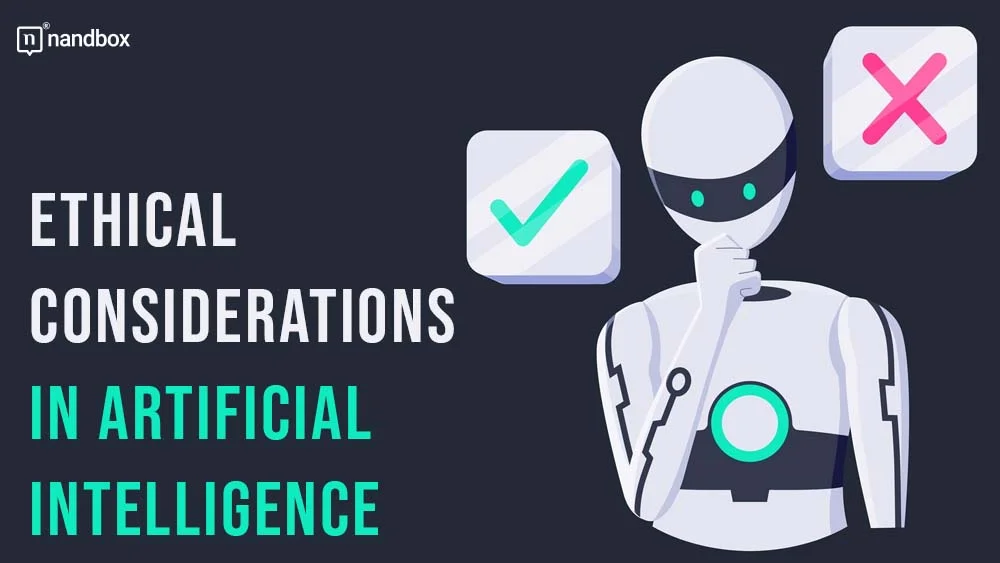
Navigating these ethical challenges requires a comprehensive understanding of both the technological frameworks and the societal implications. As industries in the United States incorporate AI into various aspects of life—from healthcare to finance—the conversation surrounding ethics in data processing is more crucial than ever. Involving interdisciplinary stakeholders—engineers, ethicists, lawmakers, and the public—in these discussions can lead to a more democratic approach to AI development.
By engaging with these issues, stakeholders can foster a more responsible approach to AI, ensuring that technology serves as a force for good rather than a catalyst for inequality or harm. The future of AI isn’t solely in the hands of its developers; it is a collective responsibility that requires vigilance and proactive engagement across all sectors of society.
DISCOVER MORE: Click here to dive deeper
Privacy Issues: The Fragile Balance Between Access and Security
In the ever-evolving landscape of artificial intelligence, privacy challenges represent one of the most pressing ethical dilemmas. The collection and processing of personal data are foundational to AI’s capabilities, yet this necessity brings significant risks. Consumers often unearth the extent of data collection only after breaches occur, leading to a general sense of unease about how their information is safeguarded.
The unfolding global privacy regulations attempt to address these concerns by creating frameworks for data protection. In the United States, various states have enacted their own legislation, such as the California Consumer Privacy Act (CCPA) and the Virginia Consumer Data Protection Act. These laws empower consumers to understand and control their information, yet navigating the myriad rules can be overwhelming. Many companies fail to comply fully with these regulations, leading to legal repercussions and eroding public trust.
Bias and Discrimination: The Dangers of Data Homogeneity
As data forms the backbone of AI systems, it is crucial to consider the representation and diversity within those datasets. When training datasets lack comprehensive representation of various demographics, the resulting AI models can manifest and perpetuate existing societal biases and discrimination. This phenomenon has far-reaching implications, particularly in critical areas such as law enforcement, hiring processes, and credit scoring.
Consider the case of AI-driven recruitment tools, which are intended to streamline the hiring process. If such algorithms are fed predominantly male-sourced data, they may inadvertently favor male candidates over equally qualified female candidates. The Harvard Business Review reported that companies leveraging AI in recruitment need to rigorously audit their algorithms for bias to mitigate such adverse outcomes.
Informed Consent: Navigating the Complexity of Data Usage
Another ethical challenge in AI data processing revolves around the concept of informed consent. Users frequently provide their data without a clear understanding of how it will be utilized. Websites and applications often present lengthy and complex terms of service agreements, leaving users with little real insight into data practices. This obscurity raises ethical questions about whether true consent can be achieved.
Moreover, the nuances of AI technology complicate the communication of data usage. Companies must prioritize transparent practices, ensuring that users comprehend how their data will be processed and for what purposes. A more straightforward communication strategy can not only enhance user trust but also contribute to a more ethically grounded approach to AI data processing.
Key Areas of Concern in AI Data Ethics:
- Privacy issues: Data breaches and the need for robust security measures
- Bias and discrimination: The impact of dataset homogeneity on AI decision-making
- Informed consent: The complexities of user understanding in data usage
Addressing these ethical challenges is not only essential for the responsible development of AI technologies but also vital for fostering public trust and confidence. Understanding these dynamics can empower developers and organizations to create AI systems that are not only innovative but also aligned with ethical standards and democratic values.
| Challenges | Implications |
|---|---|
| Data Privacy | Risk of unauthorized access to sensitive information. |
| Bias in Algorithms | Reinforcement of societal biases can lead to unfair outcomes. |
| Transparency Issues | Difficulty in understanding how decisions are made by AI systems. |
| Accountability | Challenges in determining responsibility when AI fails. |
The realm of AI is vibrant and expansive, yet it is tangled with intricate ethical considerations. One significant challenge is data privacy, where the potential for unauthorized access to personal information raises alarming concerns. It is imperative to safeguard user data to maintain trust and compliance with regulations. Moreover, bias in algorithms is a growing issue as artificial intelligence systems often reflect societal biases present in their training data. This not only leads to inequality but also perpetuates discriminatory practices, demanding stringent oversight to ensure fairness. Additionally, there are considerable transparency issues; stakeholders frequently struggle to understand the decision-making processes within complex AI systems. This lack of clarity can lead to skepticism about AI outcomes. Lastly, accountability surfaces as a vital concern: when AI fails or causes harm, determining who is responsible—a developer, company, or AI itself—remains ambiguous, necessitating a more structured framework for ethical AI implementation. Exploring these issues can unveil a multitude of paths toward a more principled approach in AI development.
DISCOVER MORE: Click here to learn more
Accountability and Transparency: The Need for Responsible AI Implementation
In the context of artificial intelligence, accountability and transparency have emerged as fundamental ethical challenges. The increasing complexity of AI systems, particularly those utilizing machine learning algorithms, makes it difficult to trace decision-making processes. This lack of clarity can lead to a culture of unchecked authority where developers and organizations may not hold themselves responsible for the repercussions of their AI solutions.
A notable incident involving an AI algorithm occurred in 2018, when a facial recognition system used by law enforcement misidentified a number of individuals, leading to wrongful arrests. Critics argued that the algorithm’s developers should have ensured a level of accuracy and fairness by conducting thorough audits. This raised the question: Who is responsible when an AI system fails? Establishing accountability is crucial to maintaining ethical standards and advocating for responsible innovation.
Data Ownership: Navigating the Complicated Landscape of Intellectual Property
The question of who owns the data collected is a critical ethical issue in the realm of artificial intelligence. As AI systems increasingly rely on vast datasets for training, the intellectual property rights associated with these datasets become muddied. Individuals often relinquish ownership of their data when they consent to terms of service but remain unaware of the potential exploitation of that data.
Companies such as Google and Facebook profit immensely from user data, essentially transforming personal information into a commodity. This has led to public calls for better data sovereignty, advocating that individuals should regain control over their personal information, including the ability to monetize it if desired. Legislators are beginning to recognize the importance of this issue, as evidenced by proposals for laws that would clarify data ownership rights and enforce greater transparency in data usage.
AI Autonomy: The Ethical Quandaries of Decision-Making Machines
The rise of autonomous AI systems has introduced ethical quandaries surrounding their decision-making capabilities. As AI technologies become more advanced, they begin to operate independently, sometimes making choices that can significantly impact human lives. This trend is particularly evident in the development of self-driving cars, which must make rapid ethical decisions in response to unpredictable traffic conditions. Should a self-driving car prioritize the safety of its passengers over pedestrians in an unavoidable accident? Such dilemmas highlight the need for an ethical framework that guides AI’s operational principles.
The integration of AI into sensitive domains such as healthcare further amplifies concerns regarding machine autonomy. AI-driven diagnostic tools can suggest treatments or even recommend prescriptions, which raises questions about accountability. If an AI algorithm recommends a harmful medication, who is ultimately responsible—the healthcare provider, the software developer, or the data scientists behind the algorithm? Establishing transparent guidelines and ethical considerations for AI-driven systems is essential to mitigate risks and ensure that human oversight remains integral to the decision-making process.
Key Areas of Concern in AI Data Ethics:
- Accountability and transparency: The necessity for clear responsibility and oversight in AI algorithms
- Data ownership: The complexities of intellectual property rights surrounding user data
- AI autonomy: The ethical implications of independent decision-making in AI systems
Addressing these challenges not only aids in refining the ethical landscape of AI projects but also fosters a climate of trust among users and stakeholders alike. The adoption of well-defined ethical standards can inspire organizations to innovate responsibly, thereby promoting the growth and acceptance of artificial intelligence technologies in society.
DON’T MISS: Click here for more insights
Conclusion: Navigating the Ethical Landscape of AI Data Processing
The rapid advancement of artificial intelligence has undeniably transformed numerous sectors, from healthcare to transportation. However, this progress brings an array of ethical challenges that cannot be overlooked. As highlighted, issues surrounding accountability, transparency, data ownership, and AI autonomy are at the forefront of discussions on ethical data processing. These complexities require a multifaceted approach that not only addresses current pitfalls but also anticipates future dilemmas.
To foster a culture of ethical AI, organizations must prioritize developing robust frameworks that promote transparency in their decision-making processes, ensuring that users understand how their data is utilized. Furthermore, advocating for stricter data ownership laws can empower individuals to reclaim agency over their personal information, allowing them to navigate the digital landscape with greater confidence. Meanwhile, in dealing with AI autonomy, establishing guidelines that incorporate ethical considerations into algorithmic design is imperative to ensure that human lives remain paramount in decision-making processes.
Ultimately, regardless of technological advancements, the principles of ethics should serve as the backbone for all AI initiatives. By embedding ethical standards into AI data processing practices, companies can build trust among users and stakeholders, thereby paving the way for responsible innovation. As we continue to integrate AI into our society, it is essential to remain vigilant, informed, and engaged, fostering discussions that lead to more fair and ethical outcomes. The future of AI is not solely about technological triumph but also about ensuring that our values shape the trajectory of artificial intelligence.
Related posts:
The Impact of Real-Time Processing on Decision Making in AI
The Role of Data Preprocessing in the Effectiveness of Machine Learning Models
How Cloud Data Processing is Transforming AI Application Development
Data Visualization Techniques to Facilitate Understanding of Results in AI
Innovative Strategies for the Integration of Unstructured Data in Artificial Intelligence Projects
Advanced Data Processing Techniques to Improve Accuracy in AI Systems

Beatriz Johnson is a seasoned AI strategist and writer with a passion for simplifying the complexities of artificial intelligence and machine learning. With over a decade of experience in the tech industry, she specializes in topics like generative AI, automation tools, and emerging AI trends. Through her work on our website, Beatriz empowers readers to make informed decisions about adopting AI technologies and stay ahead in the rapidly evolving digital landscape.