
What Makes Smart Homes Intelligent?
In today’s innovative landscape, the concept of a smart home is rapidly evolving, driven by the merging of robotics and AI technology. Let’s explore the integral elements that contribute to the intelligence of these homes.
Smart Appliances: Revolutionizing Daily Tasks
Imagine a refrigerator that not only keeps your food cold but also tracks its inventory, sending alerts to your smartphone when you’re running low on essentials. Smart refrigerators like Samsung’s Family Hub can even suggest recipes based on the ingredients you have, making meal planning a breeze. Ovens equipped with smart technology allow users to preheat from their smartphones, eliminating the wait time before they start cooking.
Additionally, washing machines that learn from your use patterns can optimize cycles to save both time and energy. These devices often come with mobile applications that provide updates and allow for remote control, thus making household chores less of a burden.
Home Robots: The New Age Helpers
As robotic technology continues to advance, home robots are becoming essential companions for homeowners. Robotic vacuums, such as the Roomba, automatically navigate rooms, avoiding furniture while providing thorough cleaning without any manual effort. In fact, some models are equipped with AI algorithms that help them adapt to the layout of your home over time, improving efficiency with each cleaning cycle.
Lawn mowers, such as those by Worx, have also entered the smart home ecosystem. These automated machines can be programmed to maintain your lawn on a set schedule, leaving you with more leisure time while ensuring that your outdoor space looks pristine.
Enhanced Security: Peace of Mind at Your Fingertips
One of the most compelling aspects of smart homes is their enhanced security features. Modern security systems utilize AI-driven cameras that can distinguish between familiar faces and potential intruders. These high-tech systems not only provide real-time alerts but also send notifications directly to your smartphone, allowing you to monitor your home no matter where you are.
Integration with smart doorbells, like the Ring, further extends security. They allow homeowners to see and communicate with visitors at their doorstep remotely. With features like motion detection and night vision, these devices significantly enhance home surveillance, ensuring safety at all hours.
Energy Efficiency and Cost Savings
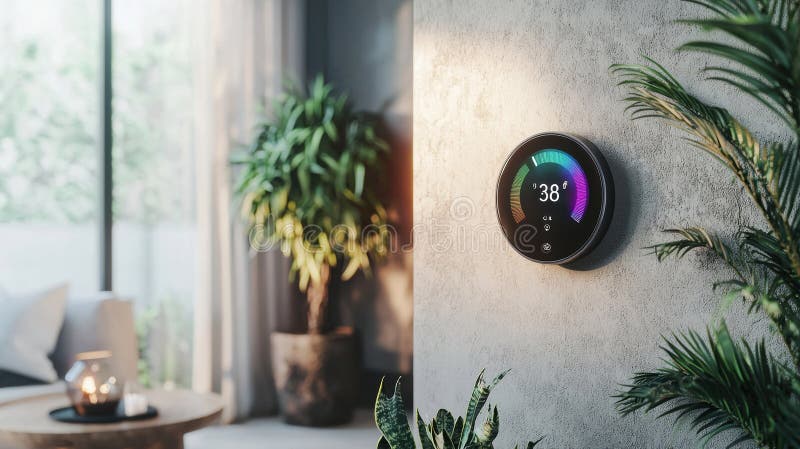
Smart homes are not just about convenience; they also promote energy efficiency, contributing to lower utility bills. Thermostats, such as the Nest Learning Thermostat, learn your schedule and adjust heating and cooling accordingly, optimizing energy consumption without sacrificing comfort. According to reports, homes that utilize smart technology can save up to 30% on energy costs.
As homeowners become increasingly aware of their carbon footprints, the integration of smart technology that operates with energy-saving principles will only grow in popularity. The convenience allows users to adopt greener practices easily while enjoying modern comforts.
Future Implications and Opportunities
The smart home market is projected to reach a staggering $79 billion in U.S. spending by 2025, opening doors to innovation and competition among tech companies. With ongoing advancements, we can expect more integrated systems that enhance user control and machine learning capabilities.
The intrigue lies in the increasing level of interaction consumers can enjoy within their home environments. As these systems continue to integrate more seamlessly, the overall quality of life for many individuals could improve, making daily routines more enjoyable and less stressful.
In summary, the integration of robotics and AI technology in smart homes signifies a transformative shift in how we perceive and interact with our living spaces. With greater automation and enhanced convenience at our fingertips, the future of home living is not just about having a house; it’s about having a responsive environment that understands and meets our needs.
DISCOVER MORE: Click here to dive deeper
The Fusion of Robotics and AI in Home Automation
The integration of robotics and AI technology signifies a new era for smart homes, where living spaces evolve into intelligent ecosystems. Home automation has transcended traditional settings, leading to an unprecedented level of convenience, efficiency, and safety that appeals to modern homeowners. As more households adopt interconnected devices, it becomes essential to understand how this fusion is reshaping our day-to-day lives.
Automated Home Management: A Seamless Experience
At the core of smart homes is the ability for devices to communicate and collaborate. Through voice-activated assistants like Amazon’s Alexa or Google Assistant, homeowners can control various systems in their homes using simple commands. Imagine adjusting the lights, temperature, or even starting a robotic vacuum, all while lounging on your couch. These automation systems allow for a cohesive environment where tasks can be managed effortlessly.
Moreover, devices like smart speakers and hubs act as command centers, providing a centralized interface for all connected devices. This not only streamlines daily tasks but also enhances the user experience by offering customized routines tailored to individual preferences. As these systems learn from user behavior, they become increasingly efficient, adapting to your lifestyle seamlessly.
Assistance without Boundaries: Robotics in Daily Life
The application of robotics in smart homes extends far beyond mere convenience. Advanced robotic systems are now incorporated into elderly care and assistance for individuals with disabilities. For instance, devices such as robotic arms can assist individuals with limited mobility, while AI-enabled personal assistants can help manage medications or remind users of important events, promoting independent living.
Key features of these robotic assistants include:
- Voice Recognition: Enabling hands-free interactions.
- Customization: Tailoring settings based on individual needs.
- Mobility: Navigating various home environments to provide assistance.
Furthermore, advancements in machine learning are enhancing the adaptability of these robots. They are now capable of learning user habits over time, which allows them to offer personalized recommendations, further easing the burden of everyday responsibilities.
Connected Systems: The Backbone of Smart Living
For smart homes to function effectively, a robust network of interconnected systems is indispensable. The integration of IoT technology allows devices to communicate with one another, sharing data and insights to optimize performance. For example, a smart thermostat can analyze data from weather forecasts and adjust heating or cooling accordingly, ensuring comfort while minimizing energy usage.
This connectivity fosters a more responsive living environment, where homeowners can manage their living spaces through a single interface, whether at home or on the go. The implications for energy savings, convenience, and security are enormous, making smart homes not just desirable but smart investments for the future.
In conclusion, the integration of robotics and AI technology in smart homes is driving a radical transformation in how we interact with our living spaces. The combination of automated home management, assistance through robotics, and the backbone of interconnected systems contributes to enhanced quality of life, offering myriad benefits and opportunities for innovation. As we delve deeper into this fascinating subject, it becomes clear that the future of home living is not just about convenience, but about creating environments that truly understand and respond to our evolving needs.
Enhancing Home Security through Robotics and AI
As we dive deeper into the transformative world of smart homes, it’s essential to highlight the role of robotics integration coupled with AI technology in enhancing home security. Homeowners are increasingly embracing automated security systems that utilize robots and AI algorithms to monitor their properties effectively.
Modern security robots equipped with sensors and cameras can autonomously patrol residential areas, detecting unusual activities and alerting homeowners via mobile applications. These robots can communicate with other smart devices in the home, such as lights and alarms, to create a comprehensive security network. Imagine receiving a notification on your phone when your robot detects a potential intruder at your doorstep, enabling you to respond swiftly.
Energy Management and Automation
Another significant advancement in the realm of smart homes is energy management through robotics and AI technology. Intelligent systems can learn user behaviors and optimize energy consumption, which results in lower utility bills and a reduced carbon footprint. Automated blinds, lighting, and climate control systems can adjust automatically to optimize natural light and temperature based on occupancy.
Assistive Robots for Everyday Tasks
Furthermore, assistive robots are becoming vital companions in smart homes, particularly for the elderly or those with mobility challenges. These robots can aid in daily chores, such as cleaning floors, preparing simple meals, or reminding users to take medication. By integrating robotics into their daily lives, users not only experience a higher quality of living but also enjoy increased independence.
Table: Advantages of Robotics in Smart Homes
| Category | Benefits |
|---|---|
| Enhanced Security | Robots patrol and monitor homes, providing real-time alerts and a sense of safety. |
| Energy Efficiency | Automated systems reduce consumption by optimizing energy needs based on usage patterns. |
DON’T MISS OUT: Click here to discover more
Enhanced Security and Monitoring in Smart Homes
The integration of robotics and AI technology is also revolutionizing home security, providing homeowners with peace of mind. Security systems equipped with advanced robotics offer a degree of protection that traditional methods simply cannot match. Robotic security cameras are now capable of facial recognition, distinguishing between familiar faces and potential intruders. This technology not only reduces the number of false alarms but also enhances the overall safety of the household. Additionally, AI algorithms can analyze footage in real-time, alerting homeowners to unusual activities immediately.
Smart Surveillance: Keeping a Watchful Eye
Robotics and AI have significantly advanced the capabilities of surveillance systems. Modern robotic cameras can pivot, tilt, and zoom autonomously, ensuring that all angles of a property are covered. Homeowners can monitor their properties remotely through mobile applications, receiving instant notifications when motion is detected. This fusion of robotics with existing security systems lays the groundwork for a more proactive approach to securing homes.
Some notable features of these advanced surveillance technologies include:
- Real-time Alerts: Instant notifications sent to your smartphone when suspicious activity is detected.
- Two-way Communication: Homeowners can communicate through the cameras, allowing for immediate responses to visitors or delivery personnel.
- Night Vision: Enhanced visibility during low-light conditions, ensuring that security does not falter after dark.
Robotic Patrols: The Future of Home Security
The rise of robotic patrols is another prominent development in smart home security. These autonomous robots can navigate both the interior and exterior of a home, providing a physical presence that deters unauthorized access. Equipped with sensors and cameras, these patrols can gather data and report back to the homeowner or security teams in real-time.
Furthermore, as these robots are embedded with AI, they continuously learn from their environment. This allows them to identify patterns, such as the regular comings and goings of residents, which they can use to distinguish between normal activity and potential threats. In the United States, residential areas are increasingly investing in robotic patrol technologies, blending traditional surveillance methods with cutting-edge innovations.
The Health and Wellness Factor: Monitoring for Safety
In the context of health and wellness, robotics integration powered by AI technology provides critical support for elderly residents and those with health concerns. Robotic assistants can manage medication schedules, reminding users when it’s time to take specific prescriptions, and even notify caregivers of any missed doses. For homes equipped with health-related sensors, these systems can monitor vital signs and alert users or healthcare professionals if abnormalities are detected.
Additionally, smart home technologies that integrate with wearables contribute to a more holistic approach to overall health management. Devices such as fitness trackers can interact with home systems to suggest adjustments in lighting or temperature based on the user’s activity levels or time of day, promoting a healthier lifestyle.
Energy Management and Sustainability: A Greener Tomorrow
The emergence of robotics in smart homes is also fostering sustainability. AI-driven insights allow homeowners to optimize energy consumption based on usage patterns. Robotic systems can programmatically adjust settings, such as heating and cooling or even appliance usage, to minimize waste. Some high-tech smart homes feature solar panels connected to a central AI that determines the optimal times for energy consumption based on current availability and household needs.
By reducing energy consumption through intelligent management systems, homes not only lower utility costs but also contribute positively to environmental sustainability. These innovations reflect a growing awareness of ecological responsibility, echoing a lifestyle shift toward more sustainable living solutions across the United States.
DISCOVER MORE: Click here for additional insights
Conclusion: The Future of Living in Smart Homes
The integration of robotics and AI technology is undeniably transforming the way we conceive our living spaces. As we’ve explored, advancements in security, health monitoring, energy management, and overall automation reflect a pivotal shift towards smarter and safer homes. With features such as autonomous robotic patrols monitoring our properties and intelligent systems managing our energy consumption, modern homes are becoming more than just structures; they are evolving into responsive environments that cater to our individual needs.
The implications of these innovations extend beyond personal convenience. As smart homes embrace sustainability through advanced energy management, they contribute significantly to ecological responsibility, a growing concern in the USA today. Homeowners can not only save on utility bills but also play a part in reducing their carbon footprint, aligning everyday living with the principles of sustainability.
Certainly, the prospect of smart homes equipped with AI-driven robotics heralds new opportunities for enhancing health and wellness, especially for the elderly and individuals with health concerns. The ability to monitor vital signs and schedule medication automatically illustrates a future where technology supports our well-being seamlessly.
As we stand on the brink of a new era in home automation, the question remains—how will we adapt to these changes? The continued evolution and acceptance of robotics in our homes could redefine family dynamics, personal security, and the very concept of community living. As consumers, we are urged to engage with these technologies responsibly, ensuring they not only enhance our lives but do so ethically and sustainably. The journey into the future of smart homes powered by robotics and AI unfolds; it’s a journey worth embracing.
Related posts:
The Intersection of Robotics Integration and AI in Environmental Conservation Efforts
Integrating Robotics with AI for Disaster Response: Innovations and Challenges
Exploring the Ethical Implications of Robotics Integration in AI-Driven Healthcare
The Role of Robotics Integration in Enhancing AI-Powered Manufacturing Processes
Collaborative Robotics: Synergy between Humans and Machines in the Modern Industry
Leveraging Robotics Integration for AI-Enhanced Space Exploration Missions

Beatriz Johnson is a seasoned AI strategist and writer with a passion for simplifying the complexities of artificial intelligence and machine learning. With over a decade of experience in the tech industry, she specializes in topics like generative AI, automation tools, and emerging AI trends. Through her work on our website, Beatriz empowers readers to make informed decisions about adopting AI technologies and stay ahead in the rapidly evolving digital landscape.