
Understanding Cybersecurity Concerns in Autonomous Robotics
The widespread adoption of robotics and artificial intelligence (AI) has transformed various industries, creating enormous efficiencies and new capabilities. However, this technological evolution has also introduced significant cybersecurity challenges. As robots become increasingly autonomous and interconnected, they are exposed to a variety of cyber threats that could exploit their vulnerabilities. The consequences of such breaches can range from damaging data exposure to causing real-world accidents.
Threats Posed by Autonomous Vehicles
Consider the case of autonomous vehicles, such as self-driving cars, which utilize complex algorithms and numerous sensors to navigate safely. A successful cybersecurity breach in this domain could have catastrophic results. For example, hackers could manipulate the vehicle’s navigation system, potentially leading to accidents, traffic chaos, or even hijackings. In 2015, cybersecurity researchers demonstrated this potential by remotely hacking into a Jeep Cherokee, taking control of critical functions like steering and braking while it was driving on a highway. Such incidents underline the urgent need for robust cybersecurity measures in this rapidly evolving sector.
Industrial Robots and Their Vulnerabilities
Industrial robots are vital to the manufacturing sector, where their precision and reliability drive efficiency. However, these robots also face threats from cyberattacks. Cybercriminals could infiltrate a factory’s systems and disrupt robotic operations, resulting in massive financial losses and production delays. For instance, the 2017 NotPetya attack significantly impacted global shipping and manufacturing operations, showcasing how a cyber incident can ripple through various industries. Ensuring the cybersecurity of industrial robots is thus essential for maintaining operational integrity and economic stability.
Securing Healthcare Robotics
In the healthcare sector, robotic surgical systems, such as the da Vinci Surgical System, exemplify the intersection of technology and human well-being. These systems require strict cybersecurity measures to protect sensitive patient data and ensure the safety of surgical procedures. Any breach could compromise not just patient privacy but also the functionality of equipment during critical operations. For example, a cyberattack could potentially manipulate the robotic surgery controls, jeopardizing patient outcomes and raising profound ethical concerns.
Innovative Solutions in AI Cybersecurity
As threats to robotic systems grow, so too do the efforts to secure them. The landscape of AI cybersecurity is evolving, and researchers are actively working on innovative solutions to bolster the defenses of these technologies. Key areas of focus include:
- Developing more robust encryption methods to protect data integrity and confidentiality during transmission.
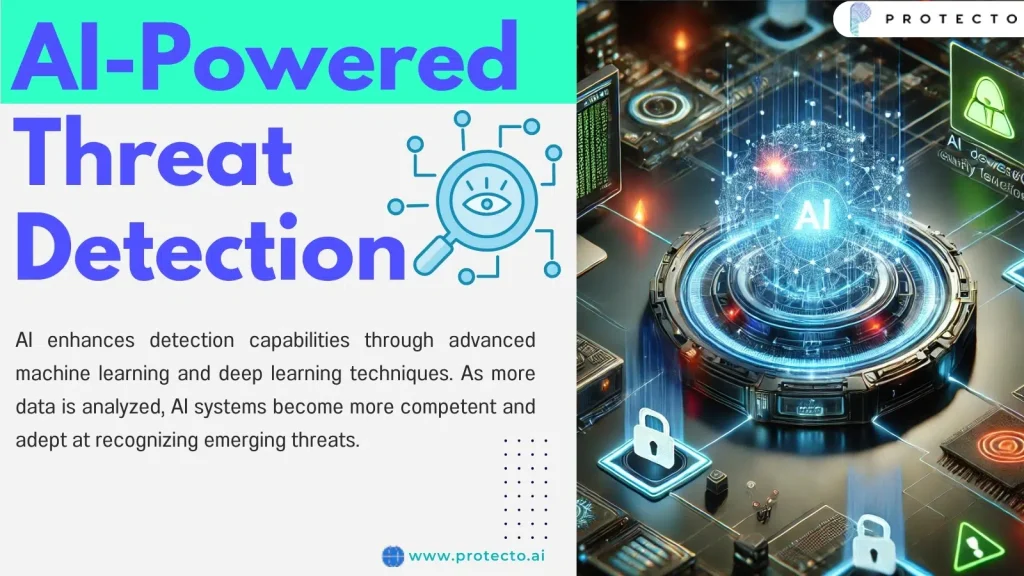
- Implementing real-time threat detection systems that can identify and mitigate cyber threats before they escalate into major incidents.
- Creating secure communication protocols to ensure safe data exchanges between robots and their controlling systems, shielding them from potential interception.
As we venture deeper into the realm of autonomous robotics, understanding their vulnerabilities and the accompanying cybersecurity safeguards is crucial. The proactive measures being developed will not only shape the future of robotics but also ensure their safe integration into critical aspects of everyday life.
DISCOVER MORE: Click here to learn more
The Need for Comprehensive Cybersecurity Frameworks
As robotics continues to infiltrate various sectors—ranging from automotive to healthcare—developing a comprehensive cybersecurity framework has become crucial. This framework must address the unique threats and vulnerabilities that autonomous systems encounter, enabling organizations to stay ahead of malicious actors intent on exploiting weaknesses. By focusing on the multifaceted nature of these threats, industries can better prepare for an increasingly hostile cyber environment.
Understanding Common Cyber Threats
Cyber threats targeting robotic systems can take myriad forms, and recognizing these potential dangers is the first step toward effective mitigation. Key threats include:
- Malware Attacks: Cybercriminals may deploy malware to disrupt the functioning of robots, leading to operational failures and data loss.
- Phishing Attacks: Targeting human operators or systems administrators, phishing schemes aim to gain access to critical systems and sensitive information.
- DDoS (Distributed Denial of Service) Attacks: These attacks can overwhelm robotic systems and networks, making them inoperable and disrupting services.
- Data Breaches: Unauthorized access to sensitive data can lead to the theft of intellectual property and compromise user privacy.
The diversity of these threats necessitates a layered approach to cybersecurity, combining both technological solutions and human factors to strengthen defenses.
Developing Resilient Robotics Systems
To ensure that autonomous robots can withstand cyber threats, developers must prioritize the integration of robust security measures into the design phase. This involves:
- Security by Design: Building security features into the robotics systems from the outset can eliminate foundational vulnerabilities.
- Regular Software Updates: Continuously updating the software of robotic systems helps close security gaps created by new vulnerabilities or emerging threats.
- Conducting Penetration Testing: Regularly simulating attacks on robotic systems can uncover weaknesses and inform improvements.
- Utilizing AI for Security: Leveraging AI to detect patterns of behavior can enhance real-time threat detection capabilities, improving responsiveness to potential breaches.
Prioritizing these strategies can help create resilient robotic systems that are less susceptible to attacks and better equipped to handle unforeseen vulnerabilities.
The Role of Regulatory Standards
In the face of evolving cyber threats, the formation of regulatory standards is vital. Governments and industry stakeholders need to collaborate on establishing guidelines that promote safe practices in robotic deployments. This alignment not only serves to protect sensitive data but also fosters public trust in autonomous technologies.
The establishment of best practices and regulatory frameworks will ensure that cybersecurity remains at the forefront of technological innovation in robotics. As industries adapt to new cyber realities, the emphasis on robust cybersecurity strategies will be critical to safeguarding the future of robotics and AI systems.
| Advantage | Description |
|---|---|
| Enhanced Data Security | Implementing rigorous cybersecurity measures shields sensitive data within AI systems, preventing breaches that could lead to data theft or manipulation. |
| Operational Reliability | Securing robot systems ensures they function reliably in various environments, minimizing downtime caused by cyberattacks or system failures. |
| Regulatory Compliance | Adhering to cybersecurity regulations not only avoids legal issues but also builds consumer trust by demonstrating a commitment to protecting user data. |
| Future-Proofing Technology | Investing in cybersecurity now helps protect against evolving threats, allowing businesses to focus on the advancement of robotics without fear of being outpaced by malicious actors. |
| Improved User Confidence | When users are assured of a secure AI environment, their confidence in technology adoption increases, leading to wider acceptance and integration of robotics into daily life. |
In today’s digital landscape, the intersection of robotics and cybersecurity is more critical than ever. With the integration of AI into robots comes the responsibility to protect these systems from complex cyber threats. Each advantage listed above provides insight into how effective security measures not only safeguard technology but also enhance user experience and trust.Investing in cybersecurity measures allows businesses to establish a solid foundation that uplifts the entire robotics industry. Organizations can confidently push the boundaries of innovation, knowing they have protected their assets against vulnerabilities. Whether it’s enhancing data integrity or ensuring operational continuity, the benefits of prioritizing cybersecurity are clear and essential for future advancements in robotics.
DON’T MISS OUT: Click here for more insights
Integrating Cybersecurity Measures in Robotics Deployment
As robotics becomes increasingly embedded into the fabric of everyday life—from self-driving cars to industrial automation—the integration of cybersecurity measures during deployment is paramount. To safeguard against evolving cyber threats, robotic systems must not only incorporate security within their design but also implement strong operational protocols.
Proactive Risk Management Strategies
Adopting a proactive approach to risk management is essential for organizations involved in robotics. This entails not simply reacting to threats but actively monitoring and anticipating potential vulnerabilities. Some critical steps include:
- Threat Intelligence Sharing: Establishing partnerships between organizations to share information on new threats and vulnerabilities can significantly enhance preparedness. Initiatives within industries such as automotive and healthcare allow stakeholders to pool resources and insights.
- Vulnerability Assessment Frameworks: Implementing frameworks such as the OWASP IoT Top Ten can help identify common vulnerabilities associated with Internet of Things (IoT) devices, including robots, enabling timely remedial action.
- Incident Response Planning: Developing a structured incident response plan equips teams to manage cyber incidents swiftly and effectively, minimizing damage and recovery time.
- Employee Training Programs: Human error remains one of the leading causes of security breaches. Regular cybersecurity awareness training for employees involved with robotic systems can foster a culture of vigilance and proactive defense.
These risk management strategies, when embedded into the lifecycle of robotic systems, help cultivate resilient infrastructures that are less susceptible to disruptions.
The Importance of Secure Communication Protocols
Robots often communicate with other machines, as well as human operators, through various communication protocols. Hence, ensuring the security of these communication channels is critical. Utilizing encrypted protocols, such as TLS (Transport Layer Security), can safeguard data in transit against interception and tampering.
Additionally, employing secure network architectures, like VPNs (Virtual Private Networks), provides an extra layer of security, especially when robots operate within wider network environments. Implementing measures such as role-based access control (RBAC) ensures that only authorized personnel can access sensitive operational data, further bolstering system defenses.
Emerging Technologies as Cybersecurity Allies
As the landscape of cyber threats evolves, so too do the technologies available to combat them. Emerging technologies such as blockchain and machine learning offer innovative solutions to enhance robot security. For instance, blockchain’s decentralized nature can be utilized to create tamper-proof logs of robot operations, helping identify unauthorized alterations when they occur. Moreover, machine learning algorithms can enhance anomaly detection, recognizing unusual patterns or behaviors indicative of cyberattacks, thereby enabling faster and more effective responses.
Investing in research and development surrounding these technologies is essential for fortifying the security of robotics ecosystems. Collaborations between academic institutions, private companies, and governmental agencies can spur development and ensure the cybersecurity landscape remains robust as technology continues to advance.
Conclusion on the Imperative of a Holistic Cybersecurity Approach
With the rapid integration of robotics into everyday applications, developing a complex security ethos encompassing design, deployment, and operational consistency is vital. Engaging in proactive risk management, securing communication channels, and leveraging emerging technologies are just a few facets of a holistic approach to safeguarding these advanced systems. By fostering a culture that prioritizes security at every stage, industries can mitigate threats effectively, ensuring the safe advancement of robotics and AI systems in society.
DISCOVER MORE: Click here for further insights
Conclusion: Fortifying the Future of Robotics through Cybersecurity
In an age where robotics and artificial intelligence are becoming integral to our daily lives and industries, addressing cybersecurity challenges is not merely an option—it is a necessity. As we become increasingly reliant on these technologies, the vulnerabilities they present demand a comprehensive approach to security that encompasses all stages of development and deployment. The strategies outlined, including the implementation of proactive risk management, the establishment of secure communication protocols, and the application of innovative technologies like blockchain and machine learning, illustrate the multifaceted nature of this critical task.
Furthermore, fostering collaboration between private enterprises, academic institutions, and government bodies is essential for cultivating a resilient cybersecurity framework. Initiatives aimed at sharing threat intelligence can lead to the collective strengthening of defenses across industries, enhancing our ability to anticipate and counteract potential attacks. As robotics continues to evolve, so too must our approaches to securing these systems, adapting to the ever-changing landscape of cyber threats.
Ultimately, a robust cybersecurity posture not only protects AI systems and robotic applications from malicious actors but also builds public trust in these technologies. As stakeholders invest in cybersecurity practices and cultivate a culture of awareness, we lay the groundwork for a safer, more efficient future where robotics can thrive without fear of exploitation. The pursuit of this balance between technological advancement and security will define the trajectory of robotics in society, ensuring their integration continues to be a force for good.
Related posts:
The Role of Robotics and Artificial Intelligence Integration in Environmental Sustainability: Innova...
The Revolution of Industry 4.0: How the Integration of Robotics with Artificial Intelligence is Tran...
Collaborative Robotics: Synergy between Humans and Machines in the Modern Industry
Integration of Robots and AI in Domestic Environments: Transforming Daily Life with Automation
Impact of Robotics and AI Integration in Agriculture: Technologies that Revolutionize Food Productio...
Robotics and AI in Healthcare: The Integration of Technologies to Improve Patient Care

Beatriz Johnson is a seasoned AI strategist and writer with a passion for simplifying the complexities of artificial intelligence and machine learning. With over a decade of experience in the tech industry, she specializes in topics like generative AI, automation tools, and emerging AI trends. Through her work on our website, Beatriz empowers readers to make informed decisions about adopting AI technologies and stay ahead in the rapidly evolving digital landscape.