
Exploring New Frontiers in Creativity
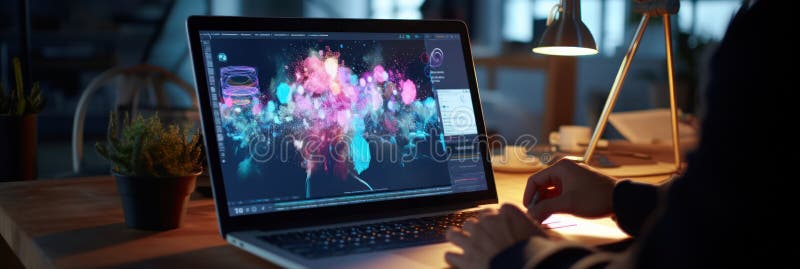
In an increasingly digital world, neural networks are transforming the landscapes of both art and music. These sophisticated algorithms, inspired by the human brain, are now capable of creating works that challenge our traditional notions of creativity. As technology advances, the boundaries between human and machine-generated artistry blur, opening up a fascinating realm of possibilities.
The Impact of Neural Networks
Neural networks can analyze vast amounts of data, learning patterns and styles from existing artists and composers. Their ability to understand and recreate various artistic elements is nothing short of revolutionary. Here are a few notable applications:
- Art Generation: Programs like DALL-E and Artbreeder produce stunning visual art, allowing users to create images based on textual descriptions or blend different styles together. These tools have gained significant popularity online, with DALL-E even sparking conversations about copyright as users explore the ethical implications of AI-generated art.
- Music Composition: AI tools like Aiva craft original scores across various genres, from classical to pop. Aiva has been employed to produce soundtracks for films and video games, proving that AI can not only assist musicians but also create music that resonates emotionally with audiences. In a way, AI can be viewed as a collaborator rather than just a tool.
- Style Transfer: Algorithms can transform photographs into the style of famous painters, such as Van Gogh or Picasso. This technique has become particularly popular on social media, where individuals share their artistic creations, often blurring the lines between original and transformed art. Users can visually experiment with their images, exploring creativity in ways that were previously unimaginable.
This revolutionary approach raises essential questions about creativity and authorship. As we delve deeper into the intersection of technology and artistic expression, a critical dialogue emerges around what it means to create in the 21st century. Is the creator the human who inputs parameters, or is it the machine that generates the result? This debate invites artists, technologists, and audiences alike to rethink the very essence of creativity.
Why It Matters
The implications of these developments extend beyond mere novelty. As artists and technologists collaborate, a richer, more diverse cultural fabric is being woven, reflecting the complexity of our digital age. This amalgamation of technology and creativity not only influences contemporary art and music but also reshapes how we perceive culture itself.
Understanding the role of neural networks in art and music enhances our appreciation of these creations, highlighting the innovative spirit of today’s artists. Furthermore, it invites us to reimagine the future of creativity as a collaborative journey—where machines assist humans in exploring the boundaries of their imagination. As we gaze into this ever-evolving landscape, it becomes clear that the integration of AI into creative practices is not a replacement, but an expansion of what we define as creativity. This ongoing dialogue could very well shape the future frameworks of artistic expression, ensuring that the conversations around art remain as dynamic as the mediums we use.
DISCOVER MORE: Click here to learn more
Innovating Traditions: Neural Networks and Their Creative Output
At the heart of the neural networks revolution in art and music lies an intricate process that mimics human creativity through advanced computational techniques. These algorithms process and interpret immense datasets—ranging from classic masterpieces to contemporary tracks—to develop a unique understanding of artistic styles and musical patterns. The emergence of AI-generated art and music composition not only showcases the potential of these technologies but also invites a deeper examination of how they fit into our established creative paradigms.
How Neural Networks Work in Creative Contexts
Neural networks operate by simulating the interconnected neuron structure of the human brain to recognize patterns and make decisions. In artistic applications, they analyze various features within artworks or compositions and use this information to generate new, original pieces. The process, known as deep learning, involves several layers of neurons that work collectively to refine outputs. This can be illustrated in the following ways:
- Data Training: Neural networks require substantial training data, collected from a wide range of artists or musical genres. For visual art, thousands of paintings can serve as input data, teaching the AI to recognize styles such as cubism or surrealism. In music, a variety of song structures helps the AI identify rhythms, melodies, and harmonies.
- Generative Models: Once trained, neural networks can produce entirely new art or music through generative models like GANs (Generative Adversarial Networks). These models consist of two segments: a generator, which creates new data, and a discriminator, which evaluates its authenticity. This iterative process leads to increasingly sophisticated creations that often surpass mere mimicry.
- Interactivity and Customization: Many neural network applications allow users to input their preferences, enhancing interactivity. For instance, a user might choose a color palette or specify a mood when generating art, resulting in personalized outputs. In music, this could involve selecting specific instruments or genres to curate a unique composition that resonates with individual tastes.
The outcomes of these processes can be both awe-inspiring and controversial. As neural networks begin to generate compositions that can evoke genuine emotional responses, questions about authenticity and originality arise. Are these creations genuinely reflective of human experience, or are they merely reflections of accumulated data? This inquiry does not only resonate within artistic circles but extends to discussions surrounding intellectual property rights, leading to significant debates on the legalities of AI-generated art.
The transformative effects of these technologies also contribute to the phenomenon known as collaborative creativity. Artists and musicians are beginning to embrace these tools as partners in the creative process rather than mere instruments or competitors. This shift fosters an environment where individuals can explore new creative territories, expanding their own capabilities while allowing neural networks to push the envelope even further in the artistic landscape.
As we continue to observe and analyze the role of neural networks in the realms of art and music, it becomes clear that they are not merely a futuristic trend but rather a powerful innovation that is reshaping the very fabric of artistic expression in the 21st century.
Neural networks have become pivotal in reshaping the landscape of art and music generation, offering novel methods that were previously unimaginable. One of the most significant attributes of neural networks is their ability to learn from vast datasets. By analyzing existing artworks and musical compositions, these systems can identify patterns and styles, allowing them to generate new creations that echo those influences while adding unique twists. This process can expand creative possibilities and inspire artists and musicians to explore uncharted territories.Another essential aspect is the concept of style transfer. Neural networks can take an existing image or piece of music and reinterpret it through the lens of a different style. For example, an artwork painted in the style of Van Gogh can be reimagined in a modern abstract style, or a classical music piece could be transformed into a jazz rendition. This flexibility not only showcases the adaptability of AI tools but also allows for collaborative efforts between human creativity and machine intelligence. Artists can leverage these technologies to enhance their projects, bypass creative blocks, and discover new techniques.Moreover, neural networks facilitate real-time interaction, where users can influence the output by providing inputs during the creation process. This engagement fosters a dynamic relationship between the artist and technology, transforming the traditional notion of creation into an interactive experience. As neural networks continue to evolve, the fusion of technology with art and music is poised to redefine our understanding of creativity itself, inviting everyone to participate in a renaissance of innovation. In essence, the role of neural networks in generating art and music signifies a profound shift in how these traditional forms are conceived and experienced, and it beckons an era that could unveil unforeseen artistic expressions.
| Category of Benefits | Key Features |
|---|---|
| Creative Expansion | Neural networks analyze vast datasets to identify styles and generate new artworks and compositions. |
| Interactive Experience | Users can provide inputs that influence the output, fostering a dynamic relationship between artist and AI. |
DISCOVER MORE: Click here to learn more
Challenging the Norm: The Impact of Neural Networks on Creative Authenticity
The advent of neural networks in the artistic domain introduces not only innovation but also nuanced conversations about the nature of creativity itself. As AI-generated works gain traction, discussions around what constitutes authenticity in art and music are more critical than ever. Creative authenticity, typically defined by the emotional connection and unique perspective of the artist, is being re-defined in the context of technology that can create works inspired by but fundamentally separate from human touch.
The Emergence of AI Artists
Increasingly, AI artists are being recognized and even celebrated within galleries and concert venues. Noteworthy examples include the artwork generated by the AI program Obvious, which created the portrait “Edmond de Belamy” that famously sold at auction for $432,500. Similarly, AI-composed music has gained a following—Spotify is home to playlists comprising tracks generated by programs like OpenAI’s Jukedeck and AIVA that mimic various genres and styles. This phenomenon raises questions: Does the artistic value of these creations come from the technology itself or the reaction it elicits from the audience?
Bridging the Gap Between Human and Machine
Moreover, the collaboration between human creators and neural networks challenges the traditional hierarchy of artistic influence. For example, musicians such as David Cope have used AI tools to enrich their compositions, allowing them to venture into unexplored soundscapes. In visual art, creators like Refik Anadol have employed neural networks to produce immersive installations that transcend the limits of human creativity. These collaborations suggest a new model of creativity—one in which the intricate human experience and machine efficiency harmoniously coexist, blurring the lines between human and machine-made art.
Ethical Implications of AI in Creativity
With the rise of neural networks, ethical considerations have also surfaced. The ability of AI to assimilate vast databases of existing works raises concerns about plagiarism and the appropriation of styles without consent. As technologies like StyleGAN become capable of generating hyper-realistic images, the question of copyright infringement looms large. How do we protect original artists while allowing the free flow of inspiration between human and machine? These debates are ongoing but highlight a crucial intersection where artistry meets technology.
The Role of Neural Networks in Cultural Evolution
As creativity evolves through technological advancement, neural networks serve not only as tools of generation but also as instruments of reflection. They push societal norms, inviting us to consider what art means in a world increasingly influenced by AI. The blending of human creativity with neural network capabilities holds potential for cultural evolution, influencing trends, styles, and even the emotional responses elicited from audiences. It opens the door for dialogues around the ownership and future of creative expression in the 21st century, transforming our understanding of art and music in an ever-connected digital age.
DISCOVER MORE: Click here for insights
Reimagining Creativity: The Future of Neural Networks in Art and Music
The integration of neural networks into the creative arts is not merely a technological advancement; it represents a profound transformation in how we perceive and interact with art and music. As AI-generated creations blur the lines of authorship and originality, they provoke essential dialogues about the meaning and value of creativity in the modern age. The emergence of AI artists and collaborative projects exemplifies a shift away from traditional artistic paradigms toward a future where human ingenuity and machine capabilities coalesce to create entirely new forms of expression.
Moreover, the ethical concerns surrounding copyright and plagiarism warrant serious attention as the creativity of machines complements that of humans. It compels us to consider frameworks that protect artists while fostering innovation. While the technology enhances artistic potential, it simultaneously challenges us to rethink the boundaries of artistic expression and the consequences of its democratization.
Ultimately, as we navigate this evolving landscape, it is crucial for artists, audiences, and society at large to engage in ongoing discourse around the implications of AI in art and music. By embracing these discussions, we can cultivate a more inclusive and reflective understanding of creativity that acknowledges both human emotion and technological precision. The potential for neural networks to redefine the future of art and music is vast, and as we stand at this intersection, it invites us to envision a world where creativity knows no bounds.
Related posts:
Neural Networks and the Future of Personalized Medicine
Convolutional Neural Networks: Transforming Computer Vision
The Evolution of Neural Networks: From Perceptron to Deep Learning
The Impact of Neural Networks on the Financial Industry: Forecasting and Risk Analysis
Ethical and Transparency Challenges in Neural Networks: What We Need to Know
Neural Networks for Predictive Analysis in Finance and Investments

Beatriz Johnson is a seasoned AI strategist and writer with a passion for simplifying the complexities of artificial intelligence and machine learning. With over a decade of experience in the tech industry, she specializes in topics like generative AI, automation tools, and emerging AI trends. Through her work on our website, Beatriz empowers readers to make informed decisions about adopting AI technologies and stay ahead in the rapidly evolving digital landscape.