
Harnessing Cutting-Edge Technology in Genetic Diagnostics
The integration of artificial intelligence in modern healthcare is paving the way for groundbreaking approaches to diagnosing genetic disorders. Every year, millions of Americans grapple with the emotional and physical challenges posed by genetic conditions, often subject to lengthy delays in receiving accurate diagnoses. Traditional methods, while remarkable, can fall short in processing the sheer volume and complexity of genomic data. Here, machine learning emerges as a critical instrument in elevating the precision and efficiency of genetic disease diagnosis.
One of the primary strengths of machine learning lies in its ability to handle enormous datasets. By analyzing genomic sequences alongside patient histories through advanced algorithms, machine learning models can detect subtle patterns that might elude even the most seasoned clinicians. For example, systems have been developed that scrutinize DNA sequences and highlight variants associated with specific disorders, significantly reducing the time it takes to identify conditions like cystic fibrosis or Huntington’s disease.
Predictive analytics also plays a pivotal role in transforming how healthcare providers approach genetic disorders. Using algorithms trained on diverse datasets, these technologies can forecast an individual’s risk of developing a genetic condition based on their unique genetic markers. This predictive capability can empower healthcare practitioners to implement preventative strategies, such as targeted screening or lifestyle modifications, that can drastically improve patient outcomes before symptoms even arise. For instance, families with a known history of sickle cell anemia can be routinely screened and counseled in advance.
Personalized medicine is yet another remarkable outcome of incorporating machine learning into genetic diagnostics. Insights garnered from data analysis allow healthcare providers to formulate individualized treatment plans tailored specifically to a patient’s genetic makeup. This ensures that therapies can be more effective, as medications can be chosen based on their predicted efficacy for that patient’s unique genetic profile. For instance, advancements have been made in custom therapies for cancers that are tightly linked to specific genetic mutations, thus creating a more targeted, efficient healthcare approach.
The implications of these advancements go beyond mere theoretical applications; they are actively reshaping the landscape of genetic disease diagnosis. As researchers and healthcare professionals continue to explore the potential of machine learning, real-world applications are already demonstrating its transformative power. The use of such technology not only fosters early detection but also enables healthcare systems to allocate resources more wisely, minimizing the impact of genetic disorders on individuals and families.
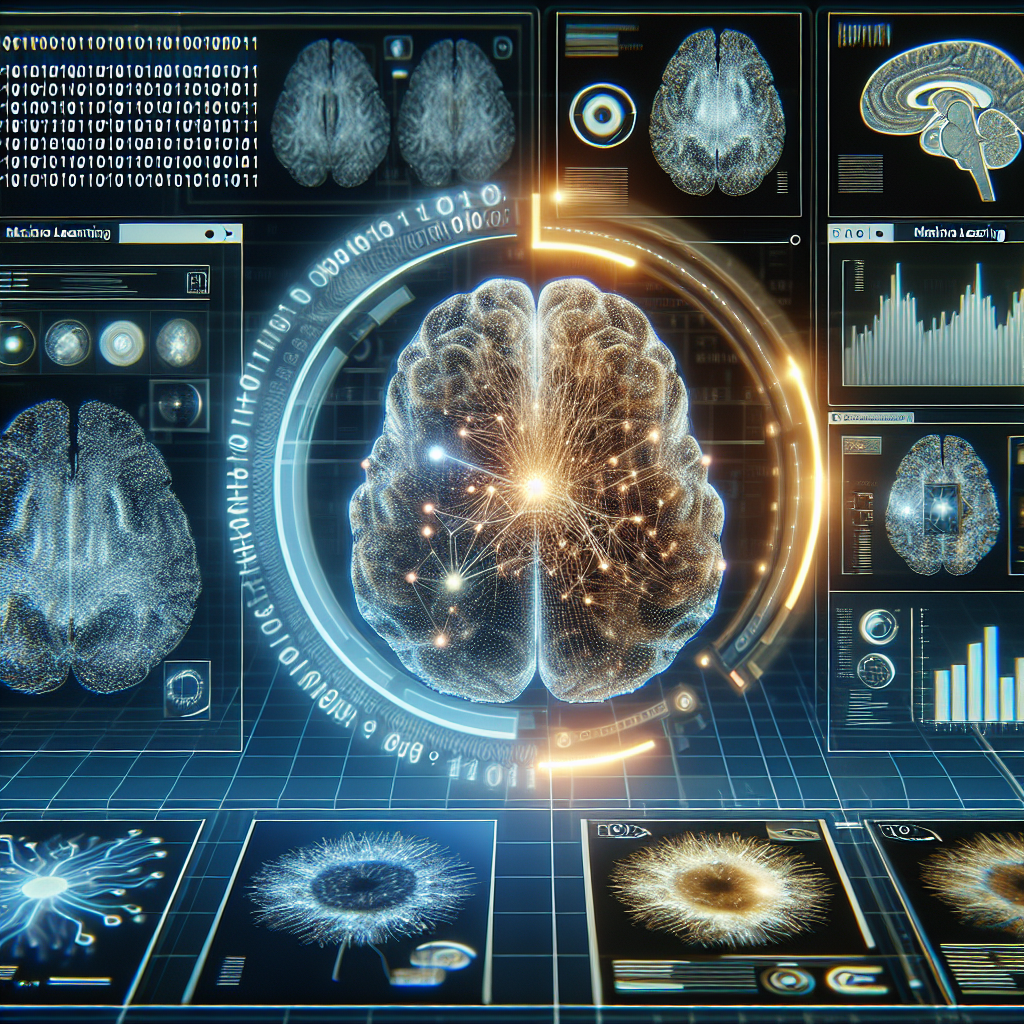
As the capabilities of machine learning progress, the future looks bright for addressing the challenges posed by genetic diseases. Increased collaboration between tech companies, healthcare providers, and researchers will likely unlock further innovations, unveiling new opportunities to enhance the quality of life for those affected by genetic conditions across the United States.
DISCOVER MORE: Click here for additional insights
Transforming Genetic Insights into Accurate Diagnoses
The surge in genomic data availability, driven by advancements in sequencing technologies, has made it possible to accumulate vast repositories of information related to various genetic diseases. However, leveraging this data effectively requires sophisticated analytical methods. Machine learning models provide an innovative solution by identifying complex relationships within this data that would be nearly impossible for human analysts to discern. For instance, these models can sift through millions of genetic variants to uncover links between specific mutations and diseases, enabling earlier and more precise diagnoses.
One of the pivotal aspects of developing machine learning models for genetic diagnostics is the training phase. In this phase, algorithms learn from meticulously curated datasets, which include genetic information and the corresponding clinical outcomes. The importance of high-quality data cannot be overstated; the accuracy of these models heavily relies on the diversity and richness of the training datasets. As healthcare professionals work together with data scientists, they can compile extensive datasets that not only represent a wide range of populations but also encapsulate various environmental factors influencing genetic expression.
Moreover, machine learning approaches can be categorized into several types, each providing unique benefits:
- Supervised Learning: In this method, models are trained on labeled datasets where the outcomes are known. This can be particularly useful in identifying how specific genetic mutations correspond to particular diseases, streamlining the diagnostic process.
- Unsupervised Learning: This approach analyzes data without pre-existing labels, allowing the model to discover inherent patterns. It can be instrumental in identifying new genetic variants potentially linked to undiscovered disorders.
- Reinforcement Learning: By mimicking the learning process similar to how humans learn from feedback, this method adapts over time to improve accuracy, making it suitable for dynamic environments such as genomics.
Additionally, implementing deep learning techniques, a subset of machine learning, has revolutionized the field of genetic diagnostics. Deep learning algorithms can process vast amounts of unstructured data, such as genomic sequences and clinical notes, enabling a more nuanced understanding of complex genetic landscapes. For example, convolutional neural networks (CNNs) have shown promise in analyzing genomic images, such as those derived from genomic loci, facilitating disease detection at remarkably high levels of accuracy.
As machine learning models evolve, so too does their ability to integrate with other forms of healthcare information technology, such as electronic health records (EHRs). This integration creates a comprehensive picture that includes patient genetics, lifestyle factors, and family history, ensuring that the healthcare provider has access to all relevant information when diagnosing genetic disorders. The synergy between artificial intelligence and healthcare data not only supports quicker diagnosis pathways but significantly enhances clinical decision-making, ultimately leading to standardized, personalized care approaches.
The ongoing development of machine learning models represents an exciting frontier in genomic research and clinical practice. By harnessing these technologies, healthcare professionals can move toward a future where genetic diseases are diagnosed with unprecedented accuracy and timeliness, fundamentally altering the landscape of medical care for affected individuals and their families.
| Advantage | Description |
|---|---|
| Improved Accuracy | Machine learning algorithms can analyze vast amounts of genetic data, leading to more precise diagnoses of genetic diseases compared to traditional methods. |
| Personalized Treatment Plans | By identifying specific genetic mutations, these models enable healthcare providers to develop customized treatment strategies that target individual patient needs. |
| Cost Efficiency | Utilizing machine learning reduces the costs associated with misdiagnoses and unnecessary tests, thereby optimizing healthcare expenditures. |
| Faster Diagnoses | Machine learning can significantly decrease the time required to analyze genetic tests, leading to quicker medical interventions for patients. |
The integration of machine learning models into genomics is revolutionizing how we approach genetic diseases. With enhanced data processing capabilities, these systems can uncover patterns that elude standard diagnostic tools. The increasing ability to process and learn from genetic data not only leads to more accurate diagnoses but also supports the medical community in adopting precision medicine practices. Moreover, the deep learning methodologies used in these models can adapt and improve over time, becoming increasingly effective as new genetic information emerges.This burgeoning field is paving the way for substantial advancements in the understanding and management of genetic disorders, encouraging ongoing research and collaboration between computer scientists and geneticists. The potential for machine learning to transform diagnostics is vital; as such technologies are refined, the hope is that they will lead to a future where genetic diseases can be proactively managed rather than merely treated.
DISCOVER MORE: Click here for additional insights
Enhancing Predictive Accuracy with Machine Learning Algorithms
As genetic research progresses rapidly, the demand for robust diagnostic tools has never been higher. Machine learning models have emerged as indispensable allies in this quest, significantly enhancing predictive accuracy and expediting the diagnostic journey for patients suspected of having genetic conditions. One groundbreaking application is in the realm of predictive analytics, where models are designed to forecast the likelihood of a patient developing a particular genetic disorder based on their genetic makeup and familial history.
In this context, a burgeoning area of focus is the use of genetic risk scores. By employing algorithms that analyze single nucleotide polymorphisms (SNPs) across genomes, healthcare professionals can generate personalized risk assessments. For example, a patient may possess a unique genetic profile indicating a higher susceptibility to certain conditions—such as type 2 diabetes or certain cancers—enabling preemptive measures that can significantly mitigate health risks. Such tailored assessments underscore the transition from a one-size-fits-all approach to a more personalized healthcare model.
Another innovative approach is integrative genomics, which combines the power of machine learning with multi-omics data. By analyzing genomic, transcriptomic, proteomic, and metabolomic data collectively, machine learning models can identify complex biological pathways that lead to disease. For instance, researchers at institutions like Stanford University have leveraged these integrative techniques to unravel the molecular underpinnings of rare genetic disorders like cystic fibrosis, allowing for a more comprehensive diagnostic outlook and paving the way for targeted therapies.
However, while the potential of machine learning in diagnosing genetic diseases is vast, it is not without challenges. One significant hurdle is the issue of model interpretability. Many machine learning algorithms operate as “black boxes,” making it difficult for clinicians to understand how specific diagnoses were derived. Initiatives aimed at enhancing interpretability, such as the development of user-friendly dashboards and visual analytics tools, can empower healthcare providers to trust and effectively utilize these sophisticated models in clinical practice.
The integration of machine learning models into existing healthcare frameworks is also vital. Interoperability with systems like electronic health records (EHRs) ensures that genetic data can be efficiently integrated into broader clinical workflows. For example, projects like the All of Us Research Program, a groundbreaking initiative by the National Institutes of Health in the U.S., harness vast datasets to enhance personalized medicine efforts, illustrating how machine learning models can be seamlessly incorporated into everyday medical care.
Moreover, the ethical implications surrounding the use of genetic data cannot be overlooked. As machine learning models become increasingly prevalent in diagnostics, ongoing discussions concerning data privacy, consent, and potential biases embedded within algorithms are essential. Ensuring diverse representation in training datasets is crucial to avoid disparities in diagnosis and treatment outcomes that may inadvertently favor certain populations over others.
The exploration of machine learning techniques continues to reshape the landscape of genetic disorder diagnosis, ushering in new possibilities for precision medicine. By embracing these advanced technologies, the medical community is not only improving diagnostic accuracy but also laying the foundation for future breakthroughs in genetic research and therapy development. With each model refined and each dataset analyzed, we inch closer to a future where genetic diseases can be diagnosed with unprecedented clarity and speed.
DISCOVER MORE: Click here for further insights
Conclusion
The fusion of machine learning and genetic diagnostics represents a transformative shift in the realm of healthcare. As we navigate through the complexities of genetic diseases, the deployment of advanced models not only enhances the accuracy of diagnostics but also tailors approaches to individual patients, thereby paving the way for more effective interventions. The use of genetic risk scores and integrative genomics illustrates this exciting evolution, as these methodologies sift through vast datasets to identify subtle patterns that can inform tailored treatment plans.
Nonetheless, as the integration of machine learning within clinical settings accelerates, it is imperative to address the associated challenges—especially regarding the interpretability of models and the ethical considerations surrounding data use. Ensuring that healthcare providers can understand and trust these algorithms is vital for their successful implementation. Furthermore, the ongoing discourse about data privacy and algorithmic biases must be prioritized to ensure equitable healthcare outcomes for all populations.
Looking ahead, the interplay between technological innovation and genetic research harbors immense potential to revolutionize how we diagnose and treat hereditary conditions. As we refine these models and expand their applications, we stand on the brink of a new era in medicine—one where genetic disorders can be detected with remarkable precision, leading to earlier interventions and improved prognoses. The journey towards fully realized personalized medicine is well underway, and it is essential for medical professionals, researchers, and policymakers to collaborate closely in harnessing machine learning to its fullest potential.
Related posts:
The Impact of Machine Learning on the Healthcare Industry
The Use of Machine Learning in Forecasting Market Trends and Consumer Behavior
Machine Learning in Industry Automation: Challenges and Opportunities
The Role of Machine Learning in Personalizing User Experience on Digital Platforms
Machine Learning and Sustainability: Solutions for the Climate Crisis
The Influence of Machine Learning on Digital Content Creation and Personalized Marketing

Beatriz Johnson is a seasoned AI strategist and writer with a passion for simplifying the complexities of artificial intelligence and machine learning. With over a decade of experience in the tech industry, she specializes in topics like generative AI, automation tools, and emerging AI trends. Through her work on our website, Beatriz empowers readers to make informed decisions about adopting AI technologies and stay ahead in the rapidly evolving digital landscape.