
The Impact of Neural Networks in Medicine
The transformation brought about by neural networks in personalized medicine is a phenomenon worth examining in detail. These complex algorithms mimic the ways human brains operate, enabling them to process and analyze vast amounts of medical data quickly and effectively. As healthcare professionals increasingly rely on these technologies, a new paradigm is emerging that emphasizes not just speed, but also enhanced healthcare outcomes.
One notable application of neural networks can be seen in the realm of medical imaging. Innovations such as those developed by companies like Zebra Medical Vision utilize deep learning to detect conditions such as pneumonia or fractures in radiology reports with precision that often surpasses human radiologists. These systems can analyze thousands of images in a fraction of the time it would take medical professionals, thereby streamlining the diagnosis process and reducing bottlenecks in treatment.
Predictive analytics is another area where neural networks are making significant inroads. By examining a variety of patient data, including genetic information, lifestyle choices, and electronic health records, neural networks can identify patterns that might predict disease onset or progression. For instance, algorithms employed in managing diabetes can alert healthcare providers to potential complications before they arise, allowing for preemptive interventions that can save lives and reduce healthcare costs.
Moreover, personalized treatment recommendations signify a breakthrough in patient care. Treatment plans crafted from these algorithms can account for individual variability in genetics and response to medications. For example, in oncology, neural networks can analyze tumor genetics to offer precision drug recommendations tailored specifically to the patient’s unique disease profile, vastly improving the effectiveness of treatment protocols.
However, this technological revolution does not come without challenges. The integration of AI and human insight in clinical decision-making raises critical questions around data privacy, consent, and the ethical management of sensitive patient information. Healthcare providers must strike a delicate balance between leveraging sophisticated technology and maintaining the irreplaceable human touch in medicine.
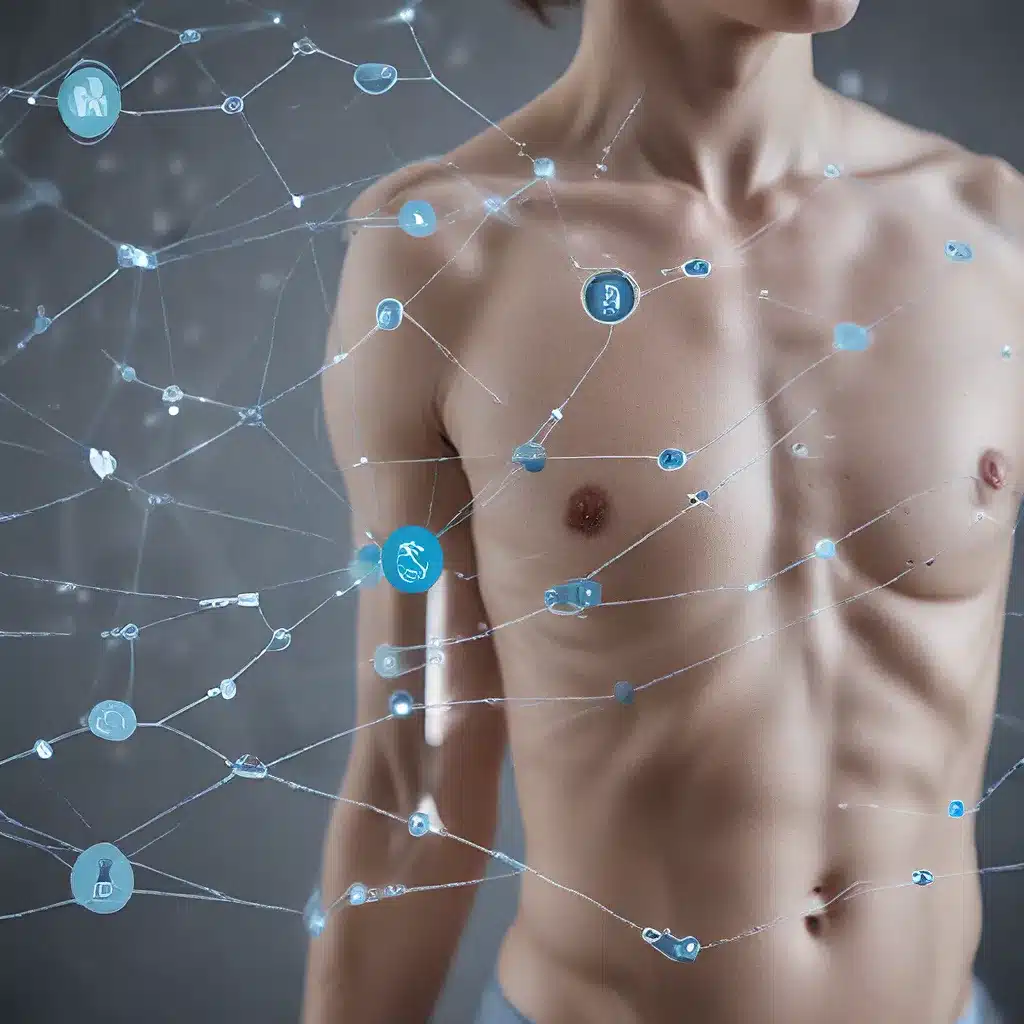
The implications of utilizing neural networks extend beyond just immediate patient care. As we navigate this evolving landscape, the potential for improved outcomes and reshaped treatment paradigms is immense. As the exploration of these technologies continues, it is essential for stakeholders—clinicians, technologists, and policymakers—to engage in meaningful conversations about how best to harness these advancements for the benefit of the healthcare system and its patients. Continued research and discussion will be vital in ensuring that as we embrace these innovations, they enhance rather than hinder the timeless values of compassion and understanding in healthcare.
DISCOVER MORE: Click here for further insights
Revolutionizing Automated Diagnosis
The role of neural networks in personalized medicine extends deeply into the realm of automated diagnosis, where they have become indispensable tools for healthcare professionals. By harnessing vast datasets from multiple sources, including electronic health records, genomic information, and even wearable health technology, these networks are capable of producing insights that would take human practitioners years to discern. This capability reduces the time required for diagnosis and can significantly enhance the accuracy of patient assessments.
One of the most impressive capabilities of neural networks is their proficiency in analyzing complex patterns within data. For example, algorithms designed for disease detection can assess symptoms, lab results, and medical history to provide comprehensive risk profiles. In systems designed for detecting cardiac diseases, neural networks have shown an ability to predict potential heart attacks by flagging subtle changes in heart rate and variability that often go unnoticed during routine evaluations. This preemptive approach does not merely save time; it transforms the method of managing chronic conditions into a more proactive model.
Advantages of Neural Networks in Automated Diagnosis
- Speed: Neural networks can process enormous amounts of data rapidly, yielding results in seconds rather than days.
- Accuracy: These systems are capable of detecting anomalies that may escape the human eye, leading to earlier and more precise diagnoses.
- Scalability: Neural networks can be adapted to a variety of medical fields, from radiology to pathology, making them versatile tools in comprehensive healthcare.
- Continuous Learning: As more data becomes available, neural networks can improve their algorithms, refining diagnostic accuracy over time through machine learning.
Moreover, the application of neural networks in telemedicine has gained momentum, particularly as the demand for remote healthcare solutions has surged. Virtual health consultations aided by these intelligent systems allow practitioners to receive analytical support during diagnoses without needing patients to be physically present in a clinic. For instance, a patient experiencing cough and difficulty breathing could have their condition assessed through an algorithm analyzing their reported symptoms and health data in real time. Such advancements negate the necessity for in-person visits in many cases, ensuring that patients receive timely care while also alleviating pressure on healthcare facilities.
In oncology, neural networks have been transformative. They can evaluate tumor images and molecular profiles at a level of detail unimaginable in traditional reviews. This capability permits remarkably precise categorization of cancers, allowing healthcare providers to offer targeted therapeutic options that align closely with a patient’s specific genetic makeup. Consequently, treatment choices evolve from one-size-fits-all approaches to tailored strategies that promise improved outcomes.
While the enthusiasm surrounding these advancements is palpable, it also invites scrutiny. As neural networks draw on extensive patient data, concerns regarding data privacy and ethical implications arise. Healthcare providers must remain vigilant in addressing these issues while leveraging the benefits that come with these advanced diagnostic tools.
The landscape of automated diagnosis through neural networks is still rapidly evolving. As this technology matures, the potential to redefine patient care continues to expand, challenging healthcare systems to adapt and optimize the integration of these tools within clinical environments.
The Role of Neural Networks in Personalized Medicine
In the realm of personalized medicine, neural networks have emerged as a transformative force, paving the way for automated diagnosis and tailored treatment plans. These sophisticated algorithms excel at recognizing complex patterns in vast datasets, allowing for an unprecedented level of personalization in healthcare. By analyzing a patient’s unique genetic profile along with lifestyle and environmental factors, neural networks can provide insights that were previously unattainable, facilitating a more precise approach to treatment.Neural networks not only enhance the accuracy of diagnoses but also streamline the treatment process. For instance, through deep learning techniques, these systems can evaluate medical images, such as X-rays and MRIs, identifying anomalies with remarkable precision. This is particularly advantageous in fields like oncology, where early detection of tumors significantly increases survival rates. As a result, healthcare professionals can offer interventions tailored specifically to the individual, rather than applying a one-size-fits-all solution.Moreover, as patient data continues to be aggregated from various sources, neural networks are capable of evolving and improving their diagnostic capabilities. This ongoing learning ensures that as medical knowledge expands, so too does the accuracy of automated diagnoses. The implications for patient care are profound, leading to not only improved outcomes but also reduced costs associated with misdiagnosis and ineffective treatments.
Advantages of Neural Networks in Personalization
| Category | Advantages |
|---|---|
| Enhanced Diagnosis | Neural networks improve diagnostic accuracy by analyzing complex data patterns. |
| Personalized Treatment | Tailored treatment plans based on individual genetic and lifestyle factors. |
As neural networks continue to advance, their integration into personalized medicine will undoubtedly reshape healthcare delivery, offering more effective and individualized solutions for patients. This technological paradigm shift encourages further exploration into the potential of AI in medical practice, emphasizing the importance of ongoing research and development in this dynamic field.
DISCOVER MORE: Click here for further insights
Transforming Treatment Protocols
Beyond automated diagnosis, neural networks are now playing an invaluable role in shaping treatment protocols within the field of personalized medicine. The ability of these networks to analyze and predict patient responses to various therapies can significantly enhance the effectiveness of treatment plans. By integrating genetic data, lifestyle factors, and historical health information, neural networks can guide clinicians in selecting the most suitable therapeutic strategies tailored to individual patients.
One of the most promising applications of neural networks is in the development of precision medicine. In cancer treatments, for instance, neural networks utilize a wealth of data from clinical trials and patient outcomes to predict how specific patient profiles will respond to particular drugs. This level of personalization not only minimizes the risk of ineffective treatments but also reduces the incidence of adverse drug reactions, thereby enhancing patient safety and satisfaction. A study published in the journal Nature Medicine highlighted how machine learning models, driven by neural networks, could identify optimal chemotherapy regimens for breast cancer patients, significantly boosting response rates compared to traditional protocols.
Real-World Applications and Case Studies
The real-world impact of these advancements is not just a theoretical exercise. For example, IBM Watson for Oncology utilizes advanced neural network algorithms to assist oncologists in recommending treatment options based on analysis of vast datasets of clinical studies and patient records. This system evaluates the nuances of cancer types, genetic data, and past treatment outcomes to generate personalized treatment recommendations. Recent evaluations have shown that recommendations made by Watson have matched or exceeded those of expert oncologists in certain instances, demonstrating the technology’s potential for enhancing decision-making in the medical field.
Furthermore, in the realm of chronic disease management, neural networks have facilitated the optimization of treatment plans for conditions such as diabetes. Predictive analytics can help healthcare providers forecast potential complications or disease progression by analyzing extensive historical data, including blood glucose levels, lifestyle choices, and co-morbid conditions. This foresight allows for timely interventions, whether through medication adjustments or lifestyle recommendations, keeping patients healthier and reducing hospital visits.
The Integration of Artificial Intelligence into Clinical Practice
The integration of artificial intelligence (AI) and neural networks into clinical practice presents significant challenges alongside its promise. Healthcare professionals must navigate issues related to interoperability of systems and ensure that neural networks can effectively communicate with existing electronic health records and diagnostic tools. Additionally, there is a need for robust frameworks to validate and test the recommendations provided by these models, ensuring they meet rigorous clinical standards.
Important discussions also arise about the need for comprehensive training and education for healthcare providers regarding the use of these advanced technologies. As practitioners increasingly incorporate neural networks into their workflows, a solid understanding of their functionalities and limitations will be crucial. Furthermore, patient education on how AI impacts their care decisions becomes essential, fostering transparency and trust in the healthcare process.
As neural networks continue to evolve, the exploration of their capabilities in tailoring treatment strategies expands, paving the way for more effective and patient-centric healthcare solutions. The crossroad of technology and medicine harbors unprecedented potential that invites both healthcare professionals and patients to embrace a future where treatments are not only more effective but also more individualized than ever before.
DIVE DEEPER: Click here for more insights
Conclusion
The integration of neural networks into the realm of personalized medicine marks a transformative leap in how we approach automated diagnosis and treatment. With their capacity to analyze vast datasets and extract meaningful insights, neural networks are redefining traditional healthcare paradigms, enabling a more tailored and effective response to individual patient needs. From predicting treatment responses for cancer to optimizing chronic disease management protocols, these advanced algorithms are not merely enhancing clinical outcomes; they are paving the way toward a future where healthcare is as unique as the patients it serves.
As we move forward, the potential applications of neural networks will continue to expand, driving innovation in precision medicine. This evolution fosters an ecosystem where clinicians are equipped with data-driven recommendations, making informed decisions that prioritize patient safety and satisfaction. Moreover, the ongoing collaboration between healthcare professionals and technology developers will be essential in addressing challenges related to interoperability and the need for rigorous validation of AI models.
Ultimately, the journey of seamless integration of artificial intelligence into clinical practice hinges upon comprehensive provider education and patient engagement. By fostering a culture of transparency and trust, we can ensure that the advancements derived from neural networks translate into real-world benefits for patients across the United States and beyond. As we stand at this promising crossroads of technology and medicine, the commitment to harness these capabilities will be crucial in shaping a healthier future for all.
Related posts:
The Evolution of Neural Networks: From Perceptron to Deep Learning
Ethical and Transparency Challenges in Neural Networks: What We Need to Know
The Evolution of Neural Networks: From Perceptrons to Deep Learning Models
The Impact of Neural Networks on Natural Disaster Prediction
Convolutional Neural Networks: Transforming Computer Vision
Convolutional Neural Networks: Transforming Computer Vision

Beatriz Johnson is a seasoned AI strategist and writer with a passion for simplifying the complexities of artificial intelligence and machine learning. With over a decade of experience in the tech industry, she specializes in topics like generative AI, automation tools, and emerging AI trends. Through her work on our website, Beatriz empowers readers to make informed decisions about adopting AI technologies and stay ahead in the rapidly evolving digital landscape.