
The Role of Machine Learning in Shaping User Interactions
As we continue to navigate the complexities of today’s digital age, it becomes increasingly clear that machine learning is not just an enhancement but a fundamental change agent in the way users engage with technology. A key aspect of this evolution is the ability of machine learning algorithms to learn from past user behaviors, preferences, and interactions, thereby tailoring experiences in a way that was previously unimaginable.
Personalized Recommendations
Companies like Netflix and Amazon have perfected the art of personalized recommendations. For instance, Netflix’s recommendation engine analyzes viewing history, ratings, and even time spent on different genres to suggest movies and shows users might enjoy. It is estimated that over 80% of the content streamers watch on Netflix is determined by this system. Similarly, Amazon’s algorithms analyze browsing and purchasing patterns to suggest products, leading to increased sales and customer satisfaction. Such tailored recommendations not only enhance user engagement but also create a sense of intimacy and understanding between users and platforms.
Dynamic Content Delivery
Gone are the days of static webpages. With machine learning, websites can now deliver dynamic content that adapts to user interactions in real time. For example, news websites often change their layouts and featured articles based on user interests and click behaviors. If a user frequently clicks on articles about technology, that site will prioritize tech news in their feed, ensuring a more relevant experience. This adaptability increases the likelihood of returning users, fostering a loyal community that feels catered to rather than overwhelmed.
User Segmentation
User segmentation is another crucial aspect of how machine learning optimizes digital marketing efforts. By analyzing data such as demographics, behaviors, and preferences, businesses can create targeted marketing campaigns that resonate with specific segments of their audience. For example, a retailer might discover that certain age groups respond better to certain products, allowing them to tailor advertisements that speak directly to their needs and interests. The specificity that machine learning provides can lead to higher conversion rates and increased customer loyalty.
Ultimately, the ongoing innovations ushered in by machine learning promise to go beyond improving user engagement; they redefine it. As digital interactions continue to evolve, understanding the algorithms that drive these personalized experiences becomes vital for users and marketers alike. The implications of this technological shift also raise ethical questions about privacy and data usage, which merit consideration. What does it mean for a company to know so much about individual preferences, and how can they balance personalization with user privacy? These are critical discussions to have as machine learning heads into the future.
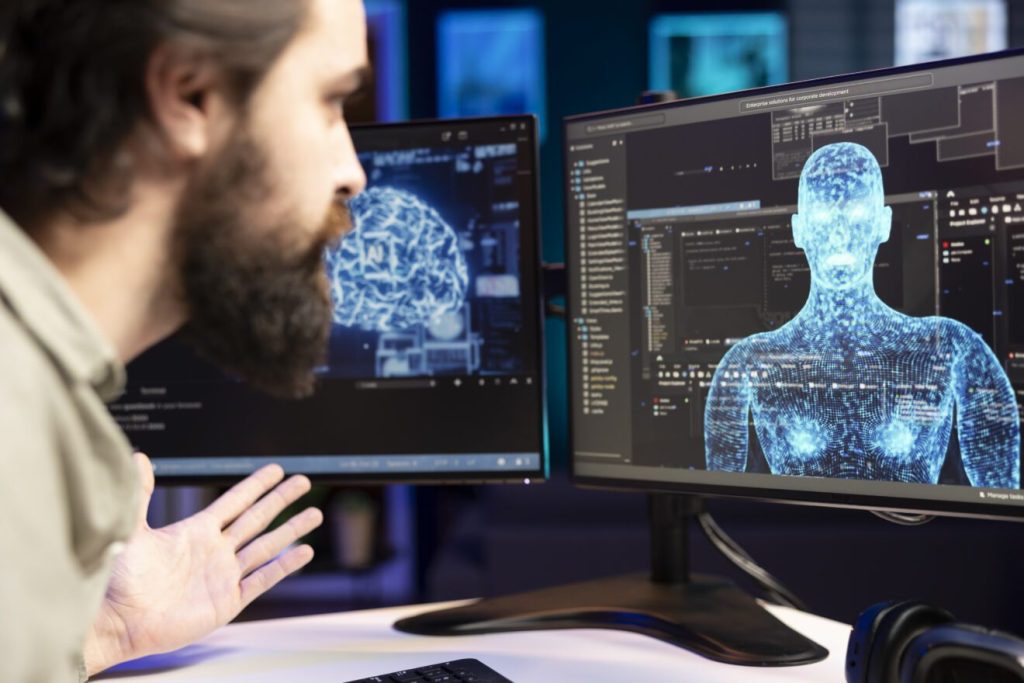
Exploring the multifaceted role machine learning plays in user experience reveals not just its transformative potential but also a crucial component for future digital marketing strategies. The path forward is paved with innovation, demanding both caution and curiosity from all stakeholders involved.
DISCOVER MORE: Click here to dive deeper
Transforming User Experience through Predictive Analytics
At the heart of machine learning’s contribution to personalizing user experience lies predictive analytics. This fascinating facet of machine learning allows platforms to anticipate user needs and preferences before they even articulate them. By leveraging historical data, machine learning algorithms can identify patterns and forecast future behaviors, effectively creating a whole new dimension of interactivity on digital platforms.
Consider the way social media platforms tailor user feeds. Facebook, Instagram, and TikTok utilize predictive analytics to curate content that aligns closely with user interests. By analyzing factors such as engagement rates, user interactions, and even the time spent on particular posts, these platforms serve a stream of content that resonates with individual users. This not only keeps users engaged but also encourages them to explore new content that they might not have discovered otherwise.
Enhancing Customer Support Services
An area where machine learning has proven invaluable is in improving customer support services through chatbots and virtual assistants. These AI-driven tools, powered by machine learning algorithms, are designed to learn from every interaction, continuously improving the quality of their responses. For example, companies like Sephora employ a chatbot that assists customers with product recommendations based on previous purchases and browsing history. This level of personalization makes the user experience smoother and more efficient, allowing customers to receive immediate assistance tailored to their unique shopping habits.
Behavioral Targeting in Advertising
Another significant application of machine learning is in behavioral targeting for advertising. By capturing and analyzing user interactions, brands can create highly personalized advertisements that resonate on an individual level. This form of targeting not only maximizes the effectiveness of digital marketing campaigns but also reduces the likelihood of customers feeling bombarded by irrelevant ads. Users are much more likely to engage with ads that reflect their preferences and behaviors, ultimately leading to a better return on investment for companies. Key platforms leverage machine learning for audience targeting include:
- Google Ads: Tailors ad placements based on search history and web browsing behavior.
- Facebook Ads: Utilizes user demographics and interactions to create segmented campaigns.
- Amazon Advertising: Leverages purchase patterns and product views to suggest relevant ads.
As the integration of machine learning continues to evolve, companies are finding that these advanced techniques do more than just streamline processes—they help nurture deeper connections with customers. Through personalized experiences, brands do not just meet customer expectations; they redefine them, establishing a standard for what constitutes a satisfying digital interaction. However, as the reliance on such technology grows, so do concerns regarding data privacy and transparency. As users share more of their preferences, it prompts a critical dialogue on how this valuable information is utilized and safeguarded. This ongoing conversation is pivotal as we explore the trajectory of machine learning’s role in personalizing user experiences across digital platforms.
The Role of Machine Learning in User Engagement
Machine learning (ML) has revolutionized how digital platforms interact with users by enabling personalized experiences that adapt in real time to individual preferences and behaviors. By analyzing vast amounts of data, ML algorithms identify patterns that help in tailoring content, products, and recommendations to suit each user’s unique tastes. This level of personalization significantly enhances user engagement, ultimately leading to increased conversion rates and customer retention.Another remarkable aspect of machine learning is its ability to learn from user interactions continuously. As users engage with the platform, machine learning models refine their predictions to offer even more accurate suggestions. For example, e-commerce sites utilize ML to analyze users’ browsing history and predict which products they may be interested in purchasing. This predictive capability not only improves the user experience but also drives sales, as users are shown relevant items they may not have discovered otherwise.Machine learning also plays a pivotal role in content curation on platforms such as streaming services and social media. By examining user behavior and preferences, ML algorithms recommend videos, articles, or posts that align with the user’s interests, leading to longer session times and increased satisfaction. This strategic application of ML technologies transforms the passive act of consuming content into an interactive experience that resonates with users.To further illustrate, platforms like Spotify employ complex algorithms to create personalized playlists based on individual listening habits, moods, and even time of day. Such personalized experiences foster a deeper emotional connection between users and the content, enhancing overall user loyalty.While the benefits are substantial, it’s crucial to address the ethical considerations surrounding data privacy and algorithmic bias. As ML systems rely heavily on user data to function effectively, ensuring transparency and user consent remains of utmost importance. Digital platforms must navigate this landscape carefully to respect user privacy while still delivering personalized experiences.In conclusion, the role of machine learning in enhancing user experience cannot be overstated. By offering tailored content and recommendations, these intelligent systems not only boost engagement and retention but also create a meaningful interaction between users and digital platforms. It beckons further exploration into how these technologies can evolve and shape future user interactions on the web.
| Advantages | Key Features |
|---|---|
| Enhanced Personalization | Adapts content based on individual user preferences, increasing relevance. |
| Increased Engagement | Keeps users interested by providing tailored recommendations, enhancing satisfaction. |
DISCOVER MORE: Click here for insights
Real-time Personalization and Dynamic Content Delivery
As technology advances, real-time personalization has emerged as a crucial element of enhancing user experience across digital platforms. This innovative approach uses machine learning to adapt content and functionality instantaneously based on user interactions. Imagine visiting a website that changes its layout, offers, or recommendations in real-time while you browse. This dynamic adaptability not only creates an engaging user journey but also ensures that users feel truly valued and understood.
For instance, streaming services like Netflix utilize machine learning algorithms to analyze viewing habits and create individualized recommendations in real-time. By assessing the movies and shows you’ve watched, the platform can suggest titles that align with your tastes, contributing to extended viewership and user satisfaction. Netflix’s use of real-time data enables them to experiment with thumbnail images and descriptions to find the most appealing way to attract viewers to each specific title. This data-driven approach is an ongoing demonstration of how machine learning can refine user engagement continuously.
Personalized E-commerce Experiences
The digital retail landscape is no stranger to personalization. Online marketplaces such as Amazon employ machine learning to tailor shopping experiences based on customer behavior. By analyzing factors like past purchases, wish list items, and browsing history, these platforms curate personalized product recommendations that are displayed prominently to users. This intricate algorithmic personalization not only enhances the shopping experience but also drives sales by presenting products at the right time.
- Recommendation Engines: Leading e-commerce platforms utilize sophisticated recommendation engines that analyze user data to suggest items closely aligned with user preferences.
- Dynamic Pricing: Companies like Uber and airlines use machine learning to adjust prices in real-time based on demand, customer behavior, and market trends.
- Customized Marketing Emails: Businesses craft personalized email campaigns using machine learning algorithms to segment audiences and deliver tailored promotions, enhancing the likelihood of engagement.
Moreover, the incorporation of natural language processing (NLP), a subset of artificial intelligence, has transformed how businesses interact with customers on digital platforms. This technology enables companies to analyze customer feedback, reviews, and social media conversations. Platforms like TripAdvisor leverage NLP to inform property owners about sentiments expressed in reviews, allowing them to respond more effectively to customer needs and adjust their offerings accordingly. This proactive engagement creates an atmosphere of satisfaction and loyalty, reflecting the power of machine learning in cultivating personalized experiences.
Adapting User Interfaces with Machine Learning
Machine learning also plays a pivotal role in enhancing user interface (UI) design to accommodate diverse user preferences. Websites and applications can employ adaptive interfaces that change as users interact with them. For example, platforms such as YouTube continuously adjust their interfaces based on individual viewing habits and interactions. The platform learns not just from what users watch, but how they navigate the interface, making optimal adjustments that support easier and more efficient content discovery.
Incorporating machine learning in UI design leads to more intuitive interfaces that cater to varying user preferences and technological familiarity. This adaptability can significantly reduce the learning curve for new users, resulting in increased retention rates and overall satisfaction. Companies like Spotify utilize machine learning algorithms to create playlists that suit not only the traditional genre preferences but also the user moods, times of day, and activity levels, showcasing a robust method of engagement that feels almost personalized for each listener.
DISCOVER MORE: Click here to learn more
Conclusion
As we navigate an increasingly digital world, the role of machine learning in personalizing user experiences on digital platforms stands out as a game changer. From real-time adaptations in content delivery to tailor-made e-commerce experiences, machine learning enables a level of personalization that enhances engagement and satisfaction. The ability to analyze vast amounts of user data, understand behavioral patterns, and provide customized interfaces allows companies to not only meet but anticipate the needs of their users.
The implications of this technology extend beyond mere convenience; they foster deeper relationships between users and platforms. As seen with leading services like Netflix, Amazon, and Spotify, the effectiveness of machine learning in creating individualized experiences leads to higher levels of user loyalty and retention. Additionally, the integration of natural language processing has opened new avenues for understanding customer sentiments, thereby allowing businesses to respond more proactively to user feedback.
Looking ahead, the potential for machine learning in personalizing user experiences is vast and continues to evolve. Companies are encouraged to explore this technology further, leveraging its capabilities to deliver intuitive, engaging, and satisfying interactions. However, as we embrace these advancements, it’s also crucial to consider ethical implications and data privacy concerns associated with user data handling. Ultimately, a thoughtful approach to machine learning not only creates personalized digital experiences but can also build trust and transparency between users and the platforms they engage with.
Related posts:
Machine Learning and the Evolution of Urban Mobility: Intelligent Solutions for Future Cities
The Use of Machine Learning in Market Trend Forecasting
The Ethics in Machine Learning: Challenges and Solutions
Developing Machine Learning Models for Improving Diagnosis of Genetic Diseases
The Impact of Machine Learning on Industrial Automation
Development of Machine Learning Algorithms for Facial Recognition

Beatriz Johnson is a seasoned AI strategist and writer with a passion for simplifying the complexities of artificial intelligence and machine learning. With over a decade of experience in the tech industry, she specializes in topics like generative AI, automation tools, and emerging AI trends. Through her work on our website, Beatriz empowers readers to make informed decisions about adopting AI technologies and stay ahead in the rapidly evolving digital landscape.