
Understanding the Transformation of Home Life through Automation
The integration of robots and Artificial Intelligence (AI) into our everyday lives signifies a monumental shift in how we manage our homes. No longer are these technologies limited to industrial spaces or research facilities; they are becoming commonplace in our domestic lives, simplifying tasks and enriching our existence.
Smart home technology has rapidly evolved, enabling seamless interaction with various devices. For instance, smart home assistants like Amazon’s Alexa or Google Nest allow users to control lighting, music, and even the thermostat through simple voice commands. This not only provides convenience but also adds a level of accessibility for those with mobility challenges.
Another remarkable example is the rise of robotic vacuum cleaners. Brands like Roomba and Roborock have transformed the mundane chore of cleaning floors into an effortless process. These devices can navigate through obstacles, schedule cleaning sessions, and return to their charging stations autonomously. Imagine being able to enjoy a movie while your floors are cleaned without you lifting a finger!
Furthermore, security robots enhance home safety by providing vigilant monitoring. These systems can detect potential threats, such as unauthorized entry, and alert homeowners via smartphone notifications. With the integration of AI, some security systems even learn from user patterns and can differentiate between regular visitors and intruders, significantly reducing false alarms.
Emerging Features of Smart Home Technology
The advancements in home automation come with several notable features that benefit users:
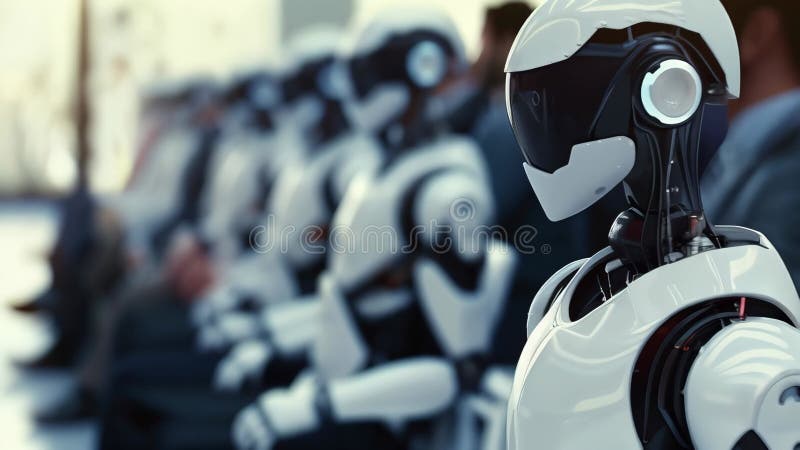
- Increased efficiency: By automating routine tasks, families can manage their time more effectively. For example, automated irrigation systems can adjust watering schedules based on weather forecasts, conserving water.
- Personalization: Many smart devices are equipped with algorithms that learn user preferences over time. For example, smart thermostats can adjust heating and cooling based on your daily schedule and comfort levels, ensuring an optimal living environment.
- Energy savings: Automated systems play a crucial role in optimizing energy use. Smart appliances can operate during off-peak hours, resulting in lower energy bills and a smaller carbon footprint. For example, smart refrigerators can monitor food freshness and alert you when items are nearing their expiration dates, reducing food waste.
While the benefits of these technologies are compelling, it is essential to consider the implications of increased reliance on intelligent systems. Privacy concerns, data security threats, and potential job displacement in certain sectors are critical topics that warrant discussion. As we embrace this new era of domestic life, understanding both the advancements and challenges will shape how we navigate our relationship with technology.
As we continue to explore this fascinating landscape, it’s clear that the future is not just about convenience; it’s about rethinking how we define home, safety, and efficiency in our lives.
EXPLORE MORE: Click here to dive deeper
Revolutionizing Household Tasks with Intelligent Automation
The evolution of robotics and AI in domestic settings is not merely a novelty; it marks a profound change in how households operate. With the fast-paced lifestyle of modern society, these technologies serve as significant enablers, allowing us to redirect our focus toward more enriching endeavors. As such, the integration of these advancements into our daily routines is becoming indispensable.
Consider the impact of kitchen robots, like the Thermomix or the Instant Pot, which automate cooking processes. By performing multiple functions—chopping, steaming, and even using precise cooking algorithms—these appliances save time and reduce the hassle associated with meal preparation. Gone are the days of labor-intensive cooking; instead, families can experiment with gourmet recipes, often guided by AI-driven apps that suggest meals based on available ingredients. This not only fosters creativity in the kitchen but also encourages healthier eating habits.
The realm of laundry automation has also experienced remarkable enhancements. Washing machines and dryers equipped with AI capabilities can assess load sizes and fabric types, selecting optimal cycles to protect garments and reduce energy consumption. Some advanced models even notify users when a load is complete or when maintenance is required, ensuring they operate at peak efficiency.
Automation Beyond Basic Tasks
The implications of integrating robots and AI extend beyond mere task management. In fact, they can significantly improve the way family members interact and the overall atmosphere in the home. Some notable benefits include:
- Improved family engagement: With mundane chores handled by machines, family members can spend more quality time together, engaging in activities that strengthen bonds. Game nights, movie marathons, or even family cooking sessions become more common, revitalizing the family dynamic.
- Enhanced accessibility for all: Traditionally challenging tasks become manageable for individuals with disabilities or those aging in place. Robots like the UVD Robot are designed to assist in various capabilities, ensuring that everyone can enjoy a comfortable living environment. No one should feel limited by physical constraints.
- Customized home environments: With integration across different platforms, users can create routines that cater specifically to their needs. For example, smart lights can adjust brightness levels based on time of day or user preference, while thermostats maintain ideal temperatures based on individual comfort. This creates tailored living spaces that respond to their inhabitants.
As we embrace these groundbreaking technologies, society must also navigate the challenges they introduce. Questions surrounding data privacy, the potential for surveillance, and the ethical use of AI abound. The reality is that as we enhance our lives with automation, we must remain vigilant about the implications these changes have on our privacy and autonomy.
Through ongoing dialogue and investigation, individuals can tackle these complex issues as they enjoy a more connected and efficient home life. The integration of robots and AI—a journey that is just beginning—promises to redefine the very fabric of domestic living.
Enhancing Domestic Efficiency with Intelligent Systems
The integration of robots and AI in domestic environments is reshaping our everyday lives, making routine tasks easier and freeing up time for more meaningful activities. AI-powered assistants can now manage schedules, control home appliances, and even handle grocery lists, allowing for a more organized lifestyle. With smart home ecosystems, homeowners can control lighting, heating, and security systems through simple voice commands or mobile applications, providing a seamless integration of technology within their living spaces.
Personalized Experiences Through Learning Algorithms
As these intelligent systems learn from user behaviors, they can tailor their functions to better suit individual preferences. For instance, a smart kitchen equipped with automation can adapt recipes based on dietary restrictions or suggest meals based on ingredients available at home. This level of personalization not only enhances daily convenience but also encourages healthier eating habits and waste reduction.
Safety and Security Enhancements
In terms of safety, AI and robotic systems can monitor homes with advanced sensing technologies, alerting homeowners in real-time to potential dangers. From smoke alarms to surveillance cameras with facial recognition capabilities, this technology provides peace of mind and a substantial reduction in anxiety over home safety. Furthermore, elderly residents can benefit from companion robots designed to assist with daily tasks, ensuring their safety while promoting independence.
Economic Impacts and Future Trends
The revolution of domestic automation does not stop at convenience and safety; it opens up new economic avenues as well. With the demand for smart home devices on the rise, there are increasing opportunities for businesses to innovate and provide products/services tailored to this growing market segment. As we move into a more digitally connected future, embracing the integration of robots and AI will likely become essential for achieving a fully automated and efficient home.
| Advantages | Key Features |
|---|---|
| Increased Efficiency | Automation of repetitive tasks |
| Enhanced Security | Real-time monitoring and alerts |
DISCOVER MORE: Click here to learn more
The Smart Home Revolution: A Seamless Blend of Convenience and Intelligence
As robotics and AI technology continue to mature, the concept of the smart home is becoming increasingly mainstream. Today, households across the United States are embracing intricate systems that not only automate tasks, but also create an intelligent living environment that adapts to user preferences. From climate control to security measures, smart technologies are revolutionizing the way we approach home management.
Consider how advanced smart thermostats, like the Google Nest or Ecobee, enhance energy efficiency. These devices utilize machine learning algorithms to learn from user behavior, adjusting heating and cooling settings automatically. This results in not only improved comfort but also significant savings on energy bills. One study revealed that households utilizing smart thermostats reduced their energy consumption by an average of 10-12%, highlighting their potential not just for convenience, but also for sustainability.
Security Through Innovation
Another domain where integration of robots and AI shines brightly is in home security. With options ranging from intelligent surveillance cameras to automated locking systems, homeowners can monitor their properties remotely while receiving real-time alerts of any unusual activity. For instance, the Ring Doorbell, equipped with AI-driven facial recognition, can distinguish between familiar faces and unknown visitors, providing users with greater awareness and peace of mind. Moreover, these systems can be programmed to cooperate with local law enforcement, enhancing neighborhood safety through proactive intervention.
Personalized Experiences with Voice Assistants
Voice-activated assistants, such as Amazon’s Alexa or Google Assistant, are central to the smart home experience. These AI systems allow users to control various appliances and systems hands-free, catering to individual preferences. Through simple voice commands, you can adjust lighting, play music, set alarms, or even order groceries. According to a survey, over 72% of American homes now have at least one smart speaker, illustrating the widespread acceptance of these interactive platforms.
Moreover, these voice assistants learn user preferences over time, making suggestions that enhance daily living. They can remind users of important tasks, analyze schedules, and even integrate with health and wellness applications to promote an active lifestyle. For example, a smart assistant could suggest a healthy recipe based on a user’s dietary needs or remind them to take breaks from screen time.
The Future of Home Automation
Looking ahead, advancements such as robots for cleaning, like the iRobot Roomba, are just the tip of the iceberg. These autonomous devices can now navigate complex home layouts and adapt to obstacles, learning optimal cleaning routes. The integration of AI allows these devices to report on the cleanliness of various surfaces and even detect when they need maintenance. As these technologies become increasingly sophisticated, they promise a future where homes are self-maintaining and even self-cleaning.
Despite this progress, the move toward fully autonomous homes raises important considerations around data security and privacy. As households welcome smart devices that constantly collect data, it becomes crucial to understand how this information is stored and utilized. Educational campaigns and robust regulatory frameworks will be essential to protect consumers while they enjoy the conveniences afforded by this advanced technology.
The integration of robots and AI in domestic environments has transformed the landscape of everyday living, paving the way for heightened efficiency, security, and personalization. With each new innovation, we inch closer to a future where technology seamlessly merges with our lifestyles, fundamentally altering our expectations of what a home can and should be.
DISCOVER MORE: Click here for additional insights
Embracing a Smart Future: The Evolution of Home Automation
The integration of robots and AI into domestic environments signifies a pivotal transformation in our daily lives, setting a new standard for convenience, efficiency, and security. As smart technologies proliferate across homes in the United States, they foster a lifestyle where manual tasks give way to intelligent automation. This evolution not only enriches the user experience but also aligns with broader goals of sustainability and energy conservation. With examples like smart thermostats reducing energy costs and AI-driven security systems enhancing protection, the practical benefits of these tools are both striking and quantifiable.
Moreover, the rise of voice-activated assistants exemplifies our growing embrace of personalized technology. These devices, which are becoming ubiquitous within American households, provide tailored interactions that cater to individual needs and preferences, simplifying everything from shopping to health management. This shift toward interconnected living spaces promotes a sense of control and wellness that resonates with modern lifestyles.
However, as we venture further into this era of home automation, challenges surrounding data privacy and security cannot be overlooked. With the vast amount of data generated by these devices, safeguarding personal information must be a priority. A balance between innovation and protection will be essential as we move forward.
In conclusion, the promise of robots and AI in domestic settings is profound, heralding a future of smarter, safer homes. As consumers navigate this new terrain, the convergence of technology and daily life will inevitably continue to redefine our understanding of home. Exploring this dynamic ecosystem will undoubtedly reveal new opportunities for improving the way we live, work, and connect within our personal spaces.
Related posts:
Impact of Robotics and AI Integration in Agriculture: Technologies that Revolutionize Food Productio...
How Robotics Integration is Transforming Smart Homes with AI Technology
Cybersecurity in Robotics: Protecting AI Systems Against Threats and Vulnerabilities
The Future of Robotics Integration in AI-Driven Agricultural Automation
The Integration of Robotics in Autonomous Transport Systems: Challenges and Opportunities
Leveraging Robotics Integration for AI-Enhanced Space Exploration Missions

Beatriz Johnson is a seasoned AI strategist and writer with a passion for simplifying the complexities of artificial intelligence and machine learning. With over a decade of experience in the tech industry, she specializes in topics like generative AI, automation tools, and emerging AI trends. Through her work on our website, Beatriz empowers readers to make informed decisions about adopting AI technologies and stay ahead in the rapidly evolving digital landscape.