
The Impact of Robotics in Autonomous Transport Systems
The rapid development of robotics in autonomous transport systems is reshaping how goods and people navigate the world. Major stakeholders, including tech companies like Google, Tesla, and traditional transport providers such as UPS and FedEx, are investing heavily in this transformative technology. This integration promises to impact various sectors, from logistics to public transportation, fundamentally altering the design and functionality of transport systems as we know them.
However, the journey toward widespread adoption is not without its hurdles. Among the key challenges faced are:
- Safety concerns: Ensuring public safety in automated environments is paramount. High-profile incidents involving autonomous vehicles, such as the Uber self-driving car fatality in 2018, underscore the critical need for robust safety measures and fail-safes. Developers must demonstrate that their vehicles can make split-second decisions in complex traffic scenarios.
- Regulatory hurdles: Navigating complex policies and legal frameworks can stall advancements. Each state in the U.S. has different laws governing the use of autonomous vehicles, complicating the deployment across jurisdictions. Companies are lobbying for standardized regulations that would facilitate smoother integration into existing infrastructure.
- Public acceptance: Overcoming skepticism from consumers regarding autonomous technology is crucial. Surveys reveal that many individuals are hesitant to trust robots, especially in contexts such as personal transport. Public education campaigns, clarifying how these systems work and addressing fears can be vital to gaining public trust.
Despite these challenges, the opportunities presented by autonomous transport systems are equally compelling. The benefits include:
- Increased efficiency: These systems can streamline operations, significantly reducing transit times. For example, drone deliveries can transform last-mile logistics, reaching rural areas where traditional delivery vehicles may take longer due to road conditions.
- Cost savings: By lowering operational costs through automation, businesses can reallocate resources. For instance, companies can minimize labor costs in warehouses and transportation, allowing them to offer competitive prices.
- Enhanced accessibility: Autonomous transport solutions can provide crucial services for underserved communities. Self-driving shuttles can connect residents in rural areas or those with mobility issues to mainstream public transport options, thereby enhancing their overall quality of life.
Understanding the intersection of robotics and autonomous transport systems opens the door to a revolutionary future. As innovations progress, stakeholders must collaboratively address the challenges while capitalizing on the profound opportunities ahead. Continuous dialogue and partnerships between technology providers, government entities, and the public will be essential in navigating the complexities of this evolving landscape.
DISCOVER MORE: Click here to delve deeper
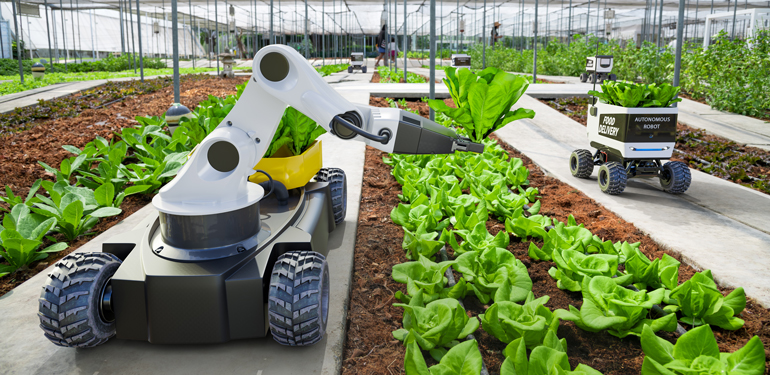
Challenges of Integrating Robotics in Autonomous Transport Systems
The journey towards successful integration of robotics in autonomous transport systems is fraught with a myriad of challenges that need to be addressed to unlock the full potential of this innovative technology. Understanding these obstacles is crucial for stakeholders aiming to create a safe, efficient, and publically accepted transportation network.
One of the most pressing issues is safety. The deployment of autonomous vehicles requires a revolutionary shift in safety protocols. Experts argue that even minor failures can have significant repercussions in high-speed environments. Incidents like the tragic Uber self-driving car crash highlight the need for stringent safety standards and testing procedures. Internally, developers are refining algorithms that dictate how autonomous systems make decisions under stress. Simulators that recreate numerous traffic scenarios are now considered indispensable in training these systems. As companies work towards addressing safety, regulatory bodies must also keep pace by ensuring compliance with updated safety guidelines.
Regulatory hurdles present another major barrier to the implementation of autonomous transport. In the United States, the regulatory landscape is a patchwork of state-specific laws that can vary dramatically. For instance, states like California have taken progressive stances, while others are more hesitant, requiring extensive safety reviews before allowing testing. This inconsistency complicates the ability for companies to deploy autonomous solutions at scale. To navigate this complexity, industry leaders are actively advocating for clearer, more standardized regulations. The establishment of a universal framework could significantly expedite the integration process, ensuring a more uniform approach to public safety and accountability.
Public acceptance remains a critical factor as well. Surveys indicate that consumers are generally skeptical regarding the adoption of autonomous systems, primarily due to safety fears and a lack of understanding. This skepticism can hinder investment and slow down overall progress. Companies have recognized the importance of engaging with the public to clarify the workings of autonomous systems and demonstrate their safety and reliability. Public relations campaigns that include community outreach, demonstrations, and transparent reporting of safety data are essential in building trust. Engaging with public feedback could foster a collaborative relationship between the developers of these technologies and the communities they aim to serve.
Despite these hurdles, there are significant opportunities that arise from the integration of robotics in transportation. With the potential to revolutionize logistics, public transport, and personal mobility, the incentives are too substantial to ignore. For instance, increased efficiency in operations could lead to faster delivery times and reduced congestion. Automated systems can react faster than humans, allowing for optimizations that enhance overall transit fluidity.
Additionally, cost savings are becoming more evident as businesses discover the potential for profit maximization through automation. As companies transition away from traditional operational models, the reallocation of labor resources into more strategic areas could change the landscape of employment in the transport sector. Equally important, enhanced accessibility presents a transformative opportunity for underserved communities, ensuring that mobility remains inclusive and widely available.
Consequently, it is crucial for stakeholders to actively collaborate, addressing the challenges while maximizing the profound opportunities that await. Through continuous innovation and dialogue, the integration of robotics in autonomous transport systems holds the key to a more efficient, safer, and accessible future.
The Integration of Robotics in Autonomous Transport Systems: Challenges and Opportunities
The integration of robotics into autonomous transport systems presents a myriad of opportunities that can significantly enhance transportation efficiency. For instance, smart vehicle technologies can reduce traffic congestion and optimize route planning through real-time data analysis. This ability to dynamically adapt to traffic conditions raises the potential for reduced travel times and enhanced user experience.
Furthermore, the incorporation of robotics can bolster safety in transport systems. Advanced sensor technologies provide vehicles with the capability to detect and respond to environmental changes swiftly, minimizing the risk of accidents. Moreover, autonomous systems can maintain predictable driving behaviors, leading to collective improvements in road safety metrics.
However, the journey toward seamless integration faces substantial challenges. One of the primary concerns is regulatory compliance. Policymakers must evolve alongside technology, creating frameworks that can govern the operation of autonomous vehicles. This area requires collaboration between different stakeholders, including automotive manufacturers, technology developers, and governmental bodies, to establish safe operational standards.
Additionally, public perception remains a considerable barrier. Many potential users express apprehension regarding the reliability and safety of robotic transport solutions. Addressing these concerns through transparent communication and community engagement is vital for fostering trust in these technologies.
As discussions around the implications of robotics in transport systems continue to evolve, it becomes increasingly clear that the dialogue must encompass both the technical and social dimensions of this integration. Investing in research and development while prioritizing public education will be instrumental in overcoming the existing hurdles and fully harnessing the advantages that robotics can bring to autonomous transport.
| Advantage | Description |
|---|---|
| Improved Safety | Robotic systems reduce human error opportunities, leading to fewer accidents. |
| Efficiency and Cost Savings | Autonomous vehicles optimize routes, reduce fuel consumption, and lower operational costs. |
In summary, the integration of robotics in autonomous transport systems carries both challenges and opportunities that necessitate careful consideration from multiple perspectives. By addressing regulatory, technological, and perceptual issues, we can pave the way for innovative transport solutions that improve quality of life and redefine mobility as we know it.
DISCOVER MORE: Click here for additional insights
Opportunities Arising from Robotics in Autonomous Transport Systems
As challenges persist in the integration of robotics in autonomous transport systems, the landscape also brims with remarkable opportunities that could reshape mobility as we know it. These opportunities extend far beyond mere convenience; they promise to redefine economic structures and enhance societal welfare.
Environmental sustainability is one of the foremost advantages of embracing robotics in transport systems. Autonomous vehicles, often designed with efficiency in mind, can significantly reduce carbon emissions compared to conventional vehicles. According to the U.S. Department of Energy, electric autonomous vehicles can achieve a reduction of greenhouse gas emissions by up to 90% when powered by renewable energy sources. This presents a unique opportunity for cities aiming to meet stringent environmental goals by integrating fleets of autonomous shuttles, buses, and delivery vehicles that are electric and optimized for minimal energy usage.
Moreover, data acquisition and analysis stand as vital components that can enhance urban planning and transport logistics. Various autonomous systems can collect immense amounts of data on traffic patterns, environmental conditions, and user behavior. This wealth of data can be harnessed to improve infrastructure, making it smarter and more responsive. For instance, cities can implement smart traffic lights that adjust in real-time based on vehicular flow, potentially decreasing congestion and reducing travel times. Enhanced data analytics capabilities can also facilitate predictive maintenance for vehicles and roadways, leading to lowered operational costs and increased safety.
Collaboration between sectors creates another dimension of opportunity in advancing robotics in autonomous transportation. As automakers, tech firms, and municipalities engage in partnerships, innovations flourish. Companies like Waymo and Ford are already collaborating with cities to pilot autonomous rideshare programs, illuminating the transformative potential of pooling resources and expertise. This multi-sector approach can lead to unprecedented economies of scale and more comprehensive solutions that cater to diverse needs.
The integration of robotics paves the way for new business models to emerge within the transport sector. Rideshare and delivery services are transitioning from traditional models to autonomous fleets, presenting businesses with novel revenue streams. Companies such as Amazon are experimenting with drone deliveries and autonomous ground vehicles, redefining e-commerce logistics. With an increasing demand for quick and efficient delivery solutions, businesses that adapt to incorporate autonomous systems could see substantial market advantages.
Job creation is frequently discussed as a concern with automation, yet it also reveals opportunities for reskilling and the development of new roles suited for an automated landscape. As autonomous systems take over repetitive tasks, there arises a growing demand for specialists in fields such as AI ethics, robotic maintenance, and data analysis. Educational institutions are beginning to respond, offering programs tailored to equip the next generation of workers with the skills necessary to thrive in this evolving industry landscape.
In addition, improved accessibility takes center stage, particularly for individuals with disabilities or the elderly who often face mobility challenges. Autonomous transport systems have the potential to bridge existing gaps in service, allowing for more inclusive transport networks. For instance, companies are developing autonomous shuttles equipped with user-friendly interfaces and safety features designed with vulnerable populations in mind, fostering a more inclusive society.
Thus, while the path to integrating robotics into autonomous transport systems is laden with challenges, the opportunity for innovation and growth is undeniable. By harnessing the full potential of technology, stakeholders can confront existing hurdles and create a new era of transportation that champions efficiency, sustainability, and inclusivity.
DISCOVER MORE: Click here to learn more
Conclusion: Navigating the Future of Autonomous Transport
The integration of robotics into autonomous transport systems presents a complex yet exhilarating frontier filled with both challenges and transformative opportunities. As we stand on the cusp of a new era in transportation, it is essential to recognize the need for robust frameworks that address regulatory, ethical, and safety concerns. Collaboration among industry leaders, policymakers, and communities emerges as a pivotal strategy to overcome these hurdles.
On the brighter side, the potential for environmental sustainability cannot be understated. The shift towards electric autonomous vehicles could significantly reduce our carbon footprint, aligning with national and global efforts aimed at combating climate change. Furthermore, the ability to leverage big data collected by these systems allows for smarter urban planning, enhancing public infrastructure, and streamlining logistics.
Moreover, the rise of new business models, driven by innovations in delivery and rideshare services, suggests that companies willing to adapt will thrive in this evolving landscape. As organizations adopt autonomous technologies, they could unlock new revenue streams while also potentially reshaping job markets through the demand for reskilling and the creation of specialized positions.
As we consider the integration of robotics in autonomous transport, it is vital to keep an eye on the socio-economic impacts, particularly regarding accessibility for underserved populations. By prioritizing inclusivity in design, we can ensure that the benefits of these advancements reach all segments of society.
In summary, while the journey toward fully realizing the benefits of robotics in transport systems is fraught with challenges, the opportunities for enhanced efficiency, sustainability, and societal well-being are compelling. As we move forward, continued dialogue and innovation will be essential in navigating this intricate landscape, leading us towards a future replete with potential.
Related posts:
The Revolution of Industry 4.0: How the Integration of Robotics with Artificial Intelligence is Tran...
Exploring the Ethical Implications of Robotics Integration in AI-Driven Healthcare
The Role of Robotics and Artificial Intelligence Integration in Environmental Sustainability: Innova...
Integrating Robotics with AI for Disaster Response: Innovations and Challenges
How Robotics Integration is Transforming Smart Homes with AI Technology
Robotics and AI in Healthcare: The Integration of Technologies to Improve Patient Care

Beatriz Johnson is a seasoned AI strategist and writer with a passion for simplifying the complexities of artificial intelligence and machine learning. With over a decade of experience in the tech industry, she specializes in topics like generative AI, automation tools, and emerging AI trends. Through her work on our website, Beatriz empowers readers to make informed decisions about adopting AI technologies and stay ahead in the rapidly evolving digital landscape.