Transforming Your Routine: How to Implement Clutter Control in Your Daily Life
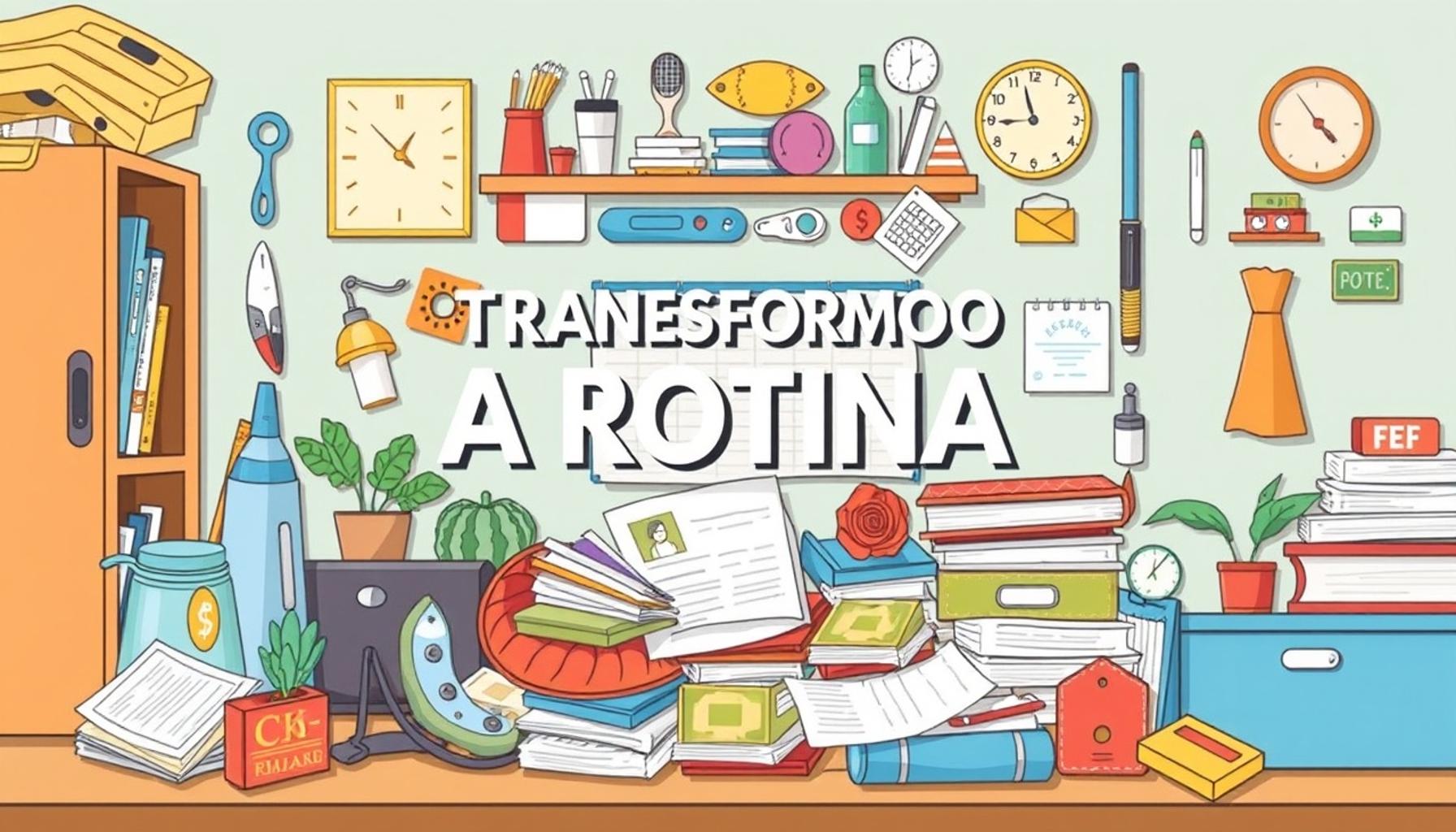
The Overwhelming Nature of Clutter
In today’s fast-paced society, we often find ourselves inundated with belongings that can quickly become overwhelming. Items accumulate in our homes, offices, and personal spaces, manifesting as mess, disarray, and ultimately, clutter. This clutter not only crowds our physical surroundings but can also cloud our minds, leading to feelings of unrest and distraction.
The psychological effects of clutter are significant. Research conducted by institutions such as the Princeton University Neuroscience Institute illustrates that a cluttered environment can hinder your ability to focus. Specifically, when faced with too much visual information, our brains struggle to process and prioritize tasks. This is particularly relevant in a workplace setting where distractions can impede productivity. Additionally, the stress associated with a disorganized environment is backed by numerous studies linking high-stress levels to compromised mental health, including anxiety and depression.
Implementing Strategies for Clutter Control
To combat clutter effectively, implementing strategic methods is crucial. One practical strategy is to create a daily decluttering habit. This doesn’t need to be a daunting task; dedicating just 10-15 minutes each day can make a significant difference. For instance, tackle one small area at a time, like a single drawer or a countertop. By consistently dedicating time to declutter, you will gradually see your space transform.
Another important tactic is to utilize organization tools such as bins and labels. Investing in clear storage bins can help keep similar items grouped together. Labels serve as visual aids that not only streamline the organization but also make it easier to locate items when needed, especially in busy environments like kitchens or offices. For example, label bins for seasonal clothing, hobby supplies, or frequently used kitchen tools to simplify your daily routines.
Furthermore, establishing designated places for frequently used items can drastically reduce clutter. Designate areas for items like keys, mail, or office supplies to develop a habit of returning items to their rightful places. This small change can prevent the overflow of scattered belongings and make your space feel much more organized.
The Road to a Clutter-Free Lifestyle
Embracing a clutter-free lifestyle requires patience and consistency, but the benefits can be profound. By taking small, actionable steps toward clutter control, you not only transform your physical space but also experience a rejuvenation of mental clarity. Moving forward, the subsequent sections will delve deeper into effective methods for decluttering, share inspiring success stories, and provide essential tips to help you find peace and productivity amid the chaos of everyday life. Take the first step to reclaim your space, and explore the myriad advantages of living clutter-free.
DISCOVER MORE: Click here to learn about efficient storage solutions
Practical Methods to Control Clutter
Taking control of clutter can seem like a Herculean task at first, but by adopting a few practical methods, it can be seamlessly integrated into your daily routine. The key is to establish manageable goals and develop habits that will help maintain organization in the long term.
One effective approach is the “One In, One Out” rule. This simple yet powerful guideline states that for every new item brought into your home, another should be removed. This not only helps to curb unnecessary accumulation but also encourages you to evaluate the necessity of items before making a purchase. For those living in a consumer-driven culture like the United States, this method serves as a constant reminder to prioritize quality over quantity. By consciously choosing what you allow into your space, you naturally reduce the likelihood of clutter.
In addition to the One In, One Out method, consider implementing a weekly cleanup schedule. Choose a specific day of the week, perhaps Saturday or Sunday, to dedicate to decluttering. This focused time can become a part of your routine, making it easier to manage your belongings. During this time, you may want to:
- Sort through mail and documents, discarding what is no longer needed.
- Rotate seasonal items such as clothing and decorations, ensuring that only what is relevant for the current season remains out.
- Evaluate kitchen supplies and pantry items, checking for expired products or items that have gone unused.
Another vital strategy is to embrace the power of digital organization. In an age where much of our clutter stems from digital devices, it’s crucial to apply decluttering methods to your virtual spaces as well. Organize files on your computer by using folders, and regularly clean out your inbox. Aim for inbox zero by unsubscribing from newsletters you no longer read, deleting irrelevant emails, and properly filing important ones. This routine not only minimizes digital clutter but also creates a clearer mental space, allowing for more focused work and reduced anxiety.
Furthermore, it’s essential to educate yourself about the concept of minimalism. Adopting a minimalist mindset promotes intentional living by emphasizing the importance of valuing experiences over possessions. This ideology encourages you to focus on what really matters and lets go of attachments to inanimate objects that often create chaos in our lives. Exploring minimalist philosophies through books, podcasts, or online communities can further inspire and guide you in your decluttering journey.
By implementing these strategies, you can take monumental steps toward a more organized and peaceful existence. Small, consistent changes in your habits can lead to substantial improvements in maintaining clutter control in your daily life. In the pursuit of a clutter-free environment, remember that every little effort counts, and the journey to a more serene space begins with just a single step.
| Advantage | Description |
|---|---|
| Enhanced Productivity | By decluttering your space, you will improve focus and ultimately complete tasks more efficiently. |
| Reduced Stress | A cleaner environment leads to a calmer mind, promoting mental clarity and emotional well-being. |
To incorporate clutter control effectively into your daily life, consider starting with small, manageable tasks. For example, dedicate just 10 minutes each day to sorting through items in your home. This method reduces overwhelm while fostering a habit of organization. Additionally, the elimination of unused items invites a refreshing sense of space that encourages you to maintain order.Implementing a structure is also critical. Establish a designated space for everything you own, which makes it easier to track items and reduces clutter accumulation. Utilizing storage solutions, such as bins, shelves, and organizers, helps you stay on top of your belongings without sacrificing style. Each drawer and corner can become an effective organization zone, making your home not only functional but also visually appealing. Moreover, digital clutter can be just as stressful as physical clutter. Organize your digital files and clean out your email inbox regularly. Unsubscribe from unwanted newsletters and delete irrelevant documents to streamline your digital experience. Transforming your routine in this way will not only lighten your physical surroundings but also enhance your online management skills, leading to an overall improved quality of life.
DISCOVER MORE: Click here to learn about decluttering essentials
Building an Effective System for Sustained Organization
To effectively implement clutter control in your daily life, having a well-structured system is essential. This goes beyond occasional cleaning sessions and encompasses a comprehensive plan that involves habit formation and strategic organization.
Start by establishing designated spaces for every item in your home. This means creating a specific home for your keys, mail, clothes, and kitchen utensils, so it’s easy to find and put things away. The idea is to utilize space efficiently. For instance, in your kitchen, consider installing drawer dividers or lazy Susans for spices and condiments. This not only improves accessibility but also encourages regular maintenance. With everything having a defined place, it becomes easier to avoid unnecessary clutter since you’ll quickly notice when an item is out of place.
Next, consider adopting a “Daily 10-Minute Declutter” routine. Set aside just ten minutes each day—perhaps first thing in the morning or right before bedtime—dedicated to tidying up. Use this time to tackle a specific area or category of items, such as your desk, counters, or closets. This practice builds a habit of regular decluttering without overwhelming you. Over time, those ten minutes will accumulate into meaningful progress that contributes to a more organized environment.
In conjunction with daily habits, consider the value of maintaining a clutter log. Documenting what items you frequently find problematic can illuminate patterns in your purchasing and organizational behavior. For example, if you notice that books are piling up without being read, it may be time to rethink your buying habits, or perhaps even establish a community book exchange. Keeping a log can provide insight into areas that need improvement and can motivate you to be more mindful in the future.
Another effective technique is the Four-Box Method. This method involves utilizing four boxes labeled “Keep,” “Donate,” “Trash,” and “Undecided.” As you declutter, place each item into one of these boxes. This not only makes decision-making easier but also helps reduce the mental burden associated with clutter. According to organizational experts, this method cultivates a decisive mindset, fostering the ability to make faster decisions about items that may otherwise linger in uncertainty.
Moreover, integrating technology into your clutter management strategy can maximize efficiency and help streamline your daily routine. There are numerous apps designed for organization, such as Todoist for task management, Trello for project planning, and even camera apps for keeping a digital inventory of your belongings. Using these tools can enhance productivity and provide you with a real-time view of your organizational status.
Community involvement can also play a significant role in successfully maintaining a clutter-free life. Hosting a garage sale or a swap meet encourages you to let go of items that are no longer serving you while allowing others to find joy in your previously loved possessions. Local charities often welcome donations, which can provide an emotional boost to the decluttering process by knowing your unwanted items can benefit someone in need.
By establishing a systematic approach to clutter control, you can transform your daily life into a more peaceful and organized experience. Each method offers unique benefits, and combining them can create a well-rounded strategy that promotes long-term success in managing clutter. Remember, the objective is not perfection, but rather steady progress towards a more intentional and clutter-free existence.
DIVE DEEPER: Click here to learn more about efficient storage solutions
Conclusion
Embracing clutter control can dramatically transform your daily routine, not only by enhancing the physical spaces you inhabit but also by fostering a more peaceful state of mind. As you integrate the strategies discussed—such as establishing designated spaces, maintaining a Daily 10-Minute Declutter routine, and applying the Four-Box Method—you will develop habits that can lead to sustained organization without the overwhelm that often accompanies tidying up.
In your journey towards an organized life, remember that it’s not about achieving perfection overnight. It’s a continuous process where small, consistent actions yield significant results over time. Keeping a clutter log can deepen your understanding of your habits, prompting you to make conscious decisions about your belongings. Furthermore, incorporating technology in your organization strategy can streamline your process, allowing for efficient tracking and management of your items.
Lastly, engage your community through donating and sharing. The act of giving not only clears out your spaces but also strengthens connections, creating a cycle of generosity that benefits everyone involved. By viewing clutter control as a transformative practice rather than a chore, you can cultivate a serene atmosphere in which you can thrive.
Take the first step today—your future self will thank you for creating a welcoming, organized haven. Dive deeper into these strategies and discover how a clutter-free lifestyle can lead you toward enhanced focus, peace of mind, and ultimately, a more fulfilled life.