Transform I Cant Thoughts into Im Still Learning Mindset
Embracing the Power of a Growth Mindset
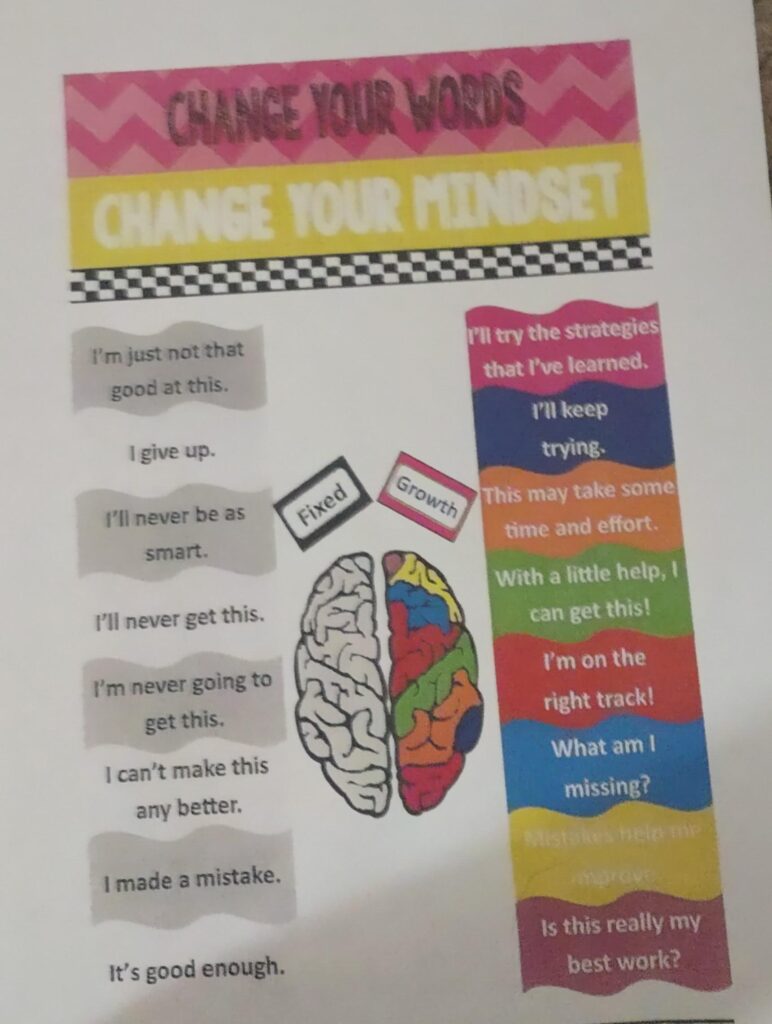
In a world where challenges often feel overwhelming, the way we frame our thoughts can significantly impact our journey. The transition from I can’t to I’m still learning is more than just a change in language; it’s a transformational shift in perspective. This mindset opens doors to endless possibilities and personal growth, particularly in our rapidly evolving society. By adopting this approach, we not only reshape the way we perceive our abilities but also cultivate a deeper understanding of our ongoing development.
Consider how adopting a learning mindset can redefine experiences:
- Improved Resilience: Facing setbacks becomes easier when you view them as learning opportunities. For example, a student who fails an exam might see it as a chance to identify weak areas and improve rather than as a definitive measure of intelligence. This resilience allows them to bounce back and perform better in future assessments, creating a pathway to academic success.
- Increased Motivation: Keeping a growth mindset inspires ongoing effort and persistence. Individuals who engage in sports illustrate this well. Athletes often experience repeated failures before achieving their goals, whether it’s in mastering a tricky maneuver or winning a championship. Their intrinsic motivation to improve propels them forward, proving that tenacity can lead to mastery over time.
- Enhanced Problem-Solving: Embracing challenges encourages creative solutions instead of avoidance. In corporate environments, for instance, employees encouraged to think of problems as opportunities often devise innovative products or processes. Tech companies like Google and Apple thrive on this principle, fostering environments where employees can suggest out-of-the-box ideas without the fear of judgment.
This concept isn’t merely psychological insight; research suggests that individuals who cultivate a learning orientation outperform those with fixed notions about their abilities. Studies consistently indicate that this mindset is linked to greater achievement in various fields, including education and business. The importance of shifting our inner dialogue cannot be overstated. By recognizing that every failure is a stepping stone, we empower ourselves to navigate new endeavors with confidence and grace.
Furthermore, this mentality is not just beneficial individually; it can create a culture of growth within teams and organizations. When group members adopt a common belief in improvement and learning, collaboration flourishes, leading to enhanced overall performance.
Join us as we delve deeper into practical strategies that can help you transform limiting thoughts into fuel for growth. Techniques such as setting specific, measurable goals and surrounding yourself with a supportive community can greatly enhance your growth journey. Navigate the path from self-doubt towards a vibrant journey of continuous learning and development, discovering the resilience and innovation that a growth mindset can offer.
SEE ALSO: Click here to read another article
Unlocking the Path to Personal Growth
The journey from I can’t to I’m still learning is a nuanced evolution that relies on a willingness to pivot our perspective. It begins with recognizing the societal pressures that often shape our self-doubt. For instance, in the education system, students are constantly assessed and compared, leaving many feeling inadequate when they encounter difficulties. However, the shift in how one perceives these challenges can dramatically affect both performance and personal satisfaction.
What does it mean to embrace a learning mindset? Here are some key aspects to consider:
- Accepting Discomfort: Engaging with new concepts or skills often invokes discomfort and uncertainty. Instead of shying away, individuals can lean into these feelings, realizing they are signs of growth. For example, a parent learning to help their child with math homework might feel frustrated at first. Acknowledging this discomfort as a natural part of the learning process can help them persist and eventually understand the concepts.
- Recognizing Progress: Celebrating small victories can reinforce the idea of progress over perfection. In the workplace, for example, employees should take time to reflect on previous achievements, no matter how minor they may seem. This practice of self-reflection encourages a continuous loop of improvement and acknowledges that learning takes time.
- Adopting an Experimental Approach: Viewing life as a series of experiments opens up a treasure trove of potential experiences. Whether it’s trying a new recipe in the kitchen or launching a new marketing campaign, these experiments can yield valuable insights. Embracing this ethos helps individuals understand that failures are merely data points that inform future decisions.
Moreover, research underscores the significance of adopting a growth mindset. Studies from Stanford University psychologist Carol Dweck demonstrate that students who view their abilities as expandable rather than fixed significantly outperform their peers who do not. This academic foundation validates that modifying our internal dialogue can lead to tangible benefits, prompting us to challenge limiting beliefs.
Beyond the personal realm, cultivating a culture that fosters a learning mindset can greatly impact teams and organizations. Companies like Amazon have embedded this approach into their philosophy by encouraging employees to fail fast and learn quickly. This not only nurtures an innovative atmosphere but also transforms setbacks into stepping stones towards future success.
As we delve deeper into this discourse, consider how shifting from a mindset of limitation to one of growth can alter your life experiences. By implementing practical strategies, such as setting progressive targets and surrounding yourself with individuals who champion your growth, the pathway from self-doubt to self-discovery can become clearer.
| Category | Description |
|---|---|
| Growth Mindset | Adopting a growth mindset allows individuals to view challenges as opportunities for development and self-improvement. |
| Increased Resilience | Embracing ‘I am still learning’ fosters resilience, helping individuals to bounce back from setbacks and minimize discouragement. |
| Enhanced Problem-Solving Skills | Shifting from ‘I can’t’ to ‘I haven’t yet’ promotes creative thinking and opens pathways to innovative solutions. |
| Greater Confidence | Understanding that skills can be developed gradually increases an individual’s confidence to tackle new challenges. |
Shifting from a fixed mindset characterized by the phrase “I can’t” to a growth-oriented “I am still learning” approach has profound implications for personal and professional development. This transformation encourages individuals to view challenges not as barriers but as stepping stones to new skills and experiences. By cultivating a resilient attitude, individuals become more adept at handling life’s ups and downs, learning to see failures as integral to their growth journey. Furthermore, adopting this mindset fosters not only enhanced problem-solving abilities but also greater confidence in pursuing new ventures. In this dynamic process, individuals discover that they are on a continuous learning path that enriches both their personal and professional lives. Engaging in this mindset shift can create a ripple effect, inspiring others and potentially making a larger impact within professional teams and communities alike.
CHECK OUT: Click here to explore more
Navigating Life’s Obstacles Through Learning
Shifting from an I can’t mindset to one that embraces I’m still learning is not merely a personal decision; it can be a transformative collective experience. To fully understand this transition, we must explore how it impacts various aspects of life, from education to personal relationships and beyond.
To start, consider the role of community support. Engaging in environments that celebrate growth and learning allows individuals to feel less isolated in their struggles. Support networks, such as study groups or professional mentorships, can create rich soil for growth. For example, a graphic designer new to branding can thrive when working alongside more experienced peers who share insights and feedback. This collaborative learning process not only builds skills but fosters resilience, transforming setbacks into opportunities for connection and teamwork.
Moreover, societal narratives around success often glorify immediate results. In reality, learning is a gradual process that requires patience. Research indicates that developing expertise in a particular area typically takes about 10,000 hours of practice, as popularized by Malcolm Gladwell. This statistic serves as a reminder that excellence is cultivated over time and often involves trial and error. Engaging with a growth mindset means granting ourselves permission to take the time necessary to learn without prematurely labeling ourselves as failures.
Another aspect imperative to this transformation is the power of positive self-talk. The language we use when we speak to ourselves significantly shapes our beliefs and actions. By consciously replacing negative self-statements with empowering affirmations—such as “I am gaining skills every day” or “I can improve with practice”—individuals can rewire their brain’s cognitive pathways, making it easier to adopt the I’m still learning mentality. Cognitive behavioral therapy (CBT) has been effective in assisting people to develop healthier thought patterns, contributing to improved mental health and well-being.
Additionally, the idea of a lifelong journey of learning resonates with many successful individuals in various fields. For instance, actors such as Denzel Washington and Jennifer Aniston openly discuss the continual effort and training they invest in honing their craft, embracing the notion that they, too, are always evolving. These public figures exemplify that achieving mastery is an ongoing process, which aligns with the learning mindset. Their stories serve as inspiration for those feeling stuck in an I can’t frame of mind.
Finally, consider the implications of failure on personal and psychological levels. Studies show people who welcome mistakes as part of their growth tend to demonstrate greater creativity and resilience. This is particularly evident in the tech industry, where companies like Google encourage employees to take risks and view failure as a launchpad for innovation. This cultural approach helps shift the focus from fear of failure to excitement over potential learning experiences. In turn, it redefines workplace dynamics, leading to a culture rich with imagination and resourcefulness.
Transitioning to an I’m still learning mindset opens doors not only for personal growth but also fosters a more compassionate and understanding society. As more individuals recognize that growth is a journey rather than a destination, they contribute to a culture that values effort, curiosity, and continuous development. Embracing this mindset can illuminate the path toward unlocking potential in both oneself and others.
CHECK OUT: Click here to explore more
Embracing Growth: The Journey from “I Can’t” to “I’m Still Learning”
In conclusion, transforming I can’t thoughts into an I’m still learning mindset is not only a personal journey but a crucial step toward creating a more resilient and innovative society. The transition allows individuals to embrace challenges, recognize that learning is a continuous process, and understand that failures are stepping stones rather than dead ends. By fostering a supportive environment that celebrates collective growth, communities can encourage self-improvement while reducing the stigma associated with setbacks.
Data shows that by utilizing strategies like positive self-talk and surrounding ourselves with mentors and peers, we can reshape our inner narratives to emphasize learning over limitation. This shift is essential in today’s fast-paced world, where adaptability and lifelong learning are more relevant than ever. The stories of prominent figures who attribute their success to ongoing education can inspire us all to adopt a mindset of curiosity and exploration.
Ultimately, recognizing that mastery is a journey empowers individuals to approach life with an open heart and mind, ready to embrace each experience as an opportunity for growth. As we collectively pursue this learning mindset, we can build a culture that values resilience, creativity, and the profound understanding that no one is ever truly done learning. The investment in this perspective not only enhances personal development but cultivates a more compassionate society, fostering relationships based on understanding and shared experiences.
Related posts:
Overcome Internal Resistance How to Change Habits Successfully
Transform Limiting Beliefs Techniques to Foster Empowering Beliefs
Strategies to Transform Limiting Beliefs into Constructive Thoughts
Strategies to Overcome the Fear of Others Judgment Effectively
How to Manage Anxiety from High Goals Effective Strategies Explained
Master Self-Sabotage Breathing Techniques Mindfulness Tips

Linda Carter is a writer and growth mindset specialist with expertise in cognitive development and resilience training. With extensive experience helping individuals transform limiting beliefs and unlock their potential, she shares practical mindset strategies on our platform. Her goal is to empower readers with science-backed techniques to cultivate adaptability, embrace challenges, and achieve continuous personal and professional growth.