The Psychology of Minimalism: How Efficient Storage Reduces Stress and Clutter

Understanding the Psychological Impact of Minimalism
In a world dominated by speed and abundance, where digital notifications jostle for our attention, the practice of minimalism offers a dose of clarity. Stress often arises from chaotic surroundings, and this is where minimalistic principles come into play, advocating for simplicity and intentionality. The shift towards minimalism can result in a profound transformation of both our physical spaces and our mental landscapes, leading to healthier lifestyles and greater overall wellness.
Why Minimalism Resonates with Many
The psychological nuances behind minimalism extend beyond mere aesthetics; they delve into our fundamental need for order and simplicity. The following benefits highlight why many find solace in minimalist lifestyles:
- Reduced Anxiety: Numerous studies have shown that clutter can significantly impact our mental health. A disorganized environment can lead to feelings of helplessness and conflict, heightening anxiety levels. Conversely, minimalism encourages a serene atmosphere, which can soothe the mind.
- Enhanced Focus: Clarity in your surroundings often leads to clarity of thought. For instance, a clean desk can help students or professionals concentrate better, ultimately boosting productivity. A 2011 study released by the Princeton University Neuroscience Institute found that clutter can inhibit our ability to focus, whereas organized spaces enhance cognitive function.
- Improved Mood: Decluttering our spaces can have a liberating effect on our emotions. Research suggests that happiness can be derived from a sense of control and accomplishment that usually follows a decluttering session. A minimalist environment can contribute to a calm atmosphere, leading to a more positive mindset.
Studies further indicate that minimalism helps individuals prioritize their values. By letting go of excess, participants report higher emotional resilience and improved overall well-being, navigating life’s challenges with greater ease.
Practical Steps to Get Started
Choosing to embrace minimalism is not synonymous with deprivation; it’s about cultivating a more fulfilling and intentional existence. Here are practical steps to ease into this transformative journey:
- Assess Your Space: Begin by taking a critical inventory of your belongings. Identify clutter hotspots, such as drawers overflowing with unused gadgets or surfaces covered with unorganized items. This evaluation will provide insight into what you genuinely need.
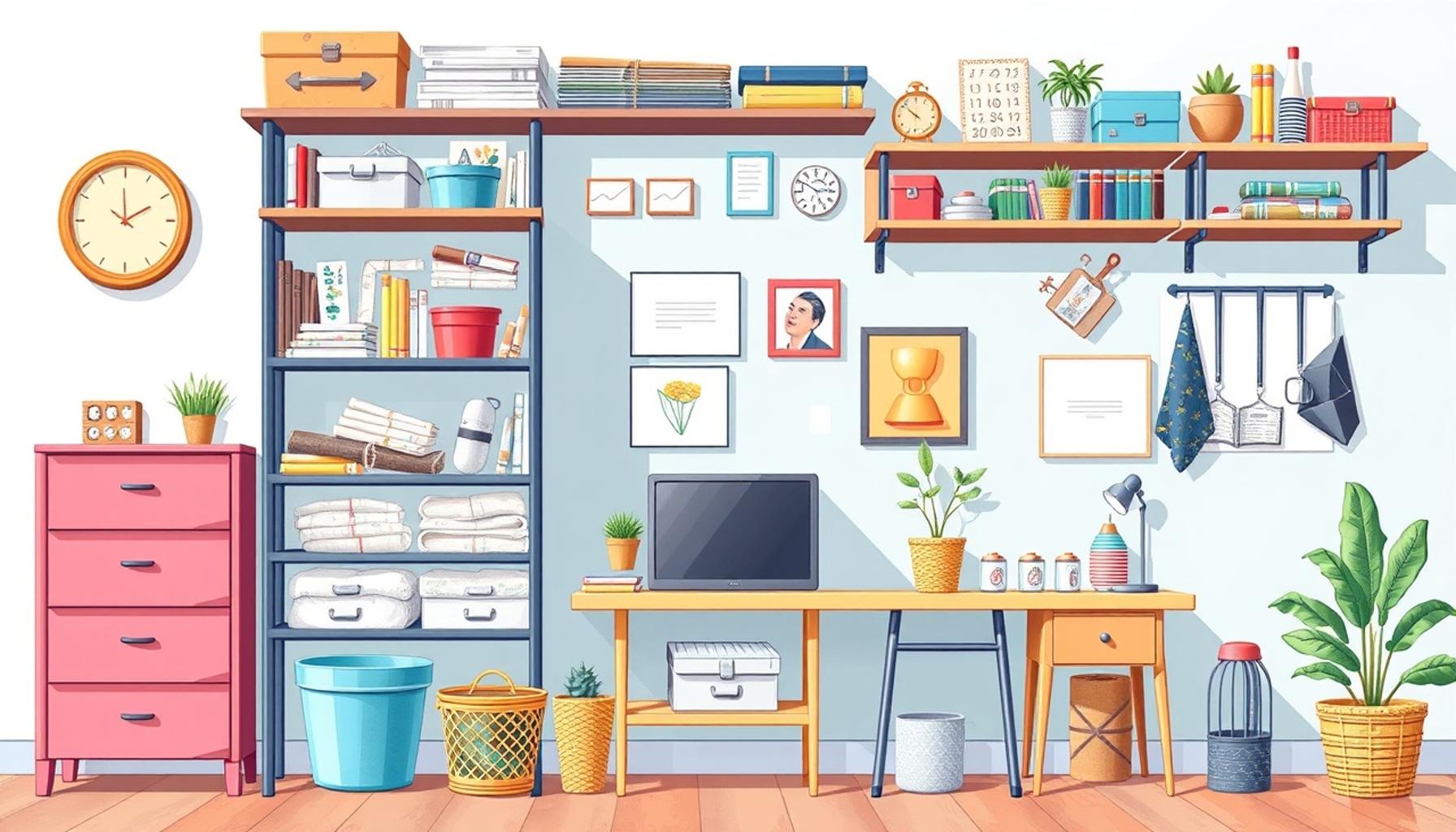
- Implement Storage Solutions: Invest in multifunctional furniture or effective organizers to create efficient storage options. For example, using stylish bins, shelves, or an attractive console table can help reduce visual chaos while maintaining aesthetic appeal.
- Establish Decluttering Routines: Transform decluttering from a one-time event into a habit. Setting aside 15 minutes a day for tidying can make a significant difference over time. Consider designating specific days of the month to review your belongings and keep your space organized.
As we delve deeper into the principles of minimalism, it becomes evident that this lifestyle choice fosters not only physical clarity but also a rich psychological landscape. Embracing minimalism can lead to an enriched life, filled with purpose and peace, encouraging individuals to elevate their mental and emotional health by prioritizing what truly matters.
DISCOVER MORE: Click here to learn about efficient storage solutions
The Transformative Power of Decluttering
As individuals navigate the complexities of modern life, many find themselves surrounded by an overwhelming amount of possessions. This excess can lead not only to physical clutter but also to a cluttered mind. The psychology of minimalism posits that by intentionally simplifying our environments, we can free ourselves from the mental burdens that come with chaos. The clarity that emerges from an organized space allows individuals to focus on what genuinely matters in their lives, fostering both emotional well-being and productivity.
Understanding Clutter and Its Effects
Clutter serves as more than just an eyesore; it can significantly impact our mental and emotional states. When our environments are disorganized, we may experience:
- Cognitive Overload: A cluttered space bombards the brain with excessive stimuli, making it difficult to concentrate. A study from the UCLA Research Team revealed a strong correlation between a chaotic home environment and increased anxiety levels.
- Reduced Creativity: Creative thinking often flourishes in environments that foster inspiration and tranquility. Clutter can stifle creativity by creating distractions and impairing cognitive function.
- Feelings of Overwhelm: The sheer volume of items can lead to analysis paralysis, causing stress and frustration when trying to maintain order. The inability to find space for new ideas or experiences can be emotionally stifling.
Recognizing these detrimental effects highlights the necessity of adopting minimalistic principles, not solely for aesthetic improvements but as a strategy for healthier living. By consciously choosing to embrace less, individuals can cultivate a more harmonious relationship with their surroundings.
The Role of Efficient Storage in Stress Reduction
Efficient storage plays a crucial role in achieving a minimalist lifestyle. When items are organized thoughtfully and intentionally stored, the experience of navigating one’s space shifts dramatically. Here are some key advantages of implementing efficient storage solutions:
- Instant Gratification: A well-organized space provides immediate visual relief. Finding a specific item quickly, without sifting through clutter, can foster a sense of control and accomplishment.
- Long-term Habits: With dedicated spots for all belongings, the likelihood of items accumulating in unwanted areas diminishes. This promotes a culture of tidiness that can lead to sustained reduced stress over time.
- Aesthetic Appeal: Beyond functionality, efficient storage solutions can enhance the visual appeal of a space. Organized, attractive environments can lead to feelings of satisfaction and joy.
In essence, the integration of efficient storage can lead to a holistic transformation, supporting emotional health while simultaneously cultivating a space of peace. The following sections will explore actionable strategies for implementing these principles into daily life, providing readers with the tools necessary to embark on their own minimalist journey and ultimately reap the psychological benefits.
As we delve deeper into the subject of The Psychology of Minimalism, it’s essential to understand the profound influence of efficient storage on our mental well-being. By adopting minimalist principles, individuals often find that a streamlined living or working environment contributes significantly to reducing feelings of overwhelm and anxiety. Clutter, both physical and mental, can act as a barrier to productivity and peace of mind. Efficient storage solutions can aid in combating this clutter, leading to a calmer and more organized life.
Organizational systems that prioritize functionality over decoration allow for easier access to belongings, minimizing the time spent searching for items. This not only promotes a sense of control but also enhances focus, as distractions are minimized. The link between cluttered environments and increased stress levels has been substantiated by various studies, indicating that a tidy space can equate to a tidy mind.
Moreover, the act of decluttering itself can serve as a therapeutic practice, encouraging individuals to reflect on their possessions and make mindful choices regarding what to keep. This process fosters a sense of empowerment, as people reclaim their space and eliminate the unnecessary, transforming their environment into one that promotes tranquility.
Incorporating sustainable storage solutions—such as multifunctional furniture or digital organization methods—can further enhance the minimalist lifestyle. These approaches not only facilitate efficient use of space but also align with the growing trend of sustainability, appealing to those who are environmentally conscious.
| Category 1 | Category 2 |
|---|---|
| Reduction of Overwhelm | Creates a mentally freeing environment allowing for improved focus |
| Empowerment Through Decluttering | Encourages personal growth and active decision-making about possessions |
In essence, embracing the psychology of minimalism not only streamlines physical spaces but also cultivates a harmonious state of mind. This practice challenges the notion that happiness is derived from abundance, promoting instead the idea that less truly can be more.
DIVE DEEPER: Click here to discover the art of decluttering
Creating a Calmer Environment Through Minimalism
A minimalist approach is not just about decluttering physical space; it also encompasses creating an inviting atmosphere that promotes relaxation and mindfulness. Research indicates that our environments profoundly shape our emotional experiences. According to a study published in the Journal of Environmental Psychology, engaging with well-organized environments can lower stress levels and enhance overall happiness. In this context, efficient storage becomes a vital tool for cultivating that serene ambiance.
Spatial Awareness and Emotional Clarity
Efficient storage solutions not only alleviate clutter but also contribute to a heightened sense of spatial awareness. By carefully considering the placement of items, individuals can create a flow that encourages ease of movement and interaction within the space. This fluidity can be especially beneficial in homes where families and shared spaces are common. For instance, incorporating modular furniture with hidden storage can maximize functionality without compromising aesthetics. The result is less time spent searching for belongings and more time engaged in meaningful activities.
Mindfulness and the Minimalist Mindset
Adopting a minimalist lifestyle fosters a mindset of mindfulness. When individuals are intentional about their belongings and how they are stored, they begin to cultivate a deeper appreciation for the items that truly add value to their lives. Practices such as the “one-in, one-out” rule can reduce the impulse to accumulate unnecessary possessions. Keeping storage systems visible yet organized encourages individuals to remain mindful of what they own, psychologically fortifying the sense that each item serves a purpose. Furthermore, being selective about possessions can foster gratitude, reinforcing a more positive outlook on life.
Knowledge Sharing and Community Engagement
Sharing efficient storage strategies within communities can create an inclusive culture of minimalism. Workshops or community events promoting decluttering tips not only empower individuals to reduce their clutter but also foster connections among participants. Neighborhood exchanges, where individuals can trade or contribute items they no longer need, can further minimize waste and maximize efficiency in storage. This cultivates a collective mindset of sustainability and support, showcasing the power of minimalism as a social movement as well as a personal one.
Impact of Modern Technology on Clutter Reduction
In the age of technology, many innovative storage and decluttering tools have emerged to support the minimalist philosophy. Apps designed to track possessions or to help schedule periodic decluttering sessions become invaluable resources for those transitioning into minimalism. Furthermore, digital storage solutions, such as cloud services, facilitate the reduction of physical documents and memorabilia—transforming once cluttered spaces into streamlined environments. This intersection of technology and minimalism allows for easy access to important information without needing to keep excessive physical items.
As individuals embrace efficient storage principles, they begin to understand that minimalism is more than just a trend; it’s a lifestyle transformation that promotes emotional well-being while reducing stress and clutter. Through practical applications and awareness, minimalism can be fully integrated into everyday life, paving the way for clarity in both space and mind.
DISCOVER MORE: Click here to learn about efficient storage solutions
Conclusion: Embracing Minimalism for a Stress-Free Life
In an increasingly fast-paced world, the psychology of minimalism serves as a beacon of clarity and calm. By effectively managing our spaces through efficient storage solutions, we unearth a powerful tool for stress reduction and mental clarity. The correlation between clutter-free environments and emotional well-being cannot be overstated; as noted in various studies, organized spaces contribute significantly to improved mood and lower anxiety levels.
Furthermore, the journey towards a minimalist lifestyle is not merely about discarding physical items but involves cultivating a mindful approach to our possessions. Engaging in intentional organization fosters appreciation for the things we truly value, and tools that allow us to digitize our memories and essential documents streamline our lives. As we adopt these practices, we encourage a habit of gratitude and reflection, transforming our homes into sanctuaries of peace.
In addition, the power of community in this movement mustn’t be overlooked. Sharing storage strategies and experiences can strengthen bonds among individuals, fostering a culture of sustainability and support. Workshops, exchanges, and social media platforms are creating spaces for knowledge sharing that propel us all toward a more minimalist ethos.
Ultimately, embracing minimalism offers a profound shift in perspective—one that champions simplicity, reduces stress, and optimizes our living spaces. As we navigate this transition, the challenges we face become opportunities for growth, leading to a fulfilling life characterized by tranquility and intentionality. Explore the minimalism movement further, and discover the transformative potential that awaits in a simpler, yet richer existence.