Sustainable Minimalism: Eco-Friendly Efficient Storage Solutions for a Clutter-Free Life
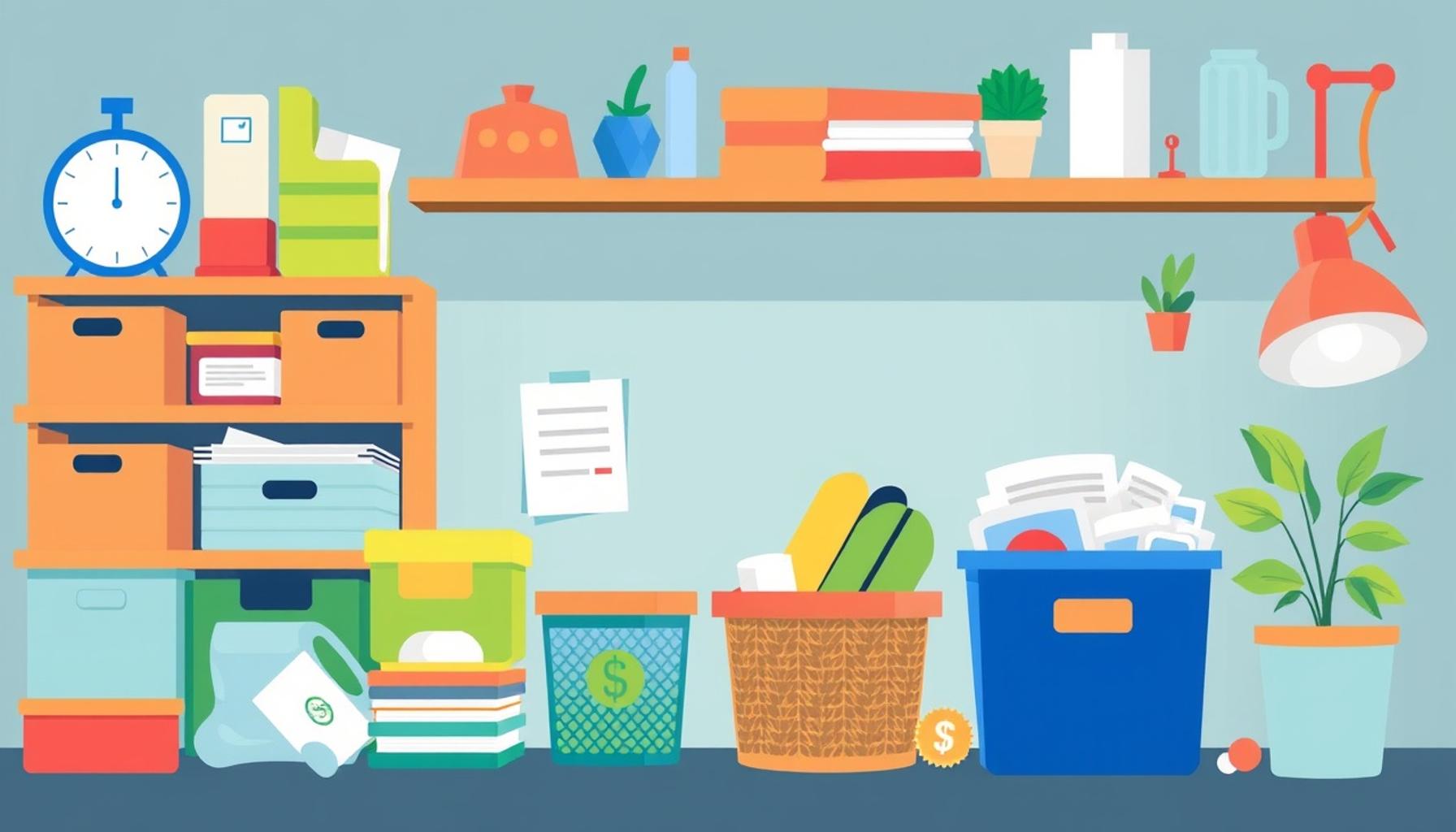
Understanding the Benefits of Sustainable Minimalism
The modern world is increasingly characterized by rapid consumerism, leading to significant accumulation of waste and clutter. According to the Environmental Protection Agency (EPA), Americans generated approximately 292.4 million tons of waste in 2018, revealing an urgent need for a shift in mindset toward sustainability. This is where adopting a clutter-free lifestyle aligns with eco-conscious practices, presenting a compelling case for sustainable minimalism.
By embracing this lifestyle, you focus on making conscious decisions about the items you bring into your home. This not only aids in creating a serene living space but also supports environmental health. Each choice you make contributes to a larger movement of responsible consumption that can lessen your ecological footprint. For example, opting for items crafted from recycled materials can significantly reduce pollution and waste. Beyond mere aesthetics, integrating these choices into your daily life promotes a deeper connection to your belongings and the environment.
Eco-Friendly Materials
- Recycled Options: Look for furniture and decor made from recycled plastics and metals. Brands like Fjällräven utilize recycled materials for their bags, which not only look good but also lessen the demand for virgin resources.
- Biodegradable Choices: Seek out items made from natural fabrics such as organic cotton or hemp, which after their lifecycle, do not contribute to landfill issues like synthetic fabrics do.
- Sustainable Sourcing: Invest in furniture made from sustainably managed timber sources. The Forest Stewardship Council (FSC) certification can guide you in selecting high-quality pieces that are also eco-friendly.
Multi-Functional Furniture
In today’s compact living spaces, embracing multi-functional furniture is not only practical but essential. For instance, a sofa bed allows for accommodating guests without sacrificing space. Multi-tiered storage systems combine shelving with secret compartments to effectively utilize vertical space. Investing in these versatile pieces can massively transform how you experience your living area, reducing clutter while promoting organization.
Creative Organization
Going beyond traditional organizing methods, consider adopting innovative solutions for maximizing small areas. Wall-mounted shelves, under-bed storage containers, and multifunctional kitchen islands can make a substantial difference. These creative ideas help you systematically categorize and store your items, enhancing both functionality and aesthetics in your space.
Importantly, embracing a sustainable minimalism approach exemplifies a commitment to reducing waste. It encourages individuals to rethink their consumption habits and opt for quality over quantity, ultimately contributing to a less cluttered and more sustainable environment. When you take actionable steps towards sustainability, like reducing clutter or choosing eco-friendly products, it fosters a deeper appreciation for your space and its contents.
This exploration of eco-friendly efficient storage solutions and sustainable minimalism underscores the potential for positive change. By redefining your approach to the items you keep and how they coexist in your living space, you embark on a journey towards a more beautiful, organized, and sustainable home. Let this be an invitation to investigate how simple changes can yield profound benefits, not only for your personal environment but for the planet as a whole.
DISCOVER MORE: Click here to learn the secrets of efficient storage
Essential Eco-Friendly Storage Solutions
As the premise of sustainable minimalism gains traction, individuals are recognizing the importance of examining their storage solutions through an eco-conscious lens. In a time when our living spaces often reflect a whirlwind of consumer choices, reevaluating how we organize our belongings is essential for cultivating a clutter-free life. This journey toward efficiency can begin with simple yet innovative storage solutions that not only declutter your home but actively contribute to a healthy planet.
Smart Storage Options
One of the cornerstones of sustainable minimalism is adopting smart storage solutions that maximize space without compromising the environment. Consider incorporating the following strategies to not only streamline your living areas but also minimize your ecological impact:
- Stackable Bins: These versatile containers reduce the amount of plastic used in packing while providing an efficient way to group similar items. Look for bins made from recycled materials to further lessen your carbon footprint.
- Modular Furniture: Pieces like modular shelving systems or units that can be combined in various configurations allow for personalized setups. These often come from companies that prioritize sustainable sourcing and materials.
- Underutilized Spaces: Don’t forget to explore often-overlooked storage areas such as under staircases or in attic spaces. Utilizing eco-friendly storage solutions like reclaimed wood crates can enhance the aesthetics of these areas while performing their intended function.
Digital Detox for a Sustainable Life
The storage of digital clutter is also a vital component of sustainable minimalism. As our lives become increasingly intertwined with technology, hard drives, cloud storage, and digital applications often accumulate unnecessary data and files. Conducting an annual digital detox not only clears online unnecessary files but also promotes responsible data management practices. By minimizing digital waste, you contribute to a reduction in energy consumption associated with server storage and data centers.
Environmentally-Friendly Packing and Moving
When it comes time to move, using packaging made from recycled or biodegradable materials can greatly impact your ecological footprint. Instead of traditional packing peanuts or bubble wrap, opt for solutions like crumpled paper, biodegradable packing peanuts, or cardboard boxes that can easily be recycled. Furthermore, consider borrowing packing supplies from friends or neighbors to reduce waste associated with purchasing new materials.
Implementing these eco-friendly storage solutions not only fosters a sustainable lifestyle but also offers an environment where peace of mind can thrive. Creating intentional living spaces through sustainable practices encourages less clutter and more mindful consumption. As you explore efficient storage options, remember that each decision you make contributes to a larger mission of environmental stewardship, making both a personal and global difference.
| Advantages | Description |
|---|---|
| Space Optimization | Maximizes living space through strategic storage solutions. |
| Eco-Friendly Materials | Utilizes sustainable materials, reducing environmental impact. |
Adopting sustainable minimalism provides profound advantages for both living spaces and the planet. Space optimization is a significant benefit, as individuals employ creative storage solutions to reduce clutter, fostering a serene environment that enhances both productivity and tranquility. This transition toward a more organized lifestyle often leads to a greater sense of well-being and mental clarity.Additionally, the commitment to using eco-friendly materials in storage solutions highlights a growing awareness of environmental sustainability. By opting for products made from recycled or sustainably sourced materials, consumers not only contribute to a healthier planet but also inspire others to embrace eco-conscious choices in daily life. This synergy between personal space and environmental responsibility shapes a movement that prioritizes lasting impact over fleeting trends, encouraging a mindful approach to consumption and lifestyle.
DISCOVER MORE: Click here to learn about effective storage solutions
Integrating Sustainable Practices into Daily Life
To fully embrace sustainable minimalism, it’s crucial to weave eco-friendly practices into the fabric of your daily life. Achieving a clutter-free environment doesn’t merely depend on physical storage solutions; it also involves the habits that govern how items come into and out of our homes. By implementing thoughtful organizational methods, you can cultivate a lifestyle that values quality over quantity and fosters deeper connections with the possessions you keep.
Multi-Functional Items
In the quest for efficiency and sustainability, opting for multi-functional items can significantly reduce clutter. Look for furniture or equipment that serves more than one purpose, such as a coffee table that doubles as storage or a bench that provides seating while housing blankets and toys inside. This strategy not only minimizes the number of individual pieces in your home but also contributes to a more cohesive and stylish design. Many eco-conscious brands are now prioritizing sustainability, creating products from recycled materials that further diminish your impact on the environment.
Second-Hand and Upcycling
When seeking out storage solutions, consider embracing the world of second-hand purchases or upcycling projects. Shopping at thrift stores or flea markets allows you to discover unique items that add character to your home while reducing waste. Upcycling old furniture into stylish storage options can not only save money but also build a sense of fulfillment as you breathe new life into forgotten pieces. For instance, transforming an old wooden ladder into a decorative display shelf or using crates as trendy storage units can breathe creativity into the mundane.
Labeling and Organized Systems
An organized system is essential to maintaining a clutter-free environment, especially in shared spaces. Using biodegradable labels can help you categorize and quickly access your belongings without contributing further waste. By categorizing items like toys, office supplies, or seasonal clothing, you’re more likely to know what you own and what you truly need. This practice fosters mindfulness around consumption, encouraging you to assess whether new purchases are necessary when you recognize the abundance already present in your home.
Repurposing Natural Materials
In your pursuit of sustainable minimalism, don’t overlook the potential of natural materials for storage solutions. For instance, using jute, cotton, or bamboo baskets not only enhances aesthetics but also embraces eco-friendly principles. These materials are biodegradable, and opting for them over synthetic options can drastically lower your carbon footprint. Aesthetically pleasing, natural storage solutions can serve as decor elements while also keeping your items neatly tucked away.
While transitioning to sustainable storage solutions may require mindful adjustments, the benefits far exceed temporary inconvenience. Each storage option you embrace not only nurtures your living space but also contributes to a broader vision of environmental sustainability. As you find harmony between simplicity and eco-consciousness, remember that every small decision is a step towards a more impactful lifestyle that reflects both personal values and global responsibility.
DISCOVER MORE: Click here for tips on efficient storage
Conclusion: Embracing a Sustainable Minimalist Lifestyle
In a world increasingly characterized by consumption and waste, the movement towards sustainable minimalism offers a refreshing perspective on how we can live more intentionally. By prioritizing eco-friendly storage solutions, we not only declutter our spaces but also eliminate unnecessary harm to our planet. The strategies discussed—from embracing multi-functional items to exploring second-hand purchases and upcycling—illustrate that sustainable living can blend seamlessly with functional design.
Moreover, creating organized systems using biodegradable labels and repurposing natural materials enhances the aesthetic appeal of our spaces while reducing our ecological footprint. Each conscious choice—whether it’s choosing a stylish jute basket or transforming an old piece of furniture—reinforces the belief that minimalism isn’t just about owning less; it’s about cherishing what you have and valuing quality over quantity.
As we move towards a more sustainable future, it becomes vital to recognize that each small action contributes to a greater impact. Connecting with our possessions and understanding our consumption habits can transform how we view our living environments. By adopting sustainable practices into our daily lives, we cultivate a lifestyle that resonates with both personal values and awareness of our collective responsibility to the Earth.
Therefore, embracing sustainable minimalism can lead to a clutter-free life that not only beautifies our homes but also nurtures the planet—a true win-win for ourselves and future generations.