Simplified Living and Anxiety Reduction: Techniques to Create a Calm and Cozy Space
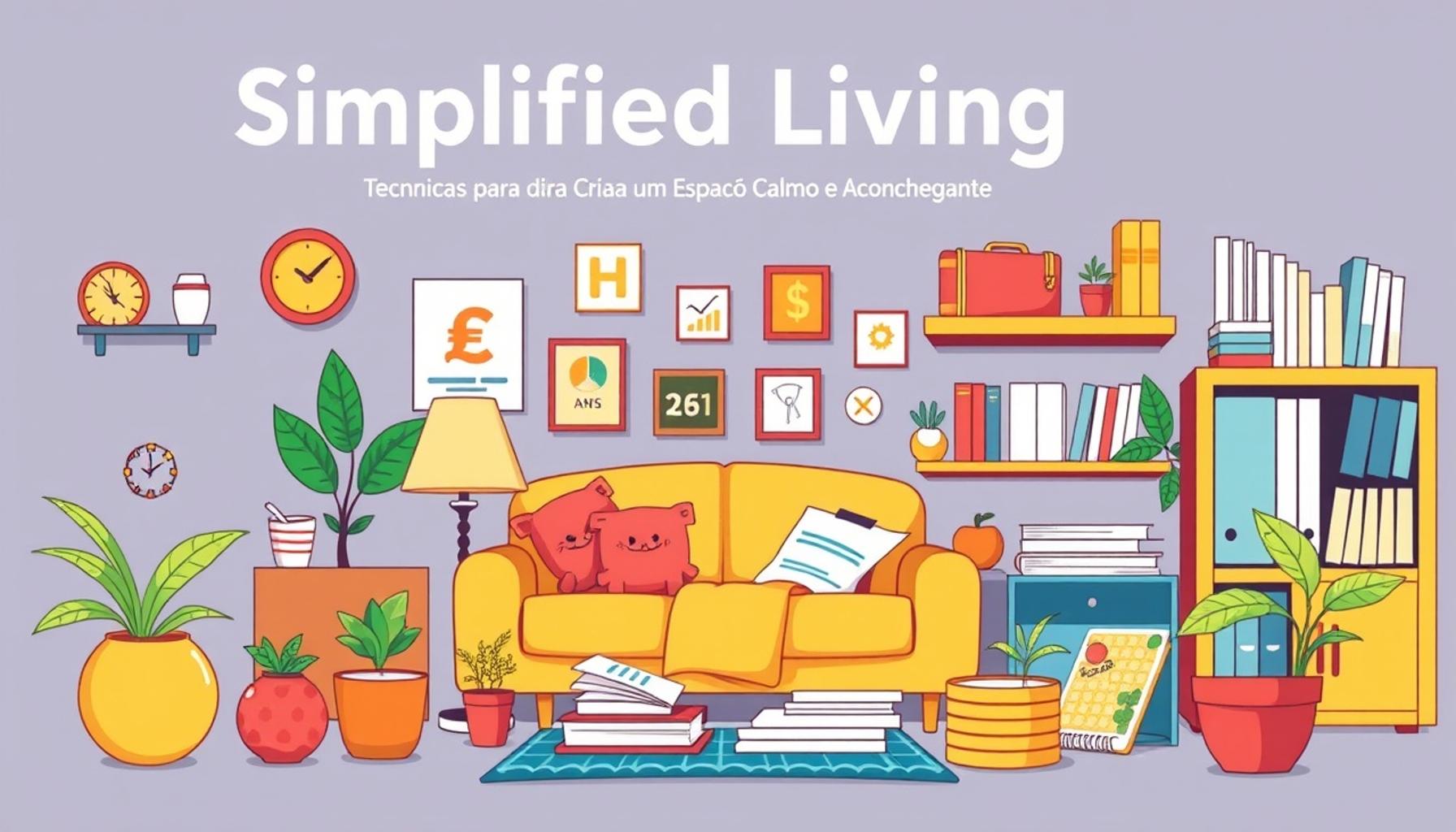
Creating a Haven for Peace
In today’s fast-paced world, finding moments of tranquility can seem elusive. The rising levels of anxiety affect millions, leaving many in search of solutions to create a sense of calm. Embracing simplified living is one effective strategy that can significantly reduce anxiety and foster a cozy atmosphere in our homes.
Imagine stepping into a space that radiates serenity, where each element contributes to overall harmony and comfort. There are several key factors that can enhance this peaceful ambiance:
- Minimal clutter: A cluttered environment can lead to a cluttered mind. Decluttering your home helps eliminate distractions and cultivates an atmosphere conducive to relaxation. Start small, perhaps with a single drawer or room, and gradually move to larger areas. The popular *KonMari Method*, developed by Marie Kondo, emphasizes keeping only items that “spark joy,” making the process both effective and fulfilling.
- Natural lighting: Integrating natural light into your living space not only makes it more inviting but also has profound psychological benefits. Exposure to sunlight increases serotonin levels, which can enhance mood and focus. Arrange furniture to allow for maximum sunlight during the day, and consider using sheer curtains that let light in without sacrificing privacy.
- Warm colors: The psychological effects of color are well-documented. Soft hues like pastels or earth tones create an inviting atmosphere that promotes relaxation. Paint walls in gentle shades of blue or green—colors associated with nature and tranquility. Complement these with warm accents, like burnt orange or soft yellows, to create a balanced, cozy environment.
Implementing these techniques allows individuals to transform their spaces into retreats designed specifically for relaxation and peace. The concept of simplified living encourages a focus on what truly matters in both our homes and lives, reinforcing the need to nurture our well-being amidst external chaos.
Whether you are seeking to transform a small apartment in a bustling city or a cozy house in the suburbs, understanding how to harmonize your living space is essential. Take advantage of local resources, such as community workshops on sustainable living, which often provide innovative ideas and inspiration for simplifying your life. Explore indoor plants, which not only improve air quality but add a touch of nature, enhancing both the aesthetic and calming effect of your home.
Discover how to harness the power of calmness and coziness in your home, leading to a more centered, peaceful lifestyle. By intentionally designing your space with these principles in mind, you can create a personal oasis that nourishes your mind and soul, inviting moments of peace amid the hustle of daily life.
EXPLORE MORE: Click here to learn about the art of decluttering
Essential Techniques for a Tranquil Environment
Creating a peaceful space is not solely about aesthetics; it involves intentional practices that cultivate mental clarity and emotional well-being. By adopting certain techniques, you can enhance your living space, promoting a serene atmosphere conducive to relaxation and reducing anxiety. Here are several practical methods that can transform your environment:
- Decluttering Strategies: The act of decluttering is more than simply tidying up; it is an opportunity to reevaluate what you need versus what you want. Embrace a systematic approach to decluttering by categorizing items into three groups: keep, donate, and discard. By tackling one category at a time—such as clothing, kitchenware, or books—you will avoid feeling overwhelmed and make the process more manageable. Research indicates that a tidy environment can significantly influence your psychological state, leading to reduced stress levels.
- Mindful Organization: After decluttering, focus on how your belongings are organized. Use decorative storage solutions like baskets or stylish bins to maintain order while adding a personal touch. Ensure that frequently used items are easily accessible and that everything has a designated home. This not only helps in preventing clutter but can also reduce anxiety by fostering a sense of control over your environment.
- Incorporating Nature: Much like the effect of natural lighting, integrating elements of nature into your home can enhance tranquility. Consider bringing in houseplants, which not only beautify your space but also improve air quality and reduce tension. Studies have shown that being around greenery lowers cortisol levels, the hormone associated with stress. Choose low-maintenance plants like snake plants or pothos, especially suited for those with busy lifestyles.
- Creating Calm Zones: Designate specific areas within your home for relaxation and mindfulness. A reading nook with a comfortable chair, soft lighting, and a small bookshelf can serve as your personal retreat. Create calm zones with soothing elements like scented candles, soft textures, or calming artwork. These spaces can act as a refuge from the bustle of daily life, providing a sanctuary for moments of self-reflection or leisure.
Each of these techniques focuses on reducing distractions and enhancing comfort, aligning with the principles of simplified living. The idea is to create spaces that encourage not just visual appeal but also peace of mind. As you implement these strategies, pay attention to how they affect your mood and stress levels, allowing the process itself to be a journey toward greater well-being.
Furthermore, consider engaging in local support networks or online communities that focus on simplified living. These groups often share resources, tips, and success stories that can inspire you to continue your journey towards anxiety reduction and creating a calm, cozy home. Whether through workshops or digital forums, you have the opportunity to connect with like-minded individuals who can provide encouragement and support as you cultivate your personal haven.
| Category | Description |
|---|---|
| Decluttering | Embracing minimalism reduces visual noise, creating a clearer mind. |
| Natural Elements | Incorporating plants and natural materials fosters a sense of tranquility. |
| Color Palettes | Soft, muted tones enhance relaxation and encourage a cozy atmosphere. |
| Mindful Decor | Choosing meaningful objects reduces anxiety and adds personal touch. |
The significance of implementing decluttering as a technique for simplified living cannot be understated. By systematically removing excess belongings, you not only free your physical space but also create a calm environment conducive to mental clarity. Research indicates a strong correlation between tidiness and reduced anxiety levels, with studies showing that a clutter-free space promotes better focus and relaxation.In addition, natural elements play a pivotal role in fostering a sense of peacefulness. By introducing indoor plants or using organic materials, one can enhance the connection to nature, which psychological studies suggest leads to lower stress levels. Adding a splash of greenery can transform a bland area into a serene retreat that soothes the soul.Moreover, the strategic use of color palettes is crucial. Soft hues like pastel greens and blues are known to promote relaxation and soften the emotional impact of a space. These colors can effectively shift the ambiance from chaotic to cozy, offering a visual invitation to unwind.Finally, the concept of mindful decor is vital in curating your personal oasis. Selecting decor items with sentimental value not only makes the space unique but also provides emotional comfort. Each piece becomes a reminder of cherished experiences, enhancing feelings of serenity and belonging.
DISCOVER MORE: Click here for insightful tips on decluttering
Enhancing Comfort Through Personalization
While decluttering and organization are key components of creating a cozy space, personalization is what truly makes it feel like home. The elements you choose to include should reflect your unique style and preferences, fostering a sense of belonging and comfort. Here are several techniques to achieve a personalized ambiance that promotes relaxation and aids in anxiety reduction:
- Color Psychology: Colors profoundly influence our emotions. Soft, muted tones like blues, greens, and warm neutrals are known to evoke feelings of calmness and peace. Consider applying these soothing shades to your walls or selecting furnishings and decor in these hues to create a tranquil atmosphere. Alternatively, if a pop of vibrancy resonates with you, incorporating accents of cheerful colors through pillows or wall art can energize your space while remaining within the boundaries of balanced aesthetics.
- Sensory Engagement: Integrating sensory elements can significantly enhance the coziness of your space. Scent, in particular, plays a powerful role in connecting memory and emotion. Essential oils, incense, or scented candles can invoke relaxation and nostalgia. Choose calming scents like lavender, chamomile, or sandalwood to create a soothing olfactory environment. Complement this with textured fabrics such as soft blankets, comfortable throws, and plush rugs that invite tactile comfort while enhancing the cozy feel of your living space.
- Curated Collections: Consider curating collections of items that bring you joy or carry emotional significance. Whether it’s a selection of photographs, travel souvenirs, or your favorite books, displaying these items thoughtfully can inspire positive feelings and provide a visual reminder of meaningful experiences. Create gallery walls or styled shelves that showcase your collections, turning them into focal points that charm your guests and offer you visual delight every day.
- Personal Retreats: Essential to a simplified living approach is the notion of having spaces designated for various activities. Perhaps create a small art corner where creativity flows, or a meditation space geared towards mindfulness. No matter the task, dedicating a specific spot helps your brain associate that environment with the activity at hand, which can be particularly helpful in reducing anxiety. Make these spaces inviting and adaptable, so they remain a source of joy rather than a burden.
Moreover, as important as the physical elements of your environment are, the emotional connection you have to your space plays a critical role in anxiety reduction. Take the time to reflect on what items and elements make you feel secure and peaceful. This deepened understanding will guide your efforts in personalizing your living area and creating a haven that richly supports your mental health. Also, consider setting intentions when arranging your space—imagine how you want to feel when you step into your home, and let that guide your choices.
In tandem with these personalization techniques, utilizing smart technology can enhance comfort. Smart thermostats and lighting can create a cozy atmosphere at the touch of a button, allowing you to adjust settings according to your mood. Integrating such technology amplifies your ability to cultivate a calming environment even during busy periods, reinforcing the principles of simplified living.
As you delve deeper into the art of personalization, remember that this journey is ever-evolving. Your space should adapt as you do, reflecting your growth and changes over time. By continually tweaking and refining your environment, you not only maintain a serene atmosphere but also foster resilience against anxiety’s challenges.
DISCOVER MORE: Click here for expert tips on decluttering
Conclusion
In a world filled with chaos and uncertainties, embracing simplified living can serve as a transformative approach to fostering mental well-being. By integrating thoughtful techniques to create a calm and cozy space, you harness the power of your environment to reduce anxiety and promote peace. The journey begins with decluttering, allowing for greater mental clarity and enhancing your sense of control. As you arrange your belongings, consider the importance of personalization, where every item serves a purpose or resonates with positive memories, turning your home into a sanctuary that reflects your essence.
Incorporating aspects of color psychology, sensory engagement, and meaningful collections can enrich your living space, making it not only comfortable but also supportive of your emotional state. Likewise, dedicating areas for specific activities fosters a sense of structure and intention, helping to alleviate stress. This holistic approach to creating a cozy environment emphasizes how the physical and emotional aspects of our space intertwine, contributing profoundly to our mental health.
As you embark on or continue this journey toward a more simplified and cozy lifestyle, remember that your space is a reflection of you—it should evolve as you do. Regularly revisiting your environment encourages a proactive stance towards wellness, while smart technology can provide additional ease, making adjustments effortless. Ultimately, cultivating a calming oasis allows you to navigate life’s challenges more confidently, nurturing not only a serene home but also a resilient mindset.