Reprogram Your Mind for Greater Resilience in Facing Challenges

Understanding Resilience
Life presents us with a complex array of challenges, from personal setbacks to global crises such as economic downturns or health emergencies. Our ability to navigate these obstacles often hinges on a quality known as resilience. Interestingly, resilience is not simply an innate trait; it is a dynamic capacity that can be developed through intentional mental practices and strategies. By actively working on our psychological frameworks, we can enhance our resilience and wellbeing.
The Importance of Mindset
One of the foundational elements of resilience is mindset. Adopting a growth mindset, a concept popularized by psychologist Carol Dweck, allows individuals to view difficulties as opportunities for learning and growth. For instance, when faced with a job loss, instead of seeing it as a failure, a growth-minded individual may view it as a chance to pursue new career paths or further education. This shift in perspective can lead to innovative solutions and new opportunities that one might not have considered otherwise.
Emotional Regulation as a Key Component
Emotional regulation is another critical aspect of resilience. The ability to manage your emotions effectively can help maintain stability during turbulent times. Techniques such as mindfulness meditation, deep breathing exercises, and cognitive behavioral techniques are excellent ways to cultivate this skill. For example, taking a moment to breathe deeply when confronted with stress can reduce anxiety and help you respond more thoughtfully rather than reacting impulsively. This not only enhances your capacity to cope with stress but also lowers the chances of developing mental health issues such as anxiety and depression.
The Role of Social Connections
Moreover, the importance of social connections cannot be overstated. Having a strong support network can significantly buffer against stress and enhance coping abilities. Friends, family, and even colleagues can provide much-needed encouragement and perspective in challenging times. For example, joining community groups or engaging in support networks can create a sense of belonging and shared experience, which is essential for emotional health.
Evidence of Resilience’s Benefits
Emerging research underscores the tangible benefits of resilience. Studies have shown that those who actively cultivate resilience experience lower levels of anxiety and depression compared to their less resilient counterparts. In addition, they tend to enjoy better physical health outcomes, as stress is a known contributor to a multitude of health issues. Furthermore, resilient individuals often achieve their personal and professional goals with greater success. They are more likely to embrace challenges and pursue opportunities that others may shy away from.
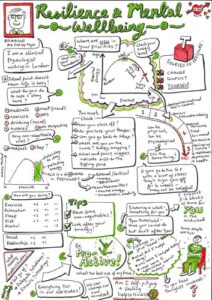
By embracing techniques to reprogram your mind, you not only prepare yourself to tackle life’s inevitable challenges but also create a more fulfilling and adaptable life. This exploration into resilience illustrates that it’s a journey worth taking, one that can fundamentally enhance your quality of life.
SEE ALSO: Click here to read another article
Strategies to Reprogram Your Mind
To enhance resilience, it’s crucial to actively reprogram your mind through specific strategies that encourage positive thinking and adaptive behaviors. These techniques can be transformative, allowing you to approach adversity with a greater sense of confidence and poise. Here are some effective methods that can aid in developing a more resilient mindset:
1. Practice Positive Affirmations
One powerful tool for reprogramming your thoughts is the use of positive affirmations. These are simple, positive statements that you can repeat to yourself daily to challenge negative beliefs and self-doubt. For example, affirmations such as “I am capable of overcoming challenges” or “Every setback is a setup for growth” can help shift your mental state. Research has demonstrated that regularly using affirmations can enhance self-esteem, reduce stress, and improve overall wellbeing.
2. Set Realistic Goals and Celebrate Achievements
- Identify Specific Goals: Establish short-term and long-term goals that are achievable and relevant to your personal growth.
- Break Tasks into Smaller Steps: Divide larger goals into manageable tasks to avoid feeling overwhelmed.
- Celebrate Your Successes: Recognizing and celebrating even small achievements can significantly boost motivation and foster a sense of accomplishment.
By setting realistic goals and celebrating your successes, you reinforce a sense of capability and progress. This, in turn, builds confidence in your ability to face future challenges.
3. Cultivate a Healthy Routine
Your physical health is intricately linked to your mental resilience. Therefore, establishing a healthy routine is vital for reprogramming your mind. This includes:
- Regular Exercise: Physical activity releases endorphins, known as “feel-good hormones,” which can combat stress and boost mood.
- Balanced Nutrition: Eating a well-balanced diet supports cognitive function and emotional health, providing the necessary nutrients to keep your brain sharp.
- Sufficient Sleep: Quality sleep is essential for emotional regulation and mental clarity. Establish a consistent sleep schedule to ensure you get adequate rest.
Incorporating these components into your daily life can have profound effects on your resilience, enabling you to approach life’s hurdles with a more robust mindset.
4. Engage in Reflective Practices
Engaging in reflective practices, such as journaling or meditation, can significantly aid in processing emotions and reducing stress. Reflection allows you to assess your experiences, understand your reactions, and derive lessons from them. Journaling, in particular, can be a cathartic process; writing down your thoughts can provide clarity and help you articulate your feelings more effectively. Additionally, meditation has been shown to enhance emotional regulation and reduce anxiety, making it a powerful tool in building resilience.
As you begin to implement these strategies, remember that reprogramming your mind is a gradual process. The key is consistency and a willingness to explore new perspectives as you tackle life’s obstacles. With determination and practice, you can cultivate a mindset that not only withstands challenges but thrives in the face of them.
| Advantage | Description |
|---|---|
| Enhanced Mental Clarity | Reprogramming your mind fosters a clearer perspective, enabling you to address challenges with focused resolve. |
| Increased Stress Management | By adopting resilient thinking patterns, you can better cope with stress, leading to healthier emotional responses. |
| Greater Adaptability | Strengthened resilience equips individuals to adapt swiftly to unforeseen changes and challenges. |
| Enhanced Problem-Solving Skills | A reprogrammed mindset improves your ability to analyze situations and implement effective solutions. |
The journey of reprogramming your mind is multifaceted, leading to numerous benefits that are highly relevant in today’s challenging context. One of the most notable advantages is the enhancement of mental clarity, which allows you to confront challenges with a focused resolve. This clarity serves as the foundation for better decision-making in times of stress.Moreover, the practice of establishing a resilient mindset significantly increases your ability to manage stress effectively. Through the use of tailored techniques, you are not only able to cope better but also foster healthier emotional responses. This evolving mindset also leads to greater adaptability, crucial for navigating the unpredictable nature of life’s challenges.Engaging in this mental reprogramming can also upgrade your problem-solving skills. As you learn to analyze situations more critically, the ability to implement effective solutions becomes more straightforward. This result, combined with the benefits mentioned, paints a compelling picture of how transforming your mindset can empower you in every facet of your life.
CHECK OUT: Click here to explore more
Emphasizing Connection and Adaptability
While individual strategies play a pivotal role in reprogramming your mind, the significance of social connections and adaptability cannot be overstated. Building a resilient mindset requires not just internal mechanisms but also embracing the external environment and the people in it. Let’s delve deeper into how these elements can further bolster your resilience.
5. Foster Meaningful Relationships
Strong social connections can serve as a support system during challenging times. Engaging with friends, family, or colleagues can provide emotional comfort and helpful perspectives. Studies have shown that people with robust social networks experience lower levels of stress and improved mental health. Here are some strategies to enhance your support system:
- Reach Out: Don’t hesitate to lean on friends and family when faced with difficulties. Share your experiences, and allow them to offer advice or simply listen. Sometimes, just knowing that you are not alone can alleviate the burden of challenges.
- Participate in Group Activities: Joining clubs or groups that align with your interests can help you meet new people and strengthen existing relationships, adding a layer of social support that enriches your resilience.
- Volunteer: Engaging in community service provides not only an opportunity to help others but also often leads to new friendships, fostering a sense of purpose and belonging.
6. Embrace Change with a Growth Mindset
Another cornerstone in reprogramming your mind for resilience is adopting a growth mindset. This concept, popularized by psychologist Carol Dweck, emphasizes the belief that skills and intelligence can be developed through effort, learning, and perseverance. Here’s how you can cultivate this essential mindset:
- View Challenges as Opportunities: Rather than seeing struggles as insurmountable obstacles, frame them as opportunities for growth and learning. Ask yourself, “What can I learn from this situation?” and “How can I improve moving forward?”
- Seek Feedback: Constructive feedback can be invaluable. Embrace it as a path to improvement and understanding, helping you navigate challenges more easily.
- Adapt Your Thinking: Train yourself to replace negative self-talk with constructive dialogue. For instance, shift “I can’t do this” to “I can learn how to tackle this.”
7. Technology as a Tool for Resilience
In our increasingly digital world, technology can also play a supportive role in enhancing resilience. Leveraging apps and online resources can provide tools for mindfulness, goal tracking, and community engagement. Here are some tech-based approaches to consider:
- Mindfulness Apps: Platforms like Headspace or Calm offer guided meditation practices that can help reduce anxiety and enhance emotional well-being.
- Online Support Groups: Virtual communities can provide connections with others facing similar challenges, offering tips, sharing experiences, and reducing feelings of isolation.
- Task Management Tools: Utilizing applications like Trello or Asana can help you set and track goals, ensuring you stay focused and organized, which mitigates feelings of overwhelm.
By harnessing the power of healthy relationships, embracing change, and utilizing technology, you can further equip your mind for resilience. These elements work synergistically to help you build a mental framework that empowers you to confront challenges head-on, ultimately enriching your life experiences and personal growth.
CHECK OUT: Click here to explore more
Finding Strength Through Resilience
In a world that is constantly evolving and presenting new challenges, reprogramming your mind for greater resilience is not merely an option but a necessity. As we’ve explored, cultivating a resilient mindset encompasses a multifaceted approach that integrates social support, adaptability, and technology. By forging meaningful connections and embracing a growth mindset, you create a supportive framework that enables you to interpret challenges not as setbacks but as opportunities for personal growth.
Moreover, leveraging technology can enhance your resilience journey, providing accessible tools for mindfulness and goal management, ensuring you remain focused amid the chaos of everyday life. Each small step you take towards fostering a resilient mindset contributes to building a stronger emotional foundation that will support you through life’s uncertainties.
As you move forward, remember that resilience is not an innate trait but a skill that can be developed over time. The ability to bounce back from adversity will enrich not only your personal experiences but can also inspire those around you. Embrace the journey of reprogramming your mind; it is a powerful endeavor that can transform your challenges into a springboard for success. Ultimately, as you adopt these strategies, you will find that resilience is not just about surviving but thriving in the face of life’s unpredictable challenges.
Related posts:
Fast Recovery Techniques for Setbacks and Failures Quick Tips
Turn Self-Criticism into Productive Self-Reflection A Guide
Overcome Fear of Failure with Mind Growth Techniques
Managing Setbacks Stay Focused on Progress without Losing Track
Strategies to Overcome the Fear of Others Judgment Effectively
Master Self-Sabotage Breathing Techniques Mindfulness Tips

Linda Carter is a writer and growth mindset specialist with expertise in cognitive development and resilience training. With extensive experience helping individuals transform limiting beliefs and unlock their potential, she shares practical mindset strategies on our platform. Her goal is to empower readers with science-backed techniques to cultivate adaptability, embrace challenges, and achieve continuous personal and professional growth.