How to Reduce Social Media Comparison and Boost Self-Esteem
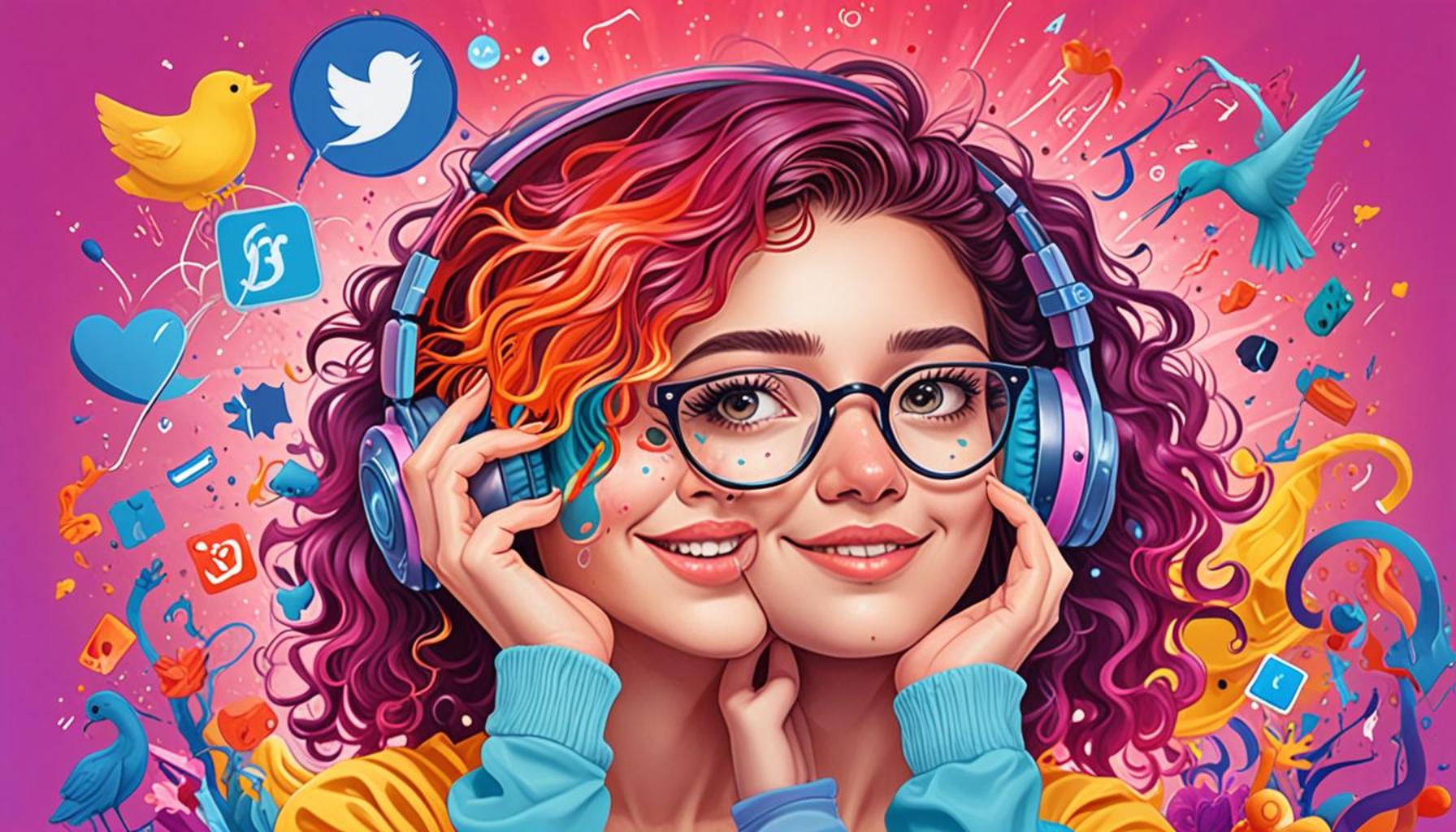
The Role of Social Media in Shaping Self-Image
In today’s digital landscape, social media has become an integral part of our daily lives. From sharing life events to following influencers, the platforms we engage with profoundly shape our perceptions of ourselves and others. The continuous display of curated, picture-perfect lifestyles can instigate unhealthy comparisons and lead to a decline in self-esteem for many users across different age groups.
Understanding the negative effects of social media is crucial for anyone who navigates these platforms. Research indicates that the way we present ourselves online can vastly differ from reality, resulting in a distorted view of life. Key aspects to consider include:
- Unrealistic Standards: Influencers and celebrities frequently showcase an idealized version of life that can be unattainable for the average person. For instance, on platforms like Instagram, meticulously edited images featuring luxurious vacations or flawless bodies can create pressure to mirror these standards, which may ultimately feel out of reach.
- Selective Sharing: Social media is often a highlight reel of experiences. Individuals typically share only their successes or joyous moments, which can skew perception for those who view their feeds. When a user sees these curated posts, they may feel as though they are missing out or failing to achieve similar happiness in their own life.
- Viral Trends: With trends shifting at lightning speed, users may feel compelled to conform to temporary fads that do not align with their true selves. This pressure can overshadow personal validation, leading to feelings of inadequacy if one fails to meet these fleeting standards.
Such a pervasive culture of comparison contributes to an ineffective self-image, often resulting in feelings of inadequacy, anxiety, and even depression. Studies show a clear association between increased time spent on social media and lower overall life satisfaction. In fact, a survey conducted by the Pew Research Center reveals that nearly 70% of teens report feeling pressure to present themselves perfectly online.
Despite these challenges, it is possible to reclaim your self-worth and cultivate a positive self-image. Here are some effective strategies to combat the urge to compare and boost your self-esteem:
- Curate Your Feed: Take charge of your online experience by following accounts that promote positivity, diversity, and authenticity. Particularly, seek out influencers who encourage body positivity or mental health awareness, which can uplift and inspire rather than incite jealousy.
- Limit Exposure: Setting time boundaries on social media usage can significantly reduce temptation and mindless scrolling. Utilizing app features that monitor usage or designate specific times for checking social media can create a healthier balance.
- Practice Gratitude: Foster a sense of gratitude by focusing on your personal achievements, skills, and the qualities that make you unique. Keeping a journal that highlights daily accomplishments or moments of joy can cultivate self-acceptance and improvement.
By actively engaging in these strategies, individuals can foster a healthier relationship with social media—one that prioritizes authenticity and aligned personal growth. As you navigate through the digital world, remember that real self-worth lies not in the number of likes or follows, but in embracing your true self and understanding your individual journey.

SEE ALSO: Click here to read another article
Understanding the Impact of Social Media Comparisons
Social media comparisons can create a weighty burden on one’s self-esteem. As users scroll through their feeds, they are often inundated with images of seemingly flawless lives, leading to an overwhelming sense of inadequacy. This phenomenon is not exclusive to a particular age group; it can impact young adults, teens, and even adults navigating personal or professional challenges. The omnipresence of filtered perfection can distort our self-perception and create a cycle of negative feelings that are hard to break.
What many users fail to realize is that social media algorithms often amplify such feelings of self-doubt. These platforms prioritize visually appealing content, frequently showcasing accounts with high engagement rates. In turn, this creates pressures to conform to idealized lifestyles, styles, or appearances. Understanding how this all plays out is essential for those struggling with self-esteem issues. Among the most concerning aspects is the emotional toll that comparison takes on mental health. Studies have shown that individuals who frequently engage in social media comparisons are susceptible to anxiety, depression, and lower self-worth. Consider this:
- Heightened Anxiety: The fear of being judged or not measuring up can lead to crippling anxiety. Users may constantly worry about how they are perceived, which can stifle genuine interactions and leave them feeling isolated.
- Distorted Sense of Self: Regular exposure to idealized images can warp one’s concept of reality, making individuals feel as if they are failing in various aspects of life, including career achievements, body image, and social status.
- Negative Self-Talk: Continuous comparisons can trigger harsh self-criticism. This internal dialogue can be damaging, leading to a cycle of low self-acceptance where users find it difficult to recognize their value beyond appearances.
The result is a relentless cycle of comparison, where users find themselves caught in a trap, perpetuating feelings of dissatisfaction and worthlessness. In the broader context, mental health professionals warn that such behaviors can contribute to long-term emotional distress and burnout. A longitudinal study published in the American Journal of Preventive Medicine highlights how frequent social media use correlates with depressive symptoms, particularly among adolescents. This data underscores the urgent need to tackle social media-induced comparison head-on.
However, breaking free from these detrimental patterns is achievable. By implementing strategic adjustments to your social media habits and focusing on self-empowerment, you can pave the way toward enhanced self-esteem. Here are several methods to consider in your journey to mitigate social media comparisons:
- Engage in Mindful Consumption: Be intentional about the content you consume. Follow accounts that share challenges and authenticity rather than just successes. Seek platforms that foster real conversations instead of perpetuating glamorized narratives.
- Set Boundaries: Limit your time on social media by utilizing built-in tools that remind you when you’ve reached your daily usage limits. This practice can foster healthier online and offline experiences.
- Emphasize Your Unique Journey: Take stock of your personal growth and achievements, no matter how small. By recognizing your unique path and experiences, you can begin to shift focus from comparison to appreciation.
Implementing these strategies can cultivate a more positive relationship with social media—one that emphasizes authenticity over comparison. In a world driven by likes and shares, remember that your true worth is rooted in embracing your individuality, celebrating your personal accomplishments, and respecting your value beyond digital validation.
| Advantages | Key Insights |
|---|---|
| Enhanced Self-Awareness | Developing an understanding of personal values and strengths leads to improved self-esteem, steering away from social comparisons. |
| Positive Mindset Shift | Cultivating a mindset focused on gratitude diminishes the likelihood of feeling inferior based on others’ curated online personas. |
In this digital age, the pressure to compare oneself to others on social media can be overwhelming. By emphasizing enhanced self-awareness, individuals can focus on their unique qualities rather than conforming to societal norms presented online. This understanding fosters a greater appreciation of personal achievements, which directly contributes to boosting self-esteem. Moreover, a positive mindset shift nurtures a healthier perspective towards social media consumption. When individuals focus on gratitude and self-compassion, they can better manage feelings of inadequacy caused by comparison. These strategies not only reduce the adverse effects of social media but also pave the way for a more confident and fulfilling life. Exploring techniques like journaling or mindfulness can further cultivate these advantages, thereby enhancing overall well-being.
SEE ALSO: Click here to read another article
Strategies to Enhance Self-Esteem in the Age of Social Media
In a digital landscape where appearances can often overshadow authenticity, it’s essential to implement proactive strategies to combat social media comparison and elevate self-esteem. By incorporating healthy practices into daily routines, users can fortify their mental resilience and shift focus from external validation to internal self-worth. Here are some effective strategies that can be transformative:
- Curate Your Feed: Begin with a clean slate by unfollowing accounts that evoke feelings of jealousy or inadequacy. Instead, surround yourself with positive influences. Engage with creators who prioritize mental health, body positivity, and authenticity, as their content can inspire a more balanced perspective on life. A study in the Journal of Happiness Studies indicates that uplifting content can significantly improve overall mood and self-perception.
- Practice Gratitude: Develop a habit of gratitude, focusing on personal strengths and achievements. Each day, take a moment to reflect on three things you appreciate about yourself or your life. This exercise can shift the mindset from scarcity and comparison to one of abundance and joy. Research published in Psychological Science suggests that individuals who regularly practice gratitude exhibit higher self-esteem and emotional well-being.
- Limit Social Media Triggers: Identify specific accounts or content types that trigger your comparison reflex and reduce exposure to them. This could involve using apps that restrict access to particular platforms during certain hours. By reducing triggers, you create a buffer that allows for healthier emotional processing, ultimately reducing anxiety and feelings of inadequacy.
Additionally, consider integrating offline activities that bolster self-esteem and provide a break from the digital world:
- Engage in Creative Outlets: Explore artistic ventures such as painting, writing, or photography that allow self-expression without the need for validation from others. Creative activities can boost self-esteem by fostering a sense of achievement and offering a personal escape from social pressures.
- Prioritize Physical Activity: Regular exercise has been shown to improve mood and reduce feelings of anxiety. Consider joining a local gym, taking dance classes, or going for daily walks. Discover activities that fill you with joy, as the endorphins released during physical activity contribute to enhanced self-image and increased confidence.
- Seek Community Support: Engage with local community groups or online forums that aim to foster positive discussions and personal growth. Sharing experiences and hearing others’ journeys can provide perspective and help alleviate feelings of isolation. According to the American Psychological Association, supportive relationships are vital in enhancing self-worth.
Alongside these strategies, it’s beneficial to recognize the power of self-compassion. When confronted with negativity—be it from social media or real-life situations—practice treating yourself with the same kindness you would offer a friend. Self-compassion helps in navigating setbacks without derailing your self-esteem. Psychologists suggest that individuals who cultivate self-compassion can experience a significant boost in overall mental resilience.
As you implement these strategies, remember that the journey toward healthy self-esteem is not a linear path. Embracing imperfections, processing feelings, and celebrating growth in the face of adversity are vital in discovering a fulfilling and authentic life beyond digital comparisons. By taking control of your narrative and choices, you can carve a path toward self-acceptance and happiness in the interconnected age of social media.
SEE ALSO: Click here to read another article
Final Thoughts on Reducing Social Media Comparison and Boosting Self-Esteem
In an age where social media pervades daily life, the risk of falling into comparison traps is higher than ever. However, by employing targeted strategies, individuals can reclaim their self-esteem and prioritize authentic living over the curated facades often presented online. Recognizing that everyone possesses unique journeys, experiences, and strengths is the first step towards reducing the harmful effects of comparison.
Implementing tactics such as curating your social media feeds to include uplifting content, practicing gratitude to focus on personal achievements, or limiting exposure to triggering accounts can foster a more positive digital environment. Additionally, engaging in offline activities—such as physical exercise and creative pursuits—can enrich one’s life in ways that transcend the superficiality of online presence.
Moreover, cultivating a practice of self-compassion can significantly enhance resilience against negative influences, allowing individuals to navigate setbacks without losing sight of their worth. As research indicates, emotional well-being ties closely to the quality of social interactions and self-acceptance, underscoring the importance of surrounding oneself with supportive communities.
As you embark on this journey to enhance self-esteem, remember that change takes time. Embracing the complexities of self-identity and focusing on personal growth can lead to a more fulfilling existence, both offline and online. Ultimately, prioritizing self-worth over social validation can illuminate the path toward happiness in a world that often prioritizes comparisons over authenticity.
Related posts:
Conquer Imposter Syndrome Practical Strategies for Success
Overcome Harsh Self-Criticism Build Confidence Effectively
How to Handle Rejection Without Losing Self-Confidence
Stop Pleasing Everyone How to Respect Yourself More Find Balance
Boost Self-Esteem Without External Validation Empower Yourself Today
Reduce Anxiety Before Sleep Effective Tips for Better Rest

Linda Carter is a writer and affirmation specialist who helps individuals harness the transformative power of daily positive self-talk. With extensive experience teaching mindset-shifting techniques, she shares neuroscience-backed affirmation practices on our platform to build self-worth, reprogram limiting beliefs, and manifest personal growth. Her goal is to equip readers with uplifting daily rituals that create lasting positive change.