Daily Strategies to Reduce Social Anxiety Effective Tips Methods
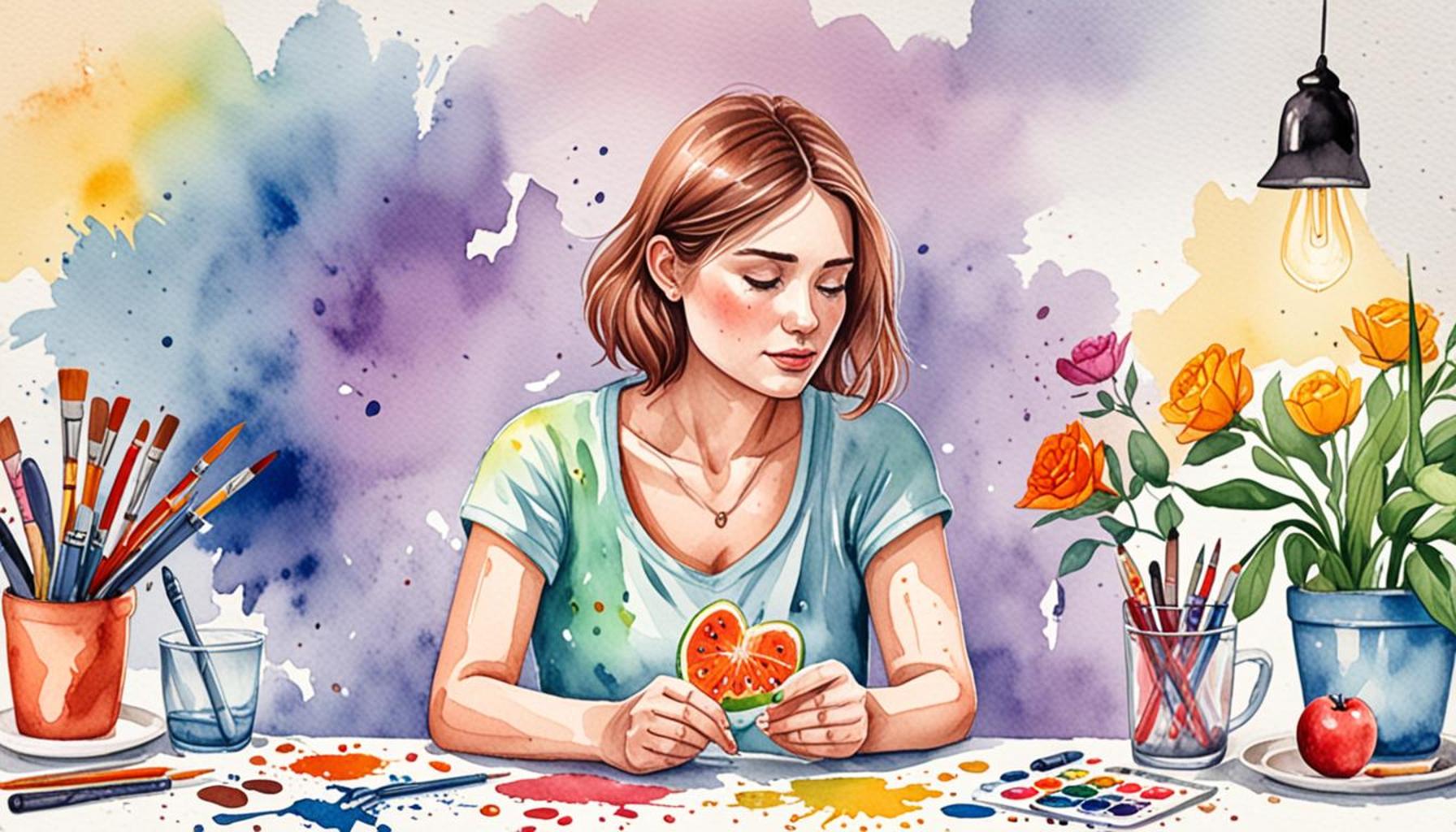
Understanding Social Anxiety in Daily Life
Social anxiety can be a significant barrier, affecting how individuals interact in both personal and professional settings. This type of anxiety is not just a fleeting feeling; it can persistently impact daily routines and overall mental well-being. Understanding and addressing this issue is critical for fostering healthy relationships and a fulfilling life.
Why It Matters
With the increasing pace of modern life, more people are recognizing the importance of mental health. Social anxiety can lead to avoidance behaviors, impacting career prospects, friendships, and quality of life. Finding effective strategies to cope is essential for personal growth and emotional stability.
What You’ll Discover
In this article, we will explore the Top 5 strategies that can effectively reduce social anxiety in daily situations. Each strategy will offer practical tips that you can implement right away, leading to positive changes in how you approach social interactions.
- Understanding triggers
- Practical breathing exercises
- Challenging negative thoughts
- Gradual exposure techniques
- Building a supportive network
Unlocking the potential for a more confident, anxiety-free approach to social situations awaits as we delve into these strategies.
SEE ALSO: Click here to read another article
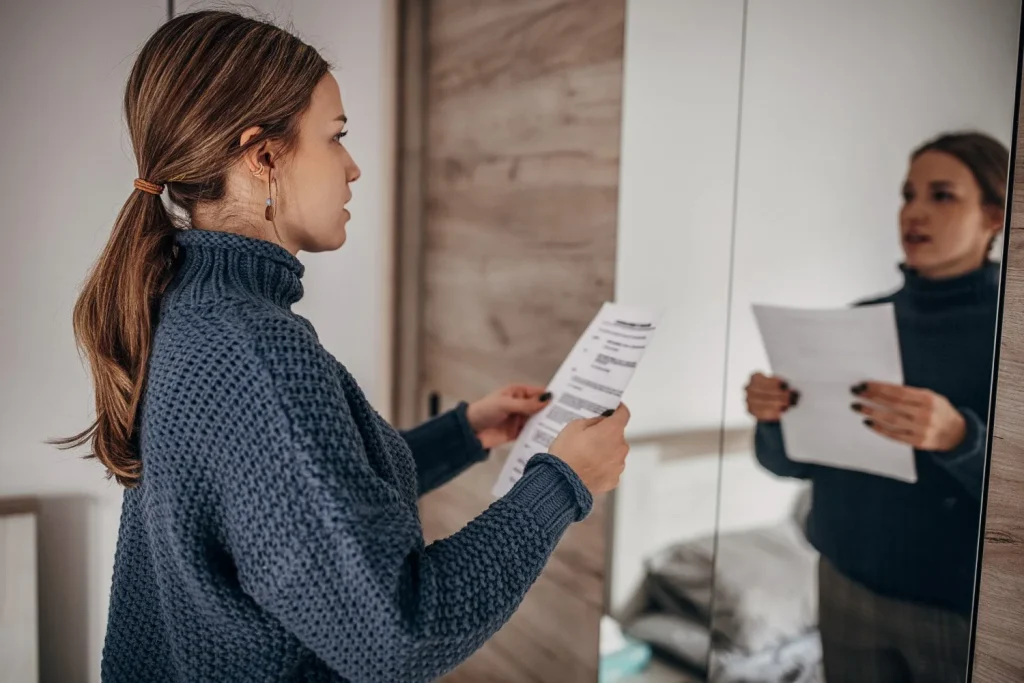
Top 5 Strategies to Reduce Social Anxiety in Daily Life
Social anxiety is more than just feeling shy or awkward in new situations; it is a pervasive issue that affects how individuals interact with the world around them. Impacting both personal and professional realms, social anxiety can create barriers to forming connections and pursuing opportunities. Understanding and implementing effective strategies is crucial for overcoming these challenges. Below, we explore in detail five strategies that provide hope and practical solutions to alleviate the burden of social anxiety.
5. Practice Mindfulness
Mindfulness serves as a calming anchor in an often stormy sea of anxiety. By focusing the mind on the present moment, mindfulness helps break the cycle of negative thoughts that fuel social anxiety. This practice can be beneficial because it helps individuals detach from overwhelming worry about past social mishaps or anticipated future encounters.
Mindfulness is both a discipline and a skill, requiring regular practice to hone its effectiveness. Some ways to incorporate mindfulness into your routine include:
- Engage in a 5-minute daily meditation. Use guided apps or YouTube videos to assist in this practice, especially if you’re a beginner.
- Practice breathing techniques during stressful moments. Simple techniques like the 4-7-8 method can help regulate your nervous system.
- Take a walk in nature, paying attention to the sights and sounds around you. Deliberate observation draws your mind away from anxiety-driven thoughts.
Embracing mindfulness allows for a non-judgmental acceptance of thoughts as they arise, rather than being swept away by them. Over time, this practice can significantly lessen the grip of social anxiety.
4. Challenge Negative Thoughts
For many, social anxiety is rooted in negative self-perceptions and distorted thinking patterns. Challenging these thoughts is like training your mind to see reality through a clearer lens. Often, individuals with social anxiety may interpret situations in a way that magnifies fear and minimizes competence.
To start rewriting the narrative of your thoughts, consider these steps:
- Ask if the thought is based on facts or assumptions. Often, anxiety thrives on conjecture rather than reality.
- Evaluate the evidence for and against the thought. Writing down facts can reveal inconsistencies in your anxiety-fueled beliefs.
- Consider what you’d tell a friend. This perspective can clarify your thoughts and encourage self-compassion.
By adopting a more critical mindset toward automatic negative thoughts, individuals can develop a healthier, more balanced understanding of social dynamics, easing the tension these thoughts typically induce.
3. Gradual Exposure
Gradual exposure to anxiety-inducing situations isn’t about leaping headfirst into fear but rather easing into it at a pace that allows for acclimation. This method is akin to steadily increasing a workout’s intensity rather than diving into an ultra-marathon unprepared.
An exposure hierarchy is a helpful tool. Here’s a suggested progression:
- Start with brief conversations with cashiers or baristas. These interactions are low-stakes yet meaningful.
- Attend small gatherings with close friends. Familiar people can foster comfort while practicing social exchanges.
- Progress to larger events where more unfamiliar faces are present. Attend these events with a prepared mindset and pre-planned conversation starters.
Through gradual exposure, the brain gradually becomes desensitized to social triggers, ultimately leading to reduced anxiety and enhancing self-efficiency in social interactions.
2. Build Social Skills
Enhancing your social skills can significantly boost confidence, acting as a defense mechanism against social anxiety. These skills are not innate; they’re developed through learning and experience.
Start with the basics:
- Practice maintaining eye contact. It conveys confidence and attentiveness, making social exchanges smoother.
- Engage in active listening. This involves acknowledging others’ words with verbal and non-verbal affirmations, showing that you value the dialogue.
- Join groups or classes. Choose areas that interest you, facilitating genuine conversation and reducing pressure through shared interests.
By nurturing these skills in less pressured environments, you create a foundation for more substantial, meaningful interactions, further diminishing anxiety.
1. Seek Professional Help
For those whose social anxiety is deeply entrenched, seeking professional help might be the most effective strategy. Working with a psychologist or counselor can help unpack complex triggers and offer a tailored approach to anxiety management.
Cognitive Behavioral Therapy (CBT) stands out as particularly effective for social anxiety, focusing on breaking the cycle of negative thoughts and reactions.
Therapeutic outcomes include:
- Techniques to address negative thoughts and behaviors. Therapy offers tools to reconstruct these thoughts into more realistic interpretations.
- Strategies to confront fears and improve self-esteem. Practicing these in a safe therapeutic setting empowers individuals to extend them to the external world.
- Effective coping mechanisms for social interactions. Tailored strategies are taught for ease in personal and professional scenarios.
The journey through therapy is deeply personal yet universally transformative, leading individuals to reclaim control over their social experiences.
In conclusion, while social anxiety can be a significant barrier, understanding and employing these effective strategies can pave the way to a more meaningful and connected life. From daily practices of mindfulness to seeking professional support, each approach offers a step towards overcoming anxiety’s constraints and opening the door to enriching social interactions and opportunities.
| Category | Details |
|---|---|
| Deep Breathing Exercises | Utilizing deep breathing techniques can significantly reduce anxiety symptoms. When you’re feeling anxious, your body tends to hold tension, and deep breathing encourages relaxation, helping to clear your mind. |
| Cognitive Behavioral Techniques | Implementing cognitive-behavioral strategies allows individuals to identify and challenge negative thought patterns, thereby fostering a more positive mindset. This approach is essential in understanding triggers and re-framing them into manageable thoughts. |
| Social Skills Training | Participating in social skills training enhances communication and interaction abilities. This structured learning process equips individuals with tools to navigate social situations confidently, curbing the onset of anxiety in daily interactions. |
| Mindfulness Practices | Engaging in mindfulness practices, such as meditation and yoga, helps cultivate present-moment awareness. This focus encourages individuals to acknowledge their feelings without judgment, leading to reduced anxiety levels over time. |
Incorporating these strategies not only aids in managing social anxiety but also empowers individuals to reclaim their engagement in social settings. Each categorized approach contributes to a broader spectrum of techniques that can be utilized daily, tailored to individual preferences and lifestyles. As understanding deepens regarding the personalized nature of anxiety, exploring these diverse avenues offers a pathway toward enhanced emotional well-being and improved social interactions.
ADDITIONAL INSIGHTS: Expand your understanding here
Frequently Asked Questions About Reducing Social Anxiety in Daily Life
What are some immediate strategies to calm social anxiety during social interactions?
When faced with acute social anxiety, immediate strategies can include practicing deep breathing exercises, grounding techniques, or focusing on a particular object to divert attention from anxious thoughts. Deep breaths can help regulate your nervous system, while grounding techniques, such as feeling the physical sensation of your feet on the ground, can bring you back to the present moment. It’s also beneficial to prepare and rehearse conversations beforehand to build confidence and reduce uncertainty in interactions.
Are there lifestyle changes that can help manage social anxiety long-term?
Indeed, certain lifestyle changes can have a significant impact on reducing social anxiety over time. Regular physical activity, such as jogging, yoga, or swimming, has been shown to alleviate anxiety symptoms. Additionally, a balanced diet rich in omega-3 fatty acids, B vitamins, and antioxidants can support mental health. Mindfulness meditation and pursuing engaging hobbies or skills can also reinforce personal growth and build resilience against stress. Consuming less caffeine and avoiding alcohol can prevent exacerbation of anxiety symptoms.
How does cognitive-behavioral therapy (CBT) help in managing social anxiety?
Cognitive-behavioral therapy, or CBT, is a well-researched approach that targets the root of anxiety by altering negative thought patterns and behaviors. In CBT, individuals learn to challenge irrational beliefs and develop healthier thinking habits. Through exposure therapy, a component of CBT, people gradually face social situations that cause anxiety, which helps in reducing avoidance behavior. This therapeutic approach is highly effective in providing skills to cope with anxiety-provoking situations over time.
Can social anxiety be entirely cured or only managed?
While some individuals might experience a complete recovery from social anxiety, for many others, it remains an ongoing challenge. The focus is often on managing symptoms to lead a fulfilling life despite anxiety. Treatment plans generally aim at reducing the severity and frequency of anxiety episodes. Regular therapy, medication, and self-care strategies collectively create a robust framework for effectively managing social anxiety.
What role can support systems play in reducing social anxiety?
A strong support network including family, friends, and support groups can be crucial in managing social anxiety. Having a reliable circle to confide in and share experiences with can reduce feelings of isolation. Encouragement from others can also motivate someone to participate in social situations more frequently. Support groups offer a platform to connect with those experiencing similar challenges, providing shared strategies and emotional support.
YOU MAY ALSO LIKE: Read this other article
Conclusion: Strategies for Reducing Social Anxiety in Daily Life
Managing social anxiety effectively in daily life is not just about momentary relief, but a continuous journey towards lasting well-being. Throughout the article, several key strategies have been highlighted that can serve as practical tools in this endeavor. By identifying triggers, individuals can better understand their anxiety patterns, allowing them to navigate social situations with more confidence.
Practical Tools for Everyday Use
Implementing mindfulness and relaxation techniques can significantly dampen the immediate impact of anxiety. Techniques such as deep breathing and guided meditation provide a calming reset, equipping individuals with the ability to face interactions with greater ease. The importance of gradual exposure is another crucial point. By taking small steps and setting realistic goals, one can progressively desensitize to anxiety-inducing scenarios, building resilience over time.
The Role of Professional Guidance
Moreover, seeking professional support, whether through therapy or counseling, offers a structured approach to tackling social anxiety. Professional guidance can offer personalized strategies, further aiding in the management of anxiety symptoms. Acknowledging the presence of anxiety and striving for progress, rather than perfection, is a healthy approach that reinforces improvement in mental health.
Incorporating these strategies into one’s daily routine not only mitigates the discomfort associated with social interactions but also fosters a greater sense of self-awareness and confidence. The significance of addressing social anxiety lies in its potential to open new avenues of interaction and personal growth. As readers consider these strategies, they are encouraged to delve deeper into each method, adapting what resonates with their personal experiences. Ultimately, managing social anxiety paves the way for more meaningful connections and a fuller participation in everyday life.
Related posts:
Breathing Tools to Quickly Reduce Stress in Minutes
How to Cultivate Calm in Noisy and Chaotic Environments
Create Daily Calm Anchors Harness Positive Triggers Effectively
How to Reduce Mental Rumination with Simple Techniques
Organize Your Day to Reduce Mental Overload Practical Tips
Gentle Digital Detox Reduce Anxiety Without Leaving the Internet

Linda Carter is a writer and affirmation specialist who helps individuals harness the transformative power of daily positive self-talk. With extensive experience teaching mindset-shifting techniques, she shares neuroscience-backed affirmation practices on our platform to build self-worth, reprogram limiting beliefs, and manifest personal growth. Her goal is to equip readers with uplifting daily rituals that create lasting positive change.