Creative Leftover Budget Dishes to Reduce Food Waste
The Hidden Cost of Food Waste
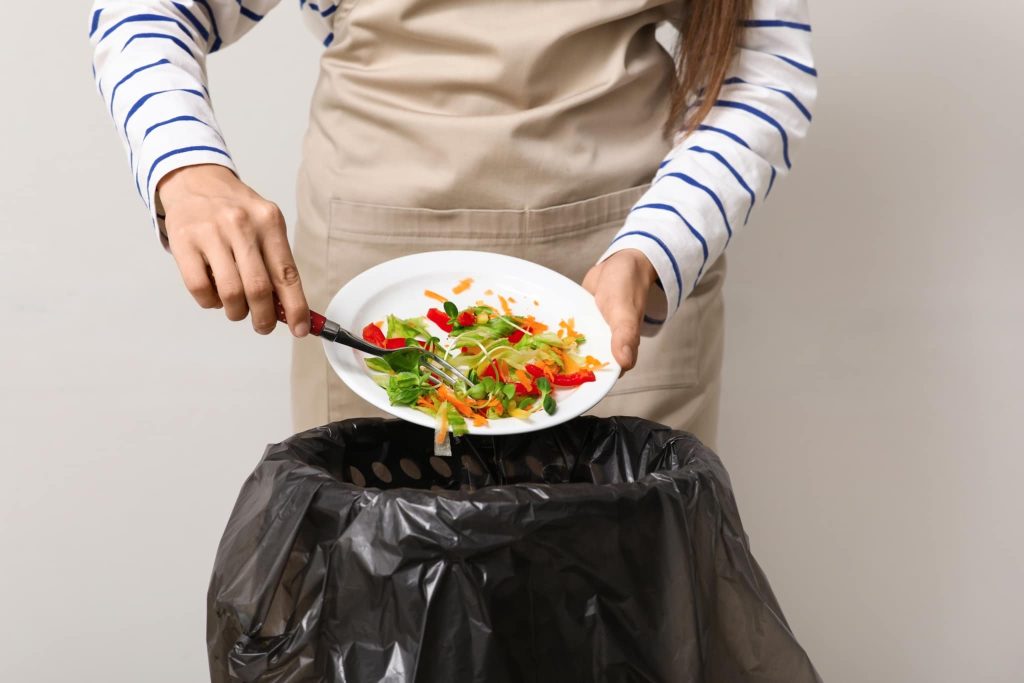
The staggering statistic that Americans waste about 40% of the food produced each year is not just an alarming figure; it represents profound economic and environmental implications. According to the USDA, this translates to approximately $218 billion annually, undermining food security efforts and placing undue stress on landfills. In an age where many struggle with food access, addressing food waste should be a priority for every household.
Turning Leftovers Into Culinary Creations
While the situation can seem bleak, individuals have the power to make a difference from their own kitchens. Transforming leftover food into creative budget dishes not only mitigates waste but also allows for culinary innovation. By combining a little bit of creativity with today’s versatile ingredients, you can enjoy satisfying meals that are both good for your wallet and the planet.
Delightful Dishes to Transform Your Leftovers
Here are some enticing ideas that can help you whip up delicious meals from what might otherwise be discarded:
- Vegetable Stir-Fry: Gather leftover vegetables—carrots, bell peppers, broccoli—and toss them in a hot pan with some soy sauce, garlic, and sesame oil. Combine with cooked rice or noodles for a delightful medley. This colorful dish is not only quick to prepare but also packed with nutrients.
- Soup: Almost any vegetable scraps can be transformed into a hearty soup. Use wilting greens, leftover potatoes, or even a few random herbs. Simmer them in vegetable or chicken broth, and you’ll end up with a warming dish. For an added flavor boost, consider tossing in a splash of lemon juice or dollops of cream at the end.
- Frittatas: Perfect for breakfast, brunch, or even dinner, frittatas allow for a mix of what’s on hand. Whisk together eggs and pour over a mixture of leftover meats like ham or sausage, along with vegetables. Finish by baking until fluffy and golden. The options are limitless, making it easy to cater to different tastes.
Embrace Culinary Creativity
Rediscovering leftovers prompts another layer of creativity. Consider staging “Leftover Challenge Nights” where family members or friends create their unique dishes from what’s available. You might encounter surprising combinations that become new favorites, showing that innovation thrives in the kitchen.
Conclusion: A Movement Worth Joining
Taking proactive steps to reduce food waste enriches not only your meals but the global movement toward sustainability. By embracing innovative approaches and elevating humble ingredients, we can collectively make an impact. Let’s turn yesterday’s meals into today’s culinary masterpieces, proving that waste reduction can be flavorful, enjoyable, and budget-friendly!
DISCOVER MORE: Click here to uncover delicious seasonal dishes
Ingenuity in the Kitchen: Recipes That Save
Embracing the culinary potential of leftovers is not just about saving money; it’s an opportunity to explore flavor combinations and rethink traditional dishes. By incorporating various ingredients that might otherwise end up in the trash, you can create meals that are not only delicious but also reduce your contribution to food waste. Here are some inventive dishes to inspire you:
- Stuffed Peppers: Hollow out leftover bell peppers and fill them with a mixture of cooked rice, beans, and any remaining proteins you have on hand. Add spices, such as cumin and chili powder, for an extra kick. Bake until the peppers are tender, and you’ve got a vibrant, nutrient-rich dinner that looks as good as it tastes.
- Grain Bowls: If you have leftover grains like quinoa or barley, toss them with sautéed vegetables and your choice of dressing. Add toppings such as nuts, seeds, or cheese to create a satisfying, wholesome meal. This flexible dish allows you to customize it based on what you have available.
- Homemade Pizza: Use a store-bought or homemade dough as your base and top it with leftover meats, veggies, cheese, and even sauces. This fun and interactive meal can bring the family together while also giving life to ingredients that may have lost their initial appeal.
- Breakfast Smoothies: Have some overripe fruits that are past their prime? Blend them into a smoothie with leftover yogurt or milk. Add some leafy greens for nutrition and you’ve created a refreshing breakfast or snack that reduces waste effortlessly. You can even freeze extra smoothies for a quick grab-and-go option later.
Each of these dishes serves as an excellent jumping-off point for endless variations. The key to success lies in being open to experimenting with what you have on hand. Cooking with leftovers fosters an innovative mindset, encouraging you to think outside the box and minimize waste.
Rediscover Hidden Ingredients
An often overlooked aspect of utilizing leftovers involves not just the main dishes, but also the smaller scraps from your meals. For instance, vegetable peels, stems, and herb stems can contribute significantly to flavor profiles in your cooking. Crafting vegetable stock from these scraps saves dollars and promotes sustainability by enhancing other dishes.
The exploration doesn’t stop there. Items like stale bread can morph into homemade croutons, breadcrumbs, or even French toast! Learning to see the value in every food item nurtures a frugal and inventive cooking style that reflects broader concerns about food wastage.
As you prepare your meals, it’s essential to exercise ingenuity. Make it a goal to plan your weekly menu around the ingredients you need to use up. This simple mindset shift can lead to unique meals that dazzle your taste buds while also reducing the environmental footprint associated with food waste.
| Category | Description |
|---|---|
| Flavorful Transformations | Incorporating herbs and spices to elevate ordinary leftovers into gourmet experiences. |
| Cost Efficiency | Creating delicious meals from what you already have minimizes grocery bills and helps eliminate waste. |
| Sustainable Choices | Preparing leftover dishes contributes to reducing environmental impact by lowering food waste. |
| Meal Variety | Transforming leftovers sparks creativity in cooking and introduces new and diverse meal options. |
Utilizing leftover ingredients can spark culinary creativity, turning scraps into innovative dishes that can wow family and friends. From repurposing yesterday’s roast into flavorful stir-fries to blending overripe fruits into smoothies, the possibilities are endless. Cooking with leftovers not only promotes a healthier planet but also optimizes your budget—giving you significant savings on grocery costs. For those passionate about sustainability, this method creates a tangible impact, showcasing practical solutions to the pressing issue of food waste. Each transformed recipe can lead to more explorations in the kitchen, encouraging families to experiment and discover what flavor profile they can achieve from what they have on hand. In today’s world, being resourceful in the kitchen is not just smart; it’s essential for a greener future.
DON’T MISS: Click here for budget-friendly crowd-pleasers
The Art of Repurposing Leftovers
Transforming your leftover food into tantalizing dishes requires a bit of creativity and a keen eye for potential. As society grows increasingly aware of food waste’s environmental impact, the culinary industry is adapting by promoting sustainable cooking habits. One outstanding way to embrace this trend at home is to get inventive with leftovers, turning what was once seen as waste into culinary treasures.
Frittatas and Omelets
Eggs are the ultimate blank canvas when it comes to rescuing leftovers, and frittatas or omelets are divine solutions for cleaning out the fridge. Scraps of cooked vegetables, chunks of cheese, or even bits of meat can all be whisked into a delicious breakfast or brunch item. Simply beat some eggs, mix in the leftovers, pour into a skillet, and bake or cook until set. This easy dish is not only economical but a great way to introduce unique flavors.
Savory Casseroles
Casseroles are the comfort food of leftovers. By layering your leftover grains, proteins, and vegetables with a creamy sauce or cheese, you can create a hearty meal that satisfies both your wallet and your taste buds. Consider using leftover chicken, mixed vegetables, and a handful of cheesy topping to create a fulfilling dish for the whole family. The beauty of casseroles lies in their adaptability; they can be made with essentially any combination of leftovers and often taste even better when reheated!
Soups and Stews
On those chilly nights where you crave something warm and soothing, soups and stews make excellent use of leftover ingredients. Combine leftover meats, grains, and vegetables with a robust broth for a filling meal that warms from the inside out. Don’t forget that herbs and spices can elevate these soups beyond the ordinary, turning simple scraps into culinary magic. If you have extra bones, you can even create a rich bone broth that becomes the foundation for future soups, utilizing every part of your food.
Creative Desserts
Who said you can’t be creative with leftovers when it comes to dessert? Use stale cake or cookies as a base for trifles, or blend overripe fruits into sorbets and purees. Parfaits made with leftover yogurt and fruit can serve as an impressive finish to any meal. Even the simplest leftover items can transform into delightful desserts; consider making a pie crust with crushed cookies or graham crackers to hold together a creamy filling of blended remnants.
Incorporating Herbs and Spices
The importance of maximizing the use of every element extends beyond main ingredients to include herbs and spices as well. Sprigs of wilting herbs like cilantro or parsley can be turned into sauces or pestos, bringing life back to meals that might seem lackluster. Alternatively, dried herbs and spices can enhance leftover dishes, making a frittata feel distinctly Mediterranean or your casserole inspired by Mexican flavors.
As you delve deeper into the ways to creatively use leftovers, remember that the key lies in your willingness to experiment. Look beyond the plate in front of you and embrace the plethora of flavors and ingredients that might otherwise go unnoticed. Finding innovative ways to repurpose your leftovers not only results in fabulous meals but also plays a significant part in fostering a sustainable food culture.
DISCOVER MORE: Click here for delicious regional recipes
Final Thoughts on Creative Leftover Budget Dishes
In a world where food waste is an escalating issue, embracing the art of repurposing leftovers is not only a necessity but a pathway to culinary creativity. By transforming remnants into appealing dishes like frittatas, casseroles, soups, and even desserts, we can significantly minimize waste and breathe new life into forgotten ingredients. This culinary approach not only redefines how we view our leftovers but also invites us to explore flavors we may have otherwise overlooked.
Utilizing leftovers creatively supports sustainability goals and aids in budgeting, allowing families to stretch their food dollar further. Additionally, engaging in this practice fosters a deep connection with our food sources, instilling mindful consumption habits that have lasting impacts on our environment. As the movement towards zero waste continues to gain momentum across the United States, every meal becomes an opportunity to make a difference.
Next time you find an array of leftover ingredients in your fridge, see them as a challenge rather than waste. Discover new recipes, incorporate spices and herbs for flavor enhancement, and let your imagination run wild. By doing so, you not only create meals that are rich in taste and experience but also take a meaningful step toward reducing food waste, one delightful dish at a time. So, roll up your sleeves and let the adventure of cooking with leftovers begin!