Clutter Control in Families: How to Teach Children to Value Minimalism from an Early Age
Creating a Foundation for Minimalism
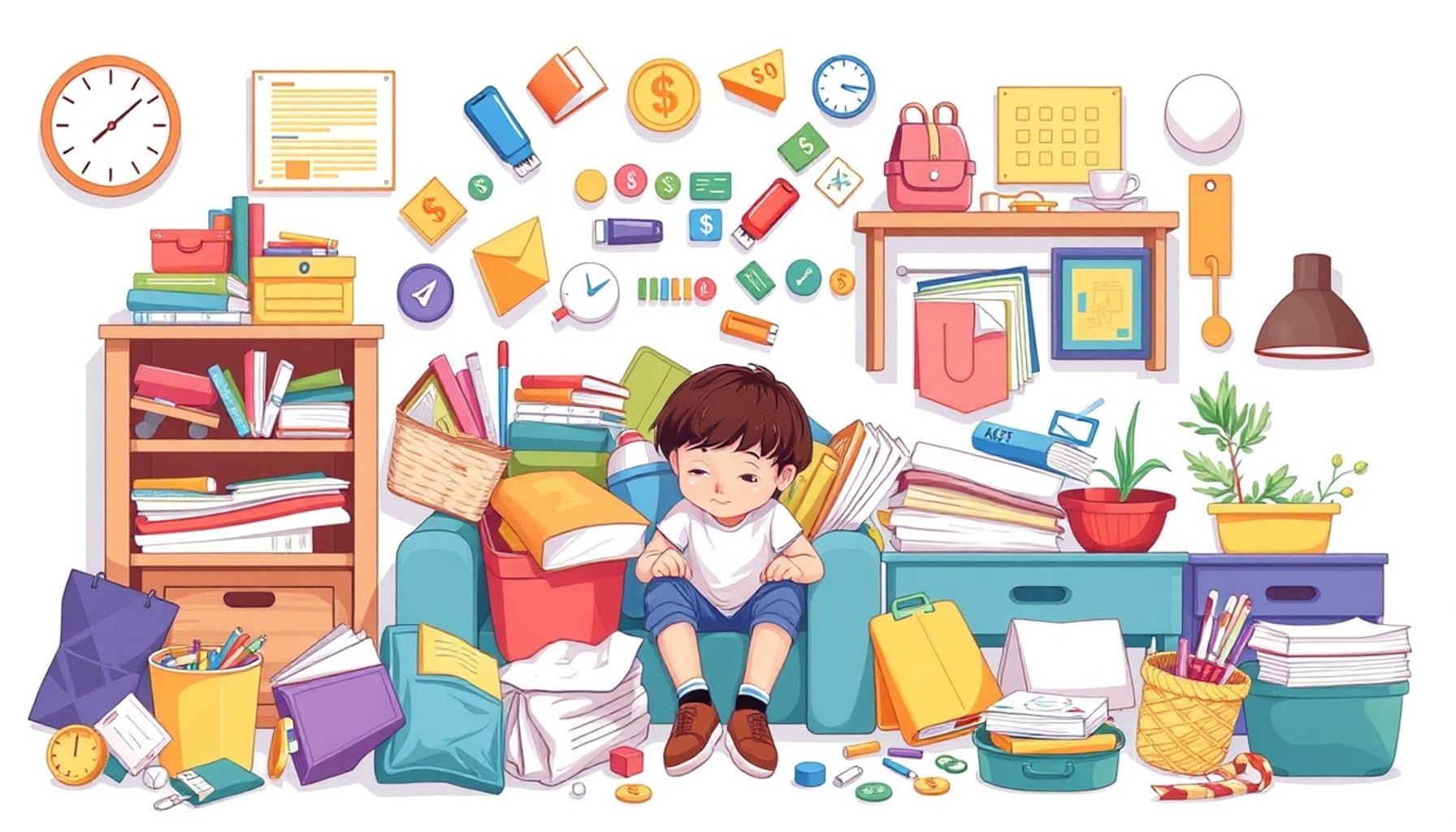
In today’s consumer-driven society, where advertisements bombard us at every turn and larger homes seem synonymous with greater happiness, it can be easy to lose sight of what truly matters. By introducing children to the concept of minimalism, families can embark on a constructive and transformative journey that prioritizes meaning over materialism. This foundational mindset nurtures not just simplicity but also establishes a culture of clutter control, which in turn fosters gratitude for the items and experiences that genuinely enrich their lives.
The Importance of Minimalism in Family Life
Embracing minimalism can yield a multitude of benefits within a family dynamic. For instance,
- Enhanced focus: Environments with less visual and physical clutter can significantly improve concentration levels. Studies indicate that individuals in tidy spaces perform better academically and professionally, making this approach especially relevant for children facing increasing academic pressures.
- Emotional well-being: The psychological impacts of clutter are well-documented. Research suggests that excess possessions can contribute to feelings of stress and anxiety. By minimizing their surroundings, children can develop healthier emotional landscapes, learning to find calmness and clarity in their lives.
- Decision-making skills: Minimalism cultivates intentionality. By encouraging children to assess their possessions and experiences, families can teach valuable lessons about prioritizing what is essential to them. This thoughtfulness can translate into better decision-making skills in other life areas, such as academics, friendships, and even future careers.
Strategies to Inspire Minimalism
Introducing the principles of minimalism to children can be both engaging and impactful. Here are some practical strategies:
- Model behavior: Children often emulate the habits of their parents. By showcasing how you value experiences—like family outings, community service, or shared hobbies—over physical items, you set a powerful example. Attending events like local festivals or parks instead of shopping trips can reinforce this mindset.
- Involve them in decluttering: Transform purging possessions into a fun, collaborative family project. Make it an engaging experience by sorting through toys, clothes, or books together. Try the “one in, one out” rule: for each new item brought in, one must go out. This not only promotes responsibility but also lightens the household load.
- Encourage thoughtful purchases: Teach children to deliberate over potential acquisitions. Before buying a new toy or gadget, have them list what they will do with it and how it will enhance their lives. This exercise reinforces the value of quality over quantity, helping them recognize that lasting happiness often comes from experiences rather than possessions.
As families delve into the principles of clutter control together, they unlock the profound freedom that simplicity offers. Not only do they gain the ability to live more harmoniously, but they also strengthen their bonds by focusing on shared values and experiences. Ultimately, this lifestyle choice can instill lifelong lessons that extend well beyond childhood, shaping individuals who appreciate what life has to offer beyond the confines of material accumulation.
DIVE DEEPER: Click here to learn about the art of decluttering
Nurturing Minimalism Through Everyday Practices
To successfully instill the values of minimalism and clutter control in children, parents can weave these principles into their daily routines and activities. Emphasizing the importance of simplification can start from a young age, helping children understand the relationship between their possessions and their well-being. By creating an environment rich in simplicity and intentionality, families can empower their children to be appreciative of what they have while learning to let go of excess.
Daily Routines That Encourage Minimalism
Implementing minimalism within family practices can be holistic and enjoyable. Here are some effective approaches:
- Designating clutter-free zones: Establish specific areas within your home that remain clutter-free, such as the dining room or living area. By consistently maintaining these spaces, children can learn to appreciate the serenity that comes with a tidy environment.
- Celebrating experiences over gifts: Shift the focus of special occasions away from material gifts and towards meaningful experiences. Instead of extravagant birthday parties laden with presents, consider options like a family camping trip or cooking a meal together. This shift reinforces the idea that joy can come from shared moments rather than physical items.
- Routine decluttering sessions: Make decluttering a regular family activity, similar to family game nights or movie marathons. Set aside a specific time each month to assess and reorganize belongings. This practice not only teaches children organizational skills but also builds camaraderie as the family works together towards a common goal.
Research indicates that children exposed to minimalist principles develop strong relationships with their belongings, learning early to appreciate quality over quantity. One study published in the Journal of Environmental Psychology highlighted that children with fewer toys showed greater creativity in play; they devised innovative ways to enjoy the items they had rather than becoming overwhelmed by too many choices.
Reinforcing Values Through Positive Reinforcement
Recognition and celebration of the minimalistic mindset can impart a sense of accomplishment to children. For parents, it’s essential to:
- Praise mindful decisions: When children make conscious choices to donate toys or abstain from unnecessary purchases, offer positive reinforcement. A simple “I’m proud of how you thought that through” can reinforce the behavior.
- Incorporate storytelling: Share stories that feature characters who embrace minimalism, such as “The Life-Changing Magic of Tidying Up” by Marie Kondo. Such narratives can spark discussions about the benefits of a clutter-free life, making the learning process enjoyable and relatable.
As families continue to explore and embrace these practices, they cultivate a culture of gratitude and presence. Minimalism becomes not just a personal ethos but a family value, embedding the essence of simplicity into everyday life. These foundational teachings empower children to navigate their lives with clarity and purpose, ultimately shaping a future generation that prioritizes meaningful experiences.
| Advantage | Details |
|---|---|
| Fostering Independence | Teaching children to organize their belongings encourages them to take ownership of their space. |
| Enhancing Focus | A clutter-free environment allows children to concentrate better on tasks and studies, leading to improved learning outcomes. |
An effective method to instill a value for minimalism in children is through interactive activities. Engaging children in the decluttering process not only makes the concept tangible but also empowers them. For instance, when children assist in sorting through their toys or clothes, they learn to evaluate what they truly need and love. Implementing regular decluttering sessions can turn this into a family ritual, fostering an environment where valuing space and simplicity becomes second nature. Moreover, utilizing storytelling and positive reinforcement can enhance their understanding of minimalism. Sharing books or tales centered around minimalist living can help children grasp the broader benefits of living with less, making it easier for them to adopt these principles. This strategy can lead to meaningful discussions about materialism, consumerism, and responsible choices.By creating routines that emphasize simplicity, families can establish expectations that guide children toward becoming conscientious individuals, ultimately leading to a healthier, more organized home life. Encouraging children to be mindful of their possessions can nurture a sense of gratitude and responsibility, vital traits for their future.
DISCOVER MORE: Click here to learn about the benefits of efficient storage
Building a Minimalist Mindset through Education and Engagement
As families continue to explore clutter control and embrace the principles of minimalism, the educational component plays a significant role in shaping a child’s perspective on material possessions. By equipping children with knowledge and engaging them in thoughtful dialogues about values, parents can create an atmosphere that encourages mindful living.
Incorporating Minimalist Values into Learning
Using educational opportunities to highlight the benefits of minimalism can facilitate a deeper understanding of why living simply is essential. Consider the following approaches:
- Teach financial literacy: Introduce concepts of budgeting and value assessment when it comes to toys and possessions. For instance, using piggy banks to save for a desired item teaches children to evaluate what is truly important, thereby cultivating a sense of responsibility and intentionality in their purchases.
- Engage in environmental discussions: Discuss the ecological implications of consumerism. By relating excess material items to environmental harm, such as waste production and resource depletion, children can develop empathy towards the planet. This connection reinforces their understanding of minimalism as a lifestyle that benefits both personal well-being and the environment.
- Promote creative reuse: Encourage children to repurpose items rather than discard them. Crafting sessions using recyclable materials can inspire creativity while instilling the notion that items can have more than one life. This fosters a sense of innovation and reduces wastefulness.
Several studies have shown that children who are educated on sustainability and minimalism tend to develop a greater emotional attachment to experiences instead of possessions, leading them to forge deeper connections with their surroundings. A report by the American Psychological Association found that children exposed to discussions about sustainability showed improved decision-making skills regarding their belongings.
Fostering Community Engagement and Responsibility
Another practical avenue to instill minimalism in children is through community involvement. Activities that promote sharing, giving back, and communal responsibility reinforce the value of reducing clutter:
- Organizing community swaps: Facilitate events where children can exchange toys or clothes with peers. This not only declutters their spaces but also imparts the joy of sharing, teaching them that one child’s surplus can fulfill another’s need.
- Participating in charitable events: Get children involved in charity drives or volunteering opportunities. This engagement helps them understand the importance of giving and encourages them to reflect on what they truly value versus what they do not use.
Engaging with the broader community cultivates a sense of connection and responsibility in children. Research from the Corporation for National and Community Service indicates that children participating in volunteerism develop a sense of purpose and belonging, further reinforcing the principles of minimalism and a clutter-free life.
Incorporating education and community involvement allows families to nurture a mindset that values less over excess from early childhood. By embedding these practices into family culture, minimalism transforms into a shared endeavor that enhances cohesion and collective growth.
DISCOVER MORE: Click here to learn about efficient storage solutions
Conclusion: Nurturing a Future of Mindful Living
In today’s fast-paced world, clutter control and the principles of minimalism offer families an invaluable framework for fostering a healthier lifestyle. By instilling values of mindfulness and intentionality in children from an early age, parents can guide them towards appreciating experiences over possessions. It is clear that the journey towards minimalism begins at home, where educational tools, community involvement, and open discussions shape a child’s mindset.
As we have explored, embracing a minimalist lifestyle requires holistic engagement, drawing on financial literacy, environmental awareness, and creative innovation. These educational experiences do not merely teach children the importance of reducing material possessions; they also deepen their connections with their surroundings, making them more empathetic and responsible citizens. Additionally, promoting shared activities like community swaps and volunteer work encourages children to appreciate the value of giving, reinforcing the notion that community and relationships are more fulfilling than the accumulation of things.
The shift towards minimalism isn’t just a passing trend; it’s a sustainable approach that nurtures well-being, creativity, and environmental stewardship. As families commit to this path, they set forth a legacy of mindful living that extends beyond themselves. By teaching children to value simplicity and connection, we unlock their potential to thrive in a clutter-free and purposeful world. This endeavor not only unclutters our homes but enriches our lives with the profound joy that comes from cherishing what truly matters.