How to Plan a Weekly Menu with Cheap and Nutritious Meals

Understanding the Importance of Meal Planning
Navigating the complexities of weekly meal planning is an endeavor that many individuals and families undertake, often with a sense of uncertainty. The challenge is not merely about what to prepare, but how to harmonize budget constraints with the necessity for nutritional value. Fortunately, there are systematic approaches to streamline this process, allowing for the creation of meals that are both affordable and healthy.
Leverage Seasonal Ingredients
One of the most effective strategies in meal planning is to use seasonal ingredients. These items are often more abundant and, as a result, less expensive. For instance, in the summer months, fresh tomatoes, zucchini, and bell peppers are not only cost-effective but also peak in flavor. A delightful summer ratatouille made with these ingredients can provide a nutritious meal at a fraction of the typical cost. Furthermore, these ingredients often boast better taste and nutritional content compared to their off-season counterparts, leading to more satisfying meals.
The Power of Bulk Cooking
Bulk cooking can be a game-changer in meal preparation. By preparing larger portions of staple dishes like chili, soups, or casseroles, you can save both time and money. For example, a hearty batch of lentil soup can be enjoyed for dinner and packed as lunches throughout the week. This method not only reduces the overall cost by making efficient use of ingredients but also minimizes the temptation to opt for less healthy, quick options during busy weekdays. To keep meals interesting, consider repurposing leftovers into new creations, such as transforming roasted vegetables into a fresh salad or turning last night’s chicken into tacos for lunch.
Incorporating Nutritional Staples
Including staples like beans, rice, and oats in your meal planning can have profound positive effects on both health and finances. Beans, whether canned or dry, are an excellent source of protein and fiber, and they can be utilized in a myriad of dishes from stews to salads. Rice, a versatile base for countless cuisines, offers a filling and cheap solution for various meal ideas, such as stir-fries or grain bowls. Oats, often underestimated, serve not only as a breakfast staple but also as an ingredient in smoothies and baking, making them a perfect example of a multitasking food that is easy on the wallet.
Smart Shopping Strategies
In the US, grocery prices are not uniform; they fluctuate based on location, season, and sales. Smart shopping can lead to significant savings. Always keep an eye out for local sales and store brands, as they often provide quality options at reduced prices. Additionally, local farmers’ markets can be treasure troves of seasonal produce at competitive prices. This not only helps lower grocery bills but also supports the local economy. Embracing these shopping habits can lead to a diverse menu that remains within budget.
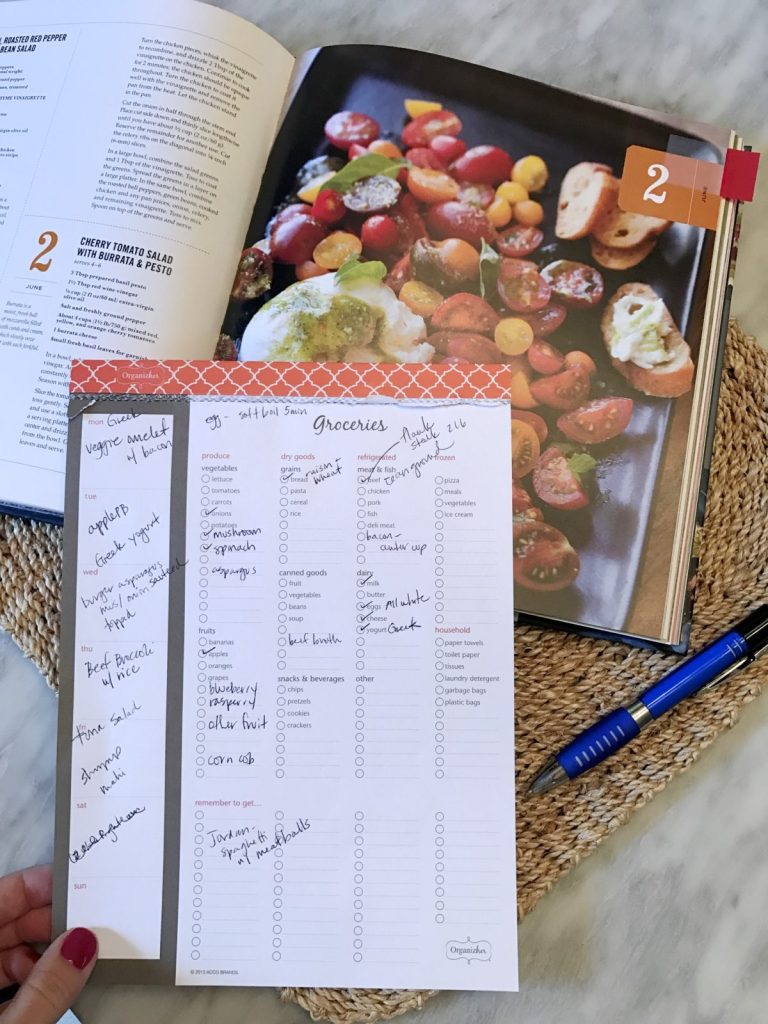
Moreover, engaging in meal planning fosters healthy eating habits. A well-thought-out menu leads to less reliance on fast food or processed items, which often come with higher prices and lower nutrition. As you delve into detailed meal preparation, you will uncover various strategies that align with both economic and health-conscious objectives, paving the way for a lifestyle steeped in wholesome choices and financial prudence.
DON’T MISS OUT: Click here for quick breakfast ideas
Key Strategies for Planning a Budget-Friendly Menu
When setting out to plan a weekly menu that meets both budget and nutrition goals, it is crucial to approach the task with a clear and structured mindset. By incorporating a few key strategies, you can create delicious and nutritious meals without breaking the bank. Here are several fundamental steps to help you optimize your meal planning:
Start with a Solid Base
Begin your meal planning by focusing on a solid base of nutrient-dense ingredients. These foundational items should form the core of your meals while also being budget-friendly. Create your shopping list with these staples in mind:
- Whole grains: Brown rice, quinoa, whole wheat pasta, and oats.
- Legumes: Lentils, chickpeas, black beans, and kidney beans.
- Vegetables: Look for seasonal and frozen veggies to add nutrients at a lower cost.
- Protein sources: Eggs, tofu, and cheaper cuts of meat, like chicken thighs or ground turkey.
These ingredients can be used in a variety of dishes, ensuring versatility throughout your week. For example, brown rice can serve as a base for stir-fries, while lentils can easily be transformed into hearty soups or salads. This variety keeps meals exciting, making it less likely that you’ll fall prey to the convenience of takeout.
Plan for Leftovers
One of the most effective ways to save both time and money is to plan meals that intentionally create leftovers. By incorporating a few larger dishes throughout your week, you set yourself up for easy lunches or dinners with minimal additional effort. Consider the following:
- Chili or Stews: Make a large batch, enjoy some for dinner, and freeze the rest.
- Casseroles: Dishes made with pasta or rice can be enjoyed multiple times.
- Roasted Vegetables: Prepare a big tray to serve as side dishes or salad add-ins.
Not only does this strategy help you make the most of your ingredients, but it also minimizes food waste—an often-overlooked cost that can significantly impact your grocery bills. Leftovers can also be creatively repurposed into entirely different meals, further extending their value.
Utilize Technology for Convenience
In today’s digital age, technology can play a vital role in streamlining your meal planning process. There are numerous apps and websites designed specifically for meal planning, which can help you find recipes, create shopping lists, and even monitor your pantry inventory. Some popular options include:
- Mealime: This app allows users to create meal plans based on dietary preferences and integrates a grocery list feature.
- Paprika: A recipe manager that helps organize recipes and create shopping lists.
- Yummly: Offers personalized recipe recommendations and can generate shopping lists automatically.
By leveraging these tools, you not only save time but also enhance your ability to maintain a budget-friendly and nutritious meal plan, while enjoying a diverse array of delicious dishes each week.
Effective Strategies for Planning Your Weekly Menu
When it comes to planning a weekly menu with cheap and nutritious meals, understanding the key strategies that maximize both flavor and cost-efficiency is essential. Here are several tactics to help you create a balanced menu that saves money and enhances your family’s health.
| Category | Description |
|---|---|
| Meal Prep | Preparing meals in advance can drastically cut down on cooking time during busy weekdays and reduce food waste by utilizing ingredients in multiple dishes. |
| Batch Cooking | Cooking large quantities of meals allows for easy portioning, saving both time and money, and providing nutritious options throughout the week. |
| Seasonal Ingredients | Using fruits and vegetables that are in season ensures freshness and lower prices, contributing to both taste and budget. |
| Smart Shopping | Adopting an organized shopping list and comparing prices helps you stick to your budget while ensuring you purchase the necessary ingredients for your nutritious meal plan. |
By implementing these strategies, you can effectively navigate the challenges of meal planning, ensuring each meal you prepare is not only affordable but filled with the nutrition your body needs. These methods also open the door to a variety of culinary experiences, leveraging different flavors and textures that keep every week’s meals exciting and enjoyable. Whether you’re a seasoned cook or just starting, these tips can easily integrate into your lifestyle, allowing for greater creativity and satisfaction in your kitchen.
Exploring these suggestions will empower you to make informed decisions, leading to meals that are not only healthy and delicious but also budget-friendly. The journey to a well-planned menu is an opportunity to learn more about food sources, cooking methods, and nutrition. Dive deeper into the art of meal planning and watch how it transforms your dining experience!
DON’T MISS OUT: Click here for quick pasta recipes
Innovative Meal Ideas to Enhance Your Menu
As you embark on this journey of planning a weekly menu that is both cost-effective and rich in nutrition, it is essential to explore innovative meal ideas that cater to different tastes and preferences. Creativity in the kitchen can transform simple ingredients into delightful dishes that will keep your family engaged and satisfied throughout the week.
Theme Nights for Variety
One effective way to bring excitement to your weekly menu is by incorporating theme nights. Designating specific themes can simplify the decision-making process while also broadening your culinary repertoire. Here are some ideas to consider:
- Taco Tuesday: Use beans, lentils, or ground meat with an array of toppings like lettuce, tomatoes, and homemade salsa, making it a fun, interactive meal.
- Meatless Monday: Focus on plant-based proteins such as chickpeas or quinoa to create hearty salads or veggie stir-fries.
- Pasta Friday: Experiment with different sauces, vegetables, or proteins to keep this meal fresh and exciting.
By intentionally planning around themes, you can streamline preparation while ensuring a mix of flavors and nutrition across your meals. Plus, it cultivates a sense of anticipation for the week ahead.
Embrace One-Pot and Sheet Pan Meals
Efficiency in cooking can significantly contribute to both time and cost savings. One-pot meals and sheet pan dinners have gained immense popularity for their ease of preparation and cleanup. These meals reduce the need for multiple pots and pans and are perfect for utilizing leftovers in creative ways. Consider these options:
- One-Pot Quinoa and Black Bean Bowl: Combine quinoa, black beans, corn, diced tomatoes, and spices in one pot for a filling and nutrient-rich meal.
- Sheet Pan Chicken and Veggies: Roast chicken thighs alongside seasonal vegetables such as bell peppers and zucchini for a nutritious meal that only requires one pan.
- Vegetable Stir-Fry: Use whatever vegetables you have on hand, one pot, and a simple sauce for a quick meal packed with flavor and nutrition.
The simplicity of these meals can make weekday cooking feel less daunting, allowing you to focus on enjoying your time in the kitchen.
Smart Shopping for Seasonal Produce
Understanding the benefits of seasonal produce can lead to significant savings at the grocery store. Purchasing fruits and vegetables that are in season not only reduces costs but often results in better flavor and nutrition. To make the most of your shopping:
- Visit local farmers’ markets: Engage with local producers to find fresh produce at affordable prices.
- Online resources: Utilize websites like Seasonal Food Guide to discover what fruits and vegetables are in season in your region.
- Buy in bulk: Purchasing bulk items like grains and legumes can lower overall costs and provide versatile meal components.
By incorporating seasonal ingredients into your weekly planning, you can maximize flavor and nutrients while minimizing costs. This attention to the calendar not only fosters a sustainable approach to eating but also introduces variety—a crucial component in maintaining dietary interest and satisfaction.
With these innovative meal ideas and strategies in mind, you’re well on your way to crafting a weekly menu that satisfies the palate, nourishes the body, and respects your wallet. Keep exploring new combinations and inspire yourself and your family through the magic of cooking!
DISCOVER MORE: Click here for quick and affordable lunch ideas
Conclusion: A Sustainable Approach to Weekly Meal Planning
In conclusion, crafting a weekly menu centered around cheap and nutritious meals is an achievable and rewarding endeavor. By embracing creativity and innovation, you can transform basic ingredients into flavorful dishes that resonate with both your taste buds and budget. The concept of theme nights not only simplifies meal prep but also infuses excitement into your dining routine, making every evening feel special and unique.
Moreover, when you prioritize one-pot and sheet pan meals, you significantly cut down on cooking and cleanup time, allowing for a more enjoyable kitchen experience. This efficiency helps you dedicate your energy towards trying new recipes and experimenting with seasonal produce, which not only reduces costs but enhances the freshness and nutrition of your meals. Engaging with local farmers and buying in bulk are further strategies that foster a sustainable and cost-effective approach to meal planning.
Ultimately, the key to successful meal planning lies in the balance of variety, nutrition, and cost-effectiveness. By utilizing the tools and techniques outlined in this article, you can elevate your culinary skills while also nurturing your family with wholesome meals. As you move forward, continue to seek out new recipes, seasonal ingredients, and creative combinations that inspire you in the kitchen. This journey of exploration not only enriches your family’s dining experience but also instills a sense of accomplishment and joy in nourishing your loved ones.