
Understanding the Ethical Challenges of AI
The rapid evolution of artificial intelligence (AI) technology is transforming various aspects of society, from healthcare to law enforcement. However, this integration has sparked important dialogues surrounding the potential infringement of human rights. As AI systems become more sophisticated, the complexity of their relationship with fundamental rights, such as privacy, equality, and accountability, becomes increasingly intricate.
Facial Recognition Technology
Facial recognition technology is one of the most contentious applications of AI, often criticized for its potential to enable mass surveillance and racial profiling. For instance, studies have shown that facial recognition systems can misidentify individuals of color at disproportionately higher rates than white individuals, raising serious concerns about fairness and justice. In cities like San Francisco, local governments have taken action to ban the use of facial recognition technology by public agencies, citing its implications for civil liberties and human rights.
Algorithmic Bias
Another pressing concern is algorithmic bias. When AI systems are trained on biased data sets, they may produce discriminatory outcomes that affect marginalized groups. An alarming example can be seen in the hiring practices of some companies that utilize AI-driven recruitment tools. If these systems rely on historical data that reflects past prejudices, they can inadvertently perpetuate discrimination in hiring, excluding qualified candidates based on race, gender, or socioeconomic status. This presents a paradox: while companies aim to enhance efficiency and impartiality through AI, they may unintentionally reinforce systemic biases.
Data Privacy
The proliferation of AI in data collection further complicates the landscape of data privacy. As organizations increasingly rely on AI algorithms to analyze personal data for targeted marketing or risk assessment, the boundaries of individual privacy rights are tested. Events like the Cambridge Analytica scandal reveal just how vulnerable personal information can become when exploited by sophisticated AI systems. As citizens in the United States become more aware of how their data is being utilized, the demand for robust data protection laws is likely to grow.
These multifaceted challenges prompt society to reevaluate the ethical frameworks that guide the use of AI technology. Questions arise regarding how to balance the benefits of AI innovation against the imperative to protect human rights. There are no easy answers, but exploring solutions that prioritize ethical considerations is essential for the future of AI.
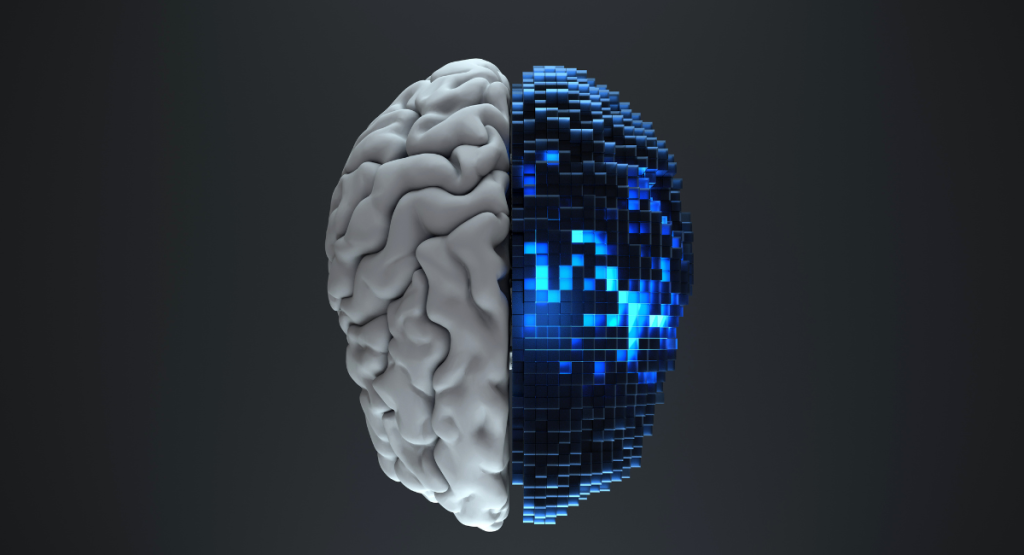
As we continue this exploration into the ethical challenges of AI, it becomes clear that the intersection of technology and human rights is a critical area of discussion. How can we ensure that our technological advances do not come at the cost of fundamental freedoms? Engaging with diverse stakeholders, including ethicists, technologists, and advocacy groups, is vital for developing a comprehensive understanding of this complex issue.
Join us as we navigate these pressing concerns and uncover potential pathways for ensuring that technology serves to enhance, rather than undermine, human rights.
DISCOVER MORE: Click here for insights
Navigating the Ethical Dilemmas of AI Implementation
As the integration of artificial intelligence (AI) into various sectors deepens, its implications for human rights become more evident. The core ethical dilemmas lie not only in the technology itself but also in how it is deployed and regulated. To address these dilemmas, it is essential to examine the background of AI technologies, their capabilities, and the environments they inhabit. This will facilitate a clearer understanding of the risks they pose to fundamental rights.
The Responsibility Gap
One significant ethical challenge that arises with AI technologies is the responsibility gap. This term refers to the difficulty in determining accountability when AI systems make decisions or take actions that lead to adverse outcomes. Traditional frameworks for assigning responsibility are often insufficient in the context of autonomous systems. For instance, if an AI-driven vehicle is involved in an accident, it can be quite problematic to ascertain whether the blame lies with the manufacturer, the programmer, or even the user of the vehicle. This ambiguity raises serious questions about accountability, particularly when it comes to issues that might infringe on individual rights.
Impact on Vulnerable Populations
The impact of AI is not uniform; vulnerable populations are often disproportionately affected by its deployment. Various AI applications—such as predictive policing, credit scoring, and automated decision-making in healthcare—can unintentionally reinforce existing inequalities. Consider the following examples:
- Predictive Policing: Algorithms that assess crime likelihood based on historical data can lead to over-policing in neighborhoods predominantly inhabited by minority groups, thus perpetuating systemic biases.
- Healthcare Algorithms: If AI systems used in healthcare rely on data that underrepresents certain demographics, it could lead to ineffective treatments or missed diagnoses for those groups, perpetuating health disparities.
- Credit Scoring: Automated processes that determine loan approvals can inadvertently discriminate against individuals from lower socioeconomic backgrounds if they are trained on biased historical financial data.
These examples highlight that the potential for human rights violations is not just theoretical but a real concern. If brought to light, AI technology can either ameliorate or exacerbate social injustices, depending on how it is implemented.
The Role of Regulation
To minimize the ethical challenges posed by AI, effective regulatory frameworks must be established. Legislation can play a pivotal role in guiding the ethical development and deployment of AI technologies. In the United States, discussions surrounding AI regulation are increasing, with advocates calling for:
- Transparent algorithms that allow for public scrutiny
- Audit mechanisms to ensure fairness and accountability in AI systems
- Robust guidelines for data usage that prioritize individual privacy rights
As lawmakers grapple with these issues, there is an urgent need for collaboration among technologists, ethicists, and legal experts to create a framework that sufficiently safeguards human rights while promoting innovation.
While technological advancements hold great promise, understanding their ethical implications is paramount. As we delve further into this complex intersection of AI and human rights, it becomes increasingly clear that proactive measures must be taken to ensure that the solutions implemented do not compromise our core values.
The Intersection of AI and Human Rights: Ethical Challenges and Solutions
As artificial intelligence integrates deeper into societal structures, its implications on human rights become increasingly pronounced. One of the critical ethical challenges posed by AI technology is the potential for bias in decision-making processes. Algorithms designed to automate tasks often inadvertently reflect existing societal biases, which can lead to discriminatory outcomes in areas such as hiring, law enforcement, and access to essential services. Reports have indicated that certain AI systems misidentify ethnic minorities at a higher rate, raising significant concerns about their fairness and accountability. To combat these biases, it’s essential to advance transparent algorithms and incorporate diverse datasets that genuinely represent all demographics. This approach ensures that AI developments are inclusive, mitigating inadvertent harm to vulnerable groups.Moreover, the surveillance capabilities amplified by AI present a troubling intersection with privacy rights. Governments and corporations can utilize AI-driven surveillance tools to track individuals, leading to potential overreach and the curtailing of civil liberties. The ethical implications extend beyond privacy; they delve into the realm of consent and agency, which are vital in upholding human dignity.To address these concerns, it is imperative to advocate for comprehensive regulatory frameworks that uphold human rights while promoting technological innovation. The establishment of ethical guidelines—crafted in partnership with stakeholders, including technology developers, ethicists, and human rights advocates—will help ensure that AI is harnessed responsibly. Collaboration between AI developers and ethicists is another pivotal step toward achieving a balance between technology and human values. By embedding ethical considerations into the design and implementation phases of AI systems, developers can anticipate potential human rights violations and proactively design solutions that respect fundamental rights and freedoms without impeding progress or innovation.The dialogue surrounding AI and human rights continues to evolve, demanding ongoing engagement from multiple sectors to navigate the challenging landscape of ethical AI development.
DON’T MISS OUT: Click here to discover more insights
Ensuring Fairness and Accountability in AI Systems
As we continue to explore the ethical landscape shaped by the integration of AI technologies, ensuring fairness and accountability hinges on a multi-faceted approach that includes stakeholder engagement, bias detection, and algorithmic transparency. These foundational components are critical to preventing a detrimental impact on human rights.
Stakeholder Engagement
Effective AI governance requires the active participation of diverse stakeholders, including affected communities, policymakers, technologists, and human rights advocates. Engaging these groups in the AI development process can provide valuable insights into the potential repercussions of deployed technologies. In recent years, organizations have initiated dialogues to address concerns surrounding algorithmic discrimination. For instance, the Algorithmic Justice League has focused on raising awareness about bias in AI systems, advocating for the inclusion of underrepresented voices in algorithm design. By involving end-users and impacted populations in the conversation, developers can gain crucial feedback that fosters empathy and responsibility in their innovations.
Detecting and Mitigating Bias
Bias in AI can manifest in results that reinforce stereotypes or produce inequitable outcomes. A study by the National Institute of Standards and Technology (NIST) revealed that facial recognition technologies frequently misidentify individuals from racial and ethnic minority groups at higher rates than their white counterparts. These findings underscore the importance of bias detection mechanisms that can identify and correct inaccuracies during the AI development lifecycle. Implementing adversarial training, where algorithms are trained to identify and counteract biased outputs, has shown promise in combatting these issues. Continuous performance evaluations against diverse datasets can further enhance equity in AI systems.
Algorithmic Transparency
Transparency is fundamental to building trust in AI systems. Stakeholders must understand how AI algorithms function and the rationale behind their decisions, particularly when these systems impact fundamental rights. Initiatives advocating for ‘explainable AI’ aim to ensure that algorithms are interpretable and justifiable. For example, the EU’s General Data Protection Regulation (GDPR) mandates that individuals have the right to an explanation when subjected to automated decision-making. This legal provision acts as a catalyst for demanding clarity in AI operations and empowers individuals to challenge decisions that may infringe upon their rights.
Developing Inclusive AI Solutions
Creating AI with inclusivity in mind is a proactive measure to guard against ethical pitfalls. It is imperative that developers prioritize representation not just in the datasets but in the teams that create AI systems. Research indicates that diverse teams are more adept at identifying biases and generating solutions that accommodate a broader spectrum of societal needs. Moreover, applying an intersectional lens—taking into account how various forms of discrimination overlap—can lead to more holistic AI applications. For instance, integrating a focus on both race and gender in diversity initiatives can lend insights into complex societal issues driven by AI.
In moving forward, the intersection of AI and human rights presents a unique landscape filled with both potential and peril. Addressing these ethical challenges requires sustained effort, innovative solutions, and a collective commitment to uphold the dignity and rights of all individuals impacted by technology.
DIVE DEEPER: Click here to discover more insights
Conclusion: Navigating the Ethics of AI in a Human Rights Framework
As we stand at the crossroads of artificial intelligence and human rights, it is evident that the ethical implications of this convergence are profound and far-reaching. The rise of AI technologies has not only transformed industries but also posed significant challenges, particularly regarding algorithmic bias, privacy concerns, and the potential erosion of individual rights. It is therefore crucial for stakeholders to take an active role in shaping a future where AI enhances rather than undermines human dignity.
The successful integration of AI into our societal fabric demands a concerted effort towards transparency, fairness, and accountability. As demonstrated by initiatives such as the Algorithmic Justice League, fostering stakeholder engagement is essential in mitigating biases that can lead to discrimination against marginalized populations. Furthermore, implementing effective bias detection and mitigation strategies during the development lifecycle can significantly minimize the threat of inequitable outcomes.
Moreover, promoting inclusive AI solutions by prioritizing diversity within development teams and considering intersectional perspectives can yield more robust and equitable systems. Such proactive measures not only reflect ethical commitments but also empower individuals, ensuring they remain central in AI design and deployment processes.
Ultimately, our challenge lies in establishing an ethical framework that encompasses the complexities of AI while steadfastly upholding human rights. As technology continues to evolve, so too must our approaches to ensuring that the advancements we embrace are aligned with the fundamental principles of justice, equity, and respect for all individuals. The future of AI can be bright, but it requires our collective vigilance, creativity, and commitment to ethical leadership in the face of emerging dilemmas.
Related posts:
The Ethics of Algorithm Programming: Preventing Undesirable Behaviors in AI
The Ethical Implications of Autonomous Decision-Making in AI Systems
The Impact of Bias in AI Algorithms on Marginalized Communities
The Ethics of AI in Surveillance: Balancing Security and Individual Freedoms
Accountability in AI: Who is Responsible for Machine Errors?
The Impact of AI on Human Autonomy: Ethical Issues and Social Implications

Beatriz Johnson is a seasoned AI strategist and writer with a passion for simplifying the complexities of artificial intelligence and machine learning. With over a decade of experience in the tech industry, she specializes in topics like generative AI, automation tools, and emerging AI trends. Through her work on our website, Beatriz empowers readers to make informed decisions about adopting AI technologies and stay ahead in the rapidly evolving digital landscape.