
The Impact of Machine Learning on Facial Recognition Technology
In recent years, the evolution of machine learning algorithms has dramatically transformed the landscape of facial recognition technology. This burgeoning field is not only enhancing operational efficiency across various sectors but also igniting intense debates surrounding privacy rights and ethical standards. Understanding the mechanics of these advanced algorithms is essential as we navigate this technological frontier.
Consider the astonishing fact that modern facial recognition systems can achieve accuracy levels exceeding 99%. Such precision empowers a wide array of applications, from identifying individuals in crowded venues like airports to safeguarding sensitive transactions in banking via biometric verification. For instance, companies like Apple have adopted facial recognition to secure user devices, while some law enforcement agencies employ it to locate missing persons or apprehend suspects.
The versatility of facial recognition technology extends into social media, where platforms such as Facebook utilize it for tagging photographs automatically. As a result, the user experience becomes more engaging and personalized, prompting users to share content more freely. However, these system capabilities come with their share of challenges, particularly concerning ethical implications. Critics argue that the misuse of facial recognition in surveillance can infringe on individual privacy and disproportionately target marginalized communities.
The market for facial recognition technology is projected to grow exponentially, driven by advancements in machine learning and increased demand for security across various fields. According to recent market research, the global facial recognition market is expected to reach over $10 billion by 2025. As organizations hone their approaches to implementation, they must balance the technological benefits with social responsibilities.
As we delve into the development of machine learning algorithms tailored for facial recognition, it becomes crucial to dissect elements such as deep learning techniques that form the backbone of these systems. Techniques like convolutional neural networks (CNNs) allow computers to analyze and learn from vast datasets, improving their facial analysis capabilities over time. The progress in these areas illuminates both the immense potential and the inherent risks posed by this technology.
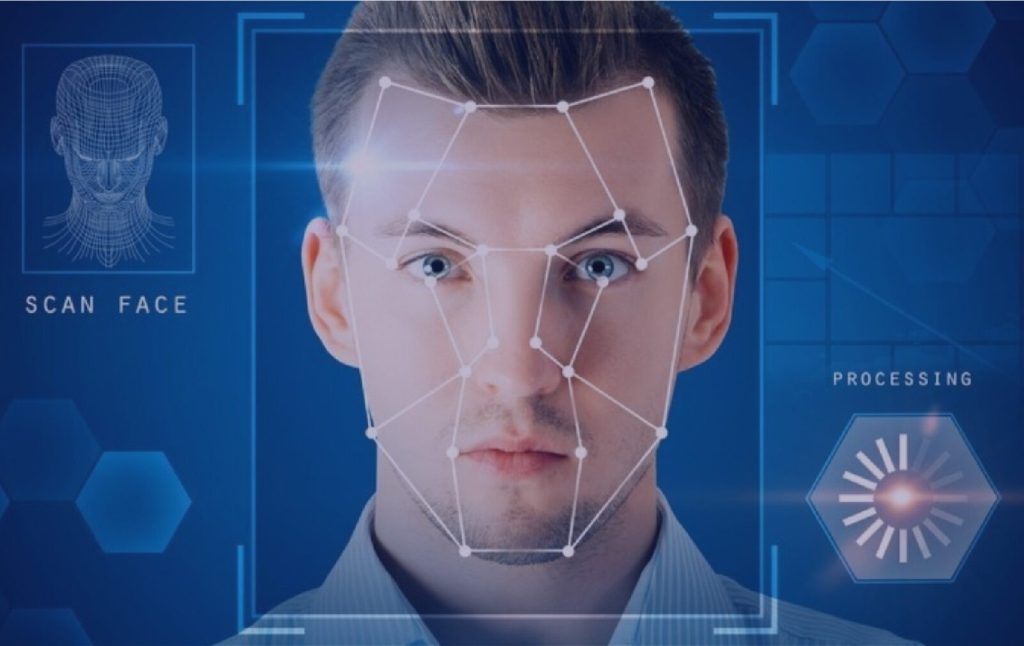
In conclusion, the conversation surrounding facial recognition technology is multifaceted. While it offers revolutionary opportunities in various domains, it is also imperative to engage in thoughtful discussions about the ethical considerations it entails. As we continue to integrate these systems into our daily lives, remaining informed and vigilant about privacy rights and biases is more critical than ever.
DISCOVER MORE: Click here for additional insights
Unveiling the Mechanics of Facial Recognition Algorithms
To appreciate the advancements in machine learning algorithms applied to facial recognition technology, it’s essential to explore the fundamental techniques that drive these systems. At the heart of many modern facial recognition systems lies the use of deep learning, particularly through architectures known as convolutional neural networks (CNNs). These networks mimic the human brain’s visual processing capabilities, enabling machines to interpret and recognize facial features with impressive accuracy.
CNNs utilize several layers of processing to identify patterns from images. When a facial recognition system is trained, it is fed thousands, if not millions, of images, allowing the algorithm to learn from various angles and lighting conditions. This data-driven approach is crucial, as it not only enhances the facial recognition capabilities but also equips the system to differentiate between subtle variations in facial expressions, makeup, and even the aging process.
The Development Pipeline of Facial Recognition Systems
The development of a robust facial recognition system typically follows a structured pipeline, which can be broken down into several key stages:
- Data Collection: Gathering a diverse dataset of images representing different ethnicities, ages, and genders to avoid bias in the algorithm’s performance.
- Data Preprocessing: Normalizing the images, resizing them, and augmenting the dataset (through techniques like flipping or rotating) to enhance the model’s robustness.
- Model Training: Implementing the CNN architecture, where the algorithm learns to recognize features by adjusting weights through backpropagation.
- Validation: Testing the model on unseen data to evaluate its performance, ensuring it generalizes well beyond the training set.
- Deployment: Integrating the trained model into real-world applications, whether for surveillance, secure access, or personalized user experiences.
These stages not only illustrate the technical aspects of facial recognition technology but also underline the necessity for a diverse and extensive dataset. The effectiveness of a facial recognition model is significantly influenced by the quality of the data it is trained on. Concerns arise when data representation is insufficient or biased, leading to the risk of unreliable recognition rates for certain demographics—a challenge that many developers are striving to address.
Emerging techniques in machine learning, such as transfer learning and generative adversarial networks (GANs), are also gaining traction in the facial recognition landscape. Transfer learning enables existing models trained on large datasets to adapt to specific tasks by fine-tuning on smaller datasets, thus reducing the amount of needed data for effective training. On the other hand, GANs contribute to creating synthetic data for training purposes, which can help improve algorithm performance and diversity.
In summation, the development of machine learning algorithms for facial recognition is an intricate interplay of data, technology, and human oversight. As this technology continues to evolve, the interplay between innovation and ethical considerations will play a critical role in shaping its future applications. Navigating these complex waters will be vital for creating systems that achieve security and functionality while honoring individual privacy rights.
| Advantage | Description |
|---|---|
| Enhanced Security | Machine Learning algorithms significantly improve security applications, providing accurate and reliable identification. |
| Real-time Processing | Facial recognition systems leverage machine learning for instant analysis and recognition, enhancing user experience in various applications. |
Machine Learning algorithms are revolutionizing the way facial recognition technology operates, providing a wealth of benefits. For one, enhanced security is a major advantage; these algorithms offer heightened accuracy, crucial for identity verification in fields like banking and law enforcement. Moreover, the integration of machine learning enables real-time processing capabilities. Users can experience swift and seamless functionality, whether logging into devices or using security systems in public spaces. The continual development and training of these algorithms also ensure that they adapt and improve over time, overcoming the challenges posed by varying lighting conditions or angles.These advancements not only heighten security measures but also open new doors for applications in sectors like retail, where businesses analyze customer behavior through facial recognition tech. The implications stretch further into healthcare, where secure access to patient data is vital. Therefore, the development of Machine Learning algorithms for Facial Recognition not only enhances technological capabilities but also plays a critical role in shaping the future of personalized and secure user experiences.
DISCOVER MORE: Click here to uncover additional insights
Ethical Considerations in the Deployment of Facial Recognition Technology
As the capabilities of machine learning algorithms in facial recognition continue to expand, so too do the ethical implications surrounding their use. Facial recognition technology has the potential to enhance security and streamline interactions, but it also poses significant challenges regarding privacy and civil liberties. One critical concern is the potential for surveillance overreach, where individuals may be tracked and monitored without their consent, leading to a society where personal freedoms are compromised.
The Risk of Bias in Facial Recognition Algorithms
Another pressing issue is the risk of bias in facial recognition algorithms. Studies have indicated that many systems perform disproportionately poorly on individuals with darker skin tones and on women, exacerbating existing societal inequalities. For instance, a report by the National Institute of Standards and Technology (NIST) revealed that some facial recognition algorithms exhibit higher false-positive rates for African Americans compared to Caucasians. This is particularly concerning for law enforcement applications, where misidentifications can lead to wrongful arrests and perpetuate systemic bias.
The challenge of bias underscores the importance of diversity in datasets used for training these algorithms. Recognizing this gap, researchers and developers are increasingly adopting strategies that require diverse participation in data collection and model testing. Initiatives aimed at improving algorithmic fairness are critical, requiring collaboration with advocacy groups and community stakeholders, especially in regions like the United States where diversity is a hallmark of society.
Policy and Regulation Surrounding Facial Recognition
The rapid evolution of facial recognition technology necessitates the development of robust policy frameworks that can govern its implementation. In response to public concern, several U.S. cities, including San Francisco and New York, have enacted bans or restrictions on facial recognition for government use. The intent behind these regulations is to ensure accountability and protect individuals’ rights while fostering a robust public discourse on the implications of the technology.
Furthermore, organizations utilizing facial recognition technology must consider ethical practices in their operations. For instance, providing transparency about how data is collected, used, and stored is crucial for building public trust. Companies that prioritize ethical standards and engage in proactive dialogues about the potential risks associated with facial recognition are more likely to contribute positively to the discourse and maintain consumer trust.
The Future of Facial Recognition Technology
As machine learning algorithms for facial recognition mature, their integration into various sectors suggests an ongoing trend toward more immersive user experiences. For example, in the retail industry, personalized marketing strategies can be facilitated through facial recognition, where stores can tailor promotions based on observed customer demographics. Despite these advantages, it’s essential for businesses to navigate such applications carefully, weighing potential benefits against ethical considerations.
In the field of healthcare, facial recognition holds promise for patient identification and enhancing accessibility for individuals with communication challenges. Implementing such technology, however, requires stringent controls to protect sensitive data and ensure compliance with regulations like HIPAA (Health Insurance Portability and Accountability Act) in the United States.
As developers pursue innovations in machine learning algorithms for facial recognition, a balanced approach that prioritizes ethical standards, addresses biases, and respects privacy will be vital. The dialogue around these issues must remain active, as the landscape of technology is rapidly changing, and the interplay between innovation and responsibility is paramount.
DISCOVER MORE: Click here for insights
Conclusion: The Path Forward in Facial Recognition Technology
The development of machine learning algorithms for facial recognition has ushered in a new era of technological capabilities, enabling advancements across multiple sectors, from government security to personalized retail experiences. However, this evolution comes with a profound responsibility to address the myriad of ethical, societal, and regulatory challenges that accompany such powerful technology.
As highlighted throughout the discourse, considerations surrounding privacy and bias are critical. The implications for civil liberties must not be overlooked; unchecked surveillance could lead to a society where personal freedoms are increasingly at risk. Moreover, the risk of algorithmic bias poses significant consequences, particularly for marginalized communities, which could perpetuate systemic inequalities. This reality demands that developers prioritize diversity in datasets and adopt transparent methodologies in their algorithm training processes.
Looking ahead, it is essential for policymakers, technologists, and the public to collaborate in shaping a regulatory framework that not only fosters innovation but also safeguards individual rights. This conversation must remain dynamic, considering the rapid technological advancements and their global impact—factors that are particularly pertinent in a diverse society like the United States.
In conclusion, while the prospects of machine learning in facial recognition technology are promising, a balanced approach is key. As we forge ahead into uncharted territory, innovation must be coupled with ethical vigilance, ensuring that the adoption of these technologies improves lives without compromising core human values or rights. Active engagement and ongoing dialogue will be crucial as society navigates the implications of this transformative technology.
Related posts:
The Influence of Machine Learning on Digital Content Creation and Personalized Marketing
The Impact of Machine Learning on Industrial Automation
The Role of Machine Learning in Personalizing User Experience on Digital Platforms
The Ethics in Machine Learning: Challenges and Solutions
Machine Learning in Healthcare: Transforming Diagnostics and Treatments
The Use of Machine Learning in Market Trend Forecasting

Beatriz Johnson is a seasoned AI strategist and writer with a passion for simplifying the complexities of artificial intelligence and machine learning. With over a decade of experience in the tech industry, she specializes in topics like generative AI, automation tools, and emerging AI trends. Through her work on our website, Beatriz empowers readers to make informed decisions about adopting AI technologies and stay ahead in the rapidly evolving digital landscape.