
The Transformative Power of Machine Learning
In today’s fast-paced economic landscape, organizations must navigate an increasingly complex array of market trends and consumer behaviors. With the advent of machine learning, businesses gain unprecedented insights, which can fundamentally alter their forecasting methodologies. This technology empowers companies to sift through massive volumes of data at high speeds, uncovering hidden correlations that traditional analytical methods might miss. As competition intensifies, it becomes crucial for organizations—both nascent startups and established corporations—to explore how machine learning enhances forecasting capabilities.
Key Features of Machine Learning in Forecasting
Machine learning introduces robust features that can transform the forecasting process:
- Data Mining: This process involves sophisticated algorithms that can sift through extensive datasets, extracting relevant patterns and insights. For instance, a retail chain might use data mining to analyze purchasing trends across different demographics, allowing for targeted marketing strategies.
- Predictive Analytics: Employing statistical techniques and machine learning, predictive analytics helps businesses understand existing trends and make informed forecasts. For example, financial institutions utilize predictive models to assess stock movements, continuously refining their predictions based on real-time market data.
- Adaptive Learning: One of the remarkable attributes of machine learning systems is their ability to learn and adapt as new data becomes available. For instance, a real estate firm leveraging adaptive learning can refine its property valuation models with every transaction, reflecting the most recent market trends.”
Industries Embracing Machine Learning for Forecasting
Various sectors are beginning to see tangible benefits from machine learning-driven forecasting:
- Finance: Investment firms and hedge funds are increasingly relying on machine learning algorithms to predict stock price movements and assess market volatility. Firms like Goldman Sachs have adopted these technologies to keep pace with high-frequency trading environments.
- Retail: Major retailers such as Amazon and Walmart harness machine learning to anticipate consumer buying behavior effectively. By analyzing shopping patterns and seasonal trends, they can better manage inventory and optimize supply chains.
- Real Estate: Companies like Zillow utilize machine learning to analyze historical data on property sales, allowing for more accurate estimations of current property values and future market changes.
Embracing the Future of Market Analysis
The integration of machine learning into market trend forecasting is reshaping how businesses function. In the United States, organizations are increasingly recognizing the power of this technology to furnish data-backed insights, aiding them in making strategic decisions. This shift not only minimizes risks associated with market fluctuations but also maximizes growth opportunities. As industries continue to explore the depth of machine learning applications, the landscape of market analysis promises to emerge more sophisticated and accurate than ever before. With continuous advancements in technology, it is clear that those willing to embrace machine learning will be at the forefront of informed decision-making in the commercial realm.
DISCOVER MORE: Click here for additional insights
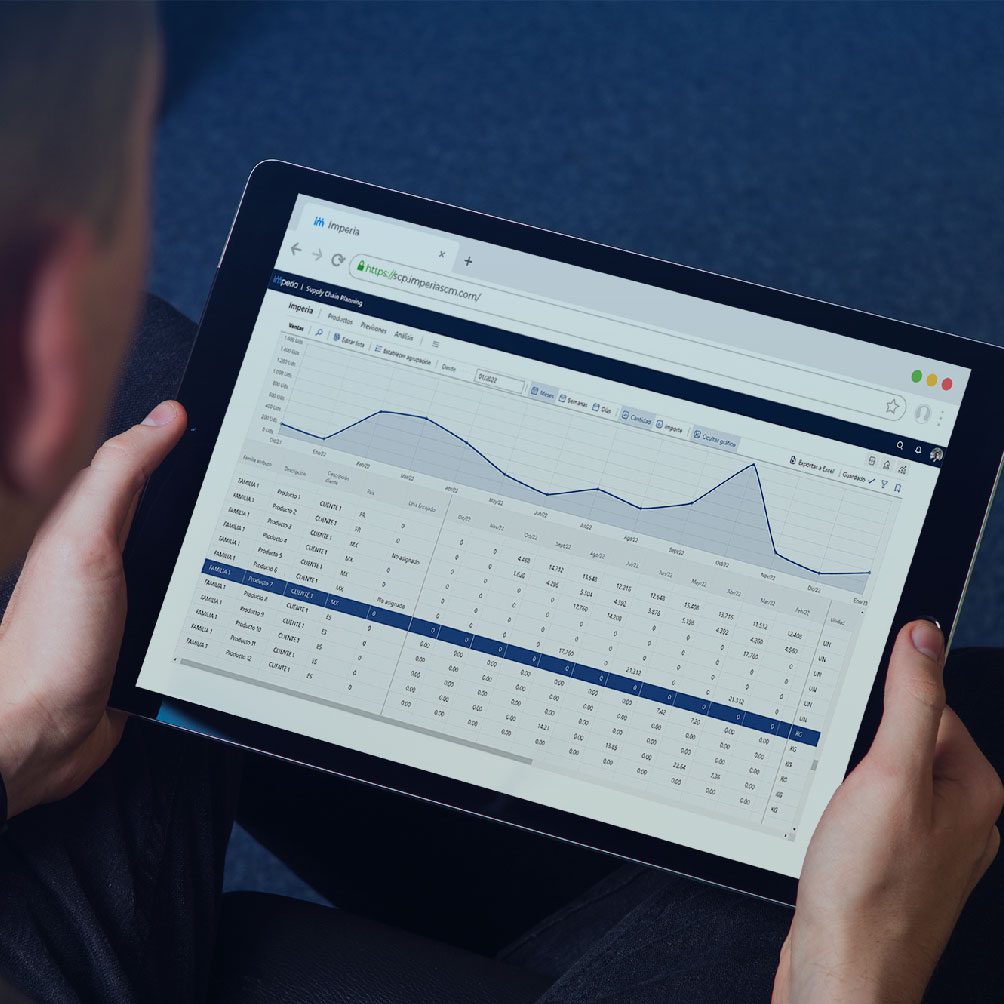
Unleashing Analytical Power with Machine Learning
As organizations grapple with the ever-evolving dynamics of the global market, the integration of machine learning in market trend forecasting becomes increasingly essential. By leveraging advanced algorithms and computational power, businesses are now capable of predicting future market behaviors with remarkable precision. This not only enhances strategic planning but also helps in tailoring products and services to better meet consumer demands.
At the core of this transformation is the ability of machine learning to process vast amounts of data and extract meaningful insights in real-time. Traditional forecasting methods often rely on historical data and linear trends, which can limit their effectiveness in a volatile market. In contrast, machine learning models analyze patterns beyond basic statistics, accounting for complex variables and interactions that characterize consumer behavior and economic shifts.
The Mechanics Behind Machine Learning Forecasting
Machine learning forecasting relies on various techniques that reimagine the predictive landscape:
- Neural Networks: Inspired by human brain functionality, neural networks can model intricate patterns through layers of interconnected nodes. This is particularly useful in financial sectors where market conditions fluctuate rapidly, allowing firms to identify potential trends based on non-linear data relationships.
- Time Series Analysis: This technique focuses on analyzing time-ordered data points, crucial for identifying patterns over specific periods. Businesses use time series forecasting to predict seasonality in sales or economic changes, leading to better inventory management, budget planning, and promotional strategies.
- Natural Language Processing (NLP): NLP enables machines to interpret and analyze human language. Companies can utilize NLP to analyze social media trends and sentiment, gaining insights into public perceptions about products or services, which can significantly influence market strategies.
The benefit of these methods is clear; they empower organizations to move from reactive planning to proactive decision-making. For instance, a tech company can utilize neural networks to identify engagement trends in user data, tailoring their product development to align with consumer preferences before they become mainstream.
Machine Learning in Action: Case Studies
Numerous companies illustrate the successful application of machine learning in market trend forecasting:
- Netflix: Leveraging machine learning algorithms, Netflix analyzes subscriber behavior and viewing patterns to inform content recommendations and even decide which shows to produce, ensuring alignment with user preferences and maximized viewer engagement.
- Target: The retail giant employs machine learning to analyze customer purchase history and behavior, allowing for personalized marketing strategies that resonate more effectively with their audience, boosting conversion rates.
- Spotify: By applying machine learning to users’ listening habits, Spotify curates personalized playlists that enhance user experience and retention, directly impacting its growth and market share.
The continuous evolution of machine learning technologies offers organizations extensive opportunities to refine their forecasting capabilities. As they harness data to unlock insights, companies are better positioned to create customer-centric strategies that anticipate market needs and drive sustainable growth.
The Impact of Machine Learning on Market Trends
In recent years, the integration of machine learning into market trend forecasting has ushered in unprecedented changes in how businesses approach their strategies. By utilizing complex algorithms and vast datasets, companies can significantly enhance their predictive capabilities, leading to more informed decision-making.
Machine learning models can process vast amounts of historical market data, identifying patterns that humans might overlook. This capability allows for better risk assessment and more accurate projections of market fluctuations. Businesses leveraging these insights can adapt quickly to changing market conditions, optimizing their offerings and maximizing profitability.
Moreover, the application of artificial intelligence in market forecasting facilitates real-time analysis, enabling organizations to react to immediate trends. Predictions based on up-to-date information are critical for staying ahead in competitive sectors. This shift towards data-driven strategies enhances customer targeting, investment allocations, and inventory management.
| Category | Key Features |
|---|---|
| Data Analysis | Utilization of vast datasets to uncover hidden trends. |
| Real-Time Predictions | Instant market analysis for swift decision-making. |
As industries embrace the possibilities brought about by machine learning, staying updated with the latest technological advancements ensures that businesses can maintain a competitive edge. Exploring this innovative intersection of technology and market analysis opens up a myriad of opportunities for growth and efficiency.
DISCOVER MORE: Click here for additional insights
Strategic Implementation of Machine Learning for Competitive Advantage
The integration of machine learning in market trend forecasting is not just a technological upgrade; it’s a strategic necessity that allows businesses to excel in a competitive landscape. Each implementation comes with its unique challenges and opportunities that can significantly impact an organization’s operational efficiency and market adaptability.
One of the pivotal aspects of harnessing machine learning for forecasting is the need for quality data. Organizations must establish robust data-gathering mechanisms to ensure they are capturing relevant information. This includes not only sales and transaction data but also external factors such as economic indicators, geopolitical events, and consumer sentiment. Companies like Amazon exemplify this approach by leveraging vast datasets from various sources, allowing them to refine their predictions and adapt their inventory and marketing strategies accordingly. Amazon’s use of predictive analytics optimizes supply chain management, ensuring that they excel during peak shopping seasons.
Challenges and Opportunities in Machine Learning Adoption
Despite the promising applications of machine learning in market trend forecasting, organizations must navigate various challenges:
- Data Privacy and Compliance: As data privacy laws tighten globally, including regulations like the California Consumer Privacy Act (CCPA), businesses need to ensure that their data collection practices comply with legal standards. Failure to do so can lead to significant penalties and damage to brand reputation.
- Resource Investment: Developing and fine-tuning machine learning models requires a significant investment in technology and talent. Organizations often need to train data scientists and analysts who can interpret complex models effectively, leading to budget considerations that are crucial for smaller enterprises.
- Interpreting Outcomes: The “black box” nature of some machine learning models can complicate the interpretation of predictions. Companies must prioritize models that not only perform well but also allow for explainability. Understanding the rationale behind predictions is essential for aligning forecasting insights with business strategies.
While the hurdles are significant, the opportunities presented by adopting machine learning for market trend forecasting can yield substantial rewards. Enhanced customer segmentation, for instance, allows businesses to tailor their marketing efforts based on predictive insights, refining their message to resonate with specific demographics. Facebook uses machine learning to optimize ad targeting, analyzing user behavior to forecast trends, thus maximizing advertiser ROI through relevant placements.
The Future is Predictive: Embracing AI and Automation
As the technology landscape evolves, the integration of artificial intelligence (AI) with machine learning is set to revolutionize market trend forecasting further. By combining these technologies, businesses can achieve unprecedented levels of insight and automation. The potential for real-time adaptive strategies means organizations can pivot quickly in response to emerging trends. For example, the automotive giant Tesla employs machine learning algorithms to forecast demand for specific models based on market trends and consumer preferences, ensuring they stay ahead of the curve.
The landscape of market trend forecasting is rapidly changing. Companies that invest in machine learning not only gain predictive capabilities but also the ability to foster a culture of data-driven decision-making. As consumers’ needs and market conditions continue to shift, the ability to pivot based on predictive insights will determine which companies emerge as leaders in their sectors. The future of market forecasting is not just predictive; it is transformative, driven by the ambition to harness the power of data in a meaningful and impactful way.
DISCOVER MORE: Click here for additional insights
Conclusion: A Data-Driven Future Awaits
As we step into an era defined by rapid technological advancements, the use of machine learning in market trend forecasting emerges not just as an option, but as a fundamental pillar for sustainable business growth. The ability to glean actionable insights from vast datasets positions organizations to better anticipate consumer behavior, adapt to shifting market dynamics, and innovate accordingly. The potential to refine algorithms for more accurate predictions opens doors for businesses to tailor their strategies with unprecedented precision.
However, embracing machine learning is a multifaceted endeavor; it requires a commitment to resolving challenges such as data privacy compliance, resource allocation for technology and talent, and the interpretation of predictive models. Companies that prioritize transparency in their machine learning processes will find themselves at a significant advantage, cultivating trust with consumers while enhancing internal decision-making.
Furthermore, as artificial intelligence increasingly intertwines with machine learning, the synergy of these technologies promises even more remarkable capabilities. Organizations that understand the need for continuous adaptation and learning within their forecasting strategies will likely lead their respective industries into a future of dynamic, data-driven innovation.
Ultimately, the use of machine learning in market trend forecasting is not merely about keeping pace with competitors; it’s about fostering resilience, maximizing opportunities, and embracing the transformative power of data. Those who invest wisely in this technology stand to gain not only market insights but also a strategic edge, positioning themselves as leaders in an ever-evolving landscape.
Related posts:
The Future of Machine Learning in Virtual Assistants and Human-Computer Interaction
The Influence of Machine Learning on Digital Content Creation and Personalized Marketing
The Impact of Machine Learning on the Healthcare Industry
Machine Learning and Sustainability: Solutions for the Climate Crisis
Machine Learning in Industry Automation: Challenges and Opportunities
Machine Learning Techniques for Financial Fraud Detection

Beatriz Johnson is a seasoned AI strategist and writer with a passion for simplifying the complexities of artificial intelligence and machine learning. With over a decade of experience in the tech industry, she specializes in topics like generative AI, automation tools, and emerging AI trends. Through her work on our website, Beatriz empowers readers to make informed decisions about adopting AI technologies and stay ahead in the rapidly evolving digital landscape.