
The Impact of Neural Networks on Industrial Automation
In an era where industries are constantly striving to enhance their productivity while minimizing operational costs, neural networks have emerged as game-changing tools. These intricate algorithms, inspired by the human brain, are transforming the capabilities of industrial automation by enabling systems to learn from data, recognize patterns, and make informed decisions autonomously. Their benefits extend beyond mere automation; they redefine the very processes that constitute modern industry.
One significant application of neural networks in industrial settings is predictive maintenance. By continuously monitoring machinery performance and analyzing historical data, these systems can identify subtle anomalies that may indicate potential failures. For example, in the manufacturing sector, predictive maintenance can prevent costly machine breakdowns, as companies like General Electric have demonstrated through their Industrial Internet of Things (IIoT) solutions. By adopting neural networks, companies can shift from reactive maintenance to proactive strategies, ultimately reducing unscheduled downtimes and conserving resources.
An equally compelling utilization is in quality control. Traditional inspection methods often leave room for human error, leading to variations in product quality. However, neural networks can excel in tasks such as visual inspection by utilizing computer vision techniques. For instance, in the automotive industry, Tesla employs neural networks to assess vehicle assembly lines and identify defects in real-time. This approach ensures an exceptionally high level of precision and consistency, fostering consumer trust and enhancing brand reputation.
Moreover, supply chain optimization represents another critical area where neural networks are making waves. As businesses embrace e-commerce, understanding consumer demand is more crucial than ever. Neural networks analyze vast datasets, including historical sales data and current market trends to predict future demand accurately. Companies like Amazon leverage these insights to optimize their inventory management systems, reducing waste and improving order fulfillment rates. This capability not only boosts efficiency but also leads to substantial cost savings, allowing businesses to remain competitive in an ever-evolving marketplace.
The integration of neural networks is not limited to any single industry; from pharmaceuticals streamlining drug development processes to agriculture enhancing yield predictions, possibilities abound. As industries across the United States rapidly adopt these technologies, we are likely to witness profound changes in operational practices, workforce dynamics, and competitive landscapes.
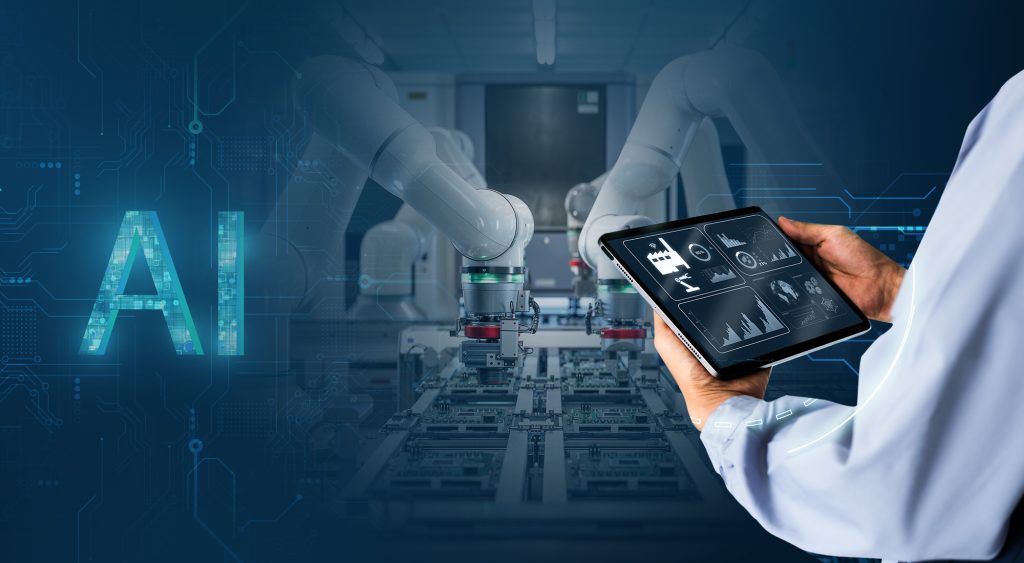
As innovators continue to explore the potential of neural networks, the question looms larger: how will industries adapt to these advancements, and what new boundaries will be established in the realm of automation? The exploration of this intersection between technology and industry is not just an inquiry but a journey into the future of production itself.
DISCOVER MORE: Click here for further insights
Revolutionizing Processes Through Machine Learning
As industries continue to evolve, the incorporation of neural networks into various processes is reshaping the landscape of production and efficiency. Central to the advancements in industrial automation, these algorithms harness the power of machine learning, enabling machines to perform complex tasks that were once deemed exclusive to human capabilities. This capability is driven by the need for increased efficiency and precision, which is essential for remaining competitive in today’s fast-paced market.
One of the most notable integrations of neural networks in industrial automation is in robotic process automation (RPA). By employing neural networks, robots can learn from their experiences within manufacturing environments. This self-improvement not only increases their performance over time but also enhances the speed and accuracy of production. For instance, companies such as Siemens have implemented smart robotics that can adapt to new tasks without the need for manual programming, showcasing the versatility that neural networks bring to industrial automation.
Data analysis is another critical area where neural networks are making a significant impact. In an industry characterized by vast amounts of data generated from various sources, the ability to analyze this information accurately becomes paramount. Neural networks facilitate deep learning, allowing for sophisticated analysis of trends and patterns that the human eye may miss. For example, in the food processing sector, systems can analyze variables like temperature and humidity to predict optimal conditions for product quality, ensuring that output meets stringent safety standards.
As the market becomes increasingly consumer-driven, the rise of personalization and customization in production is transforming how businesses approach manufacturing. Neural networks enable firms to analyze customer preferences and behavior, allowing for tailor-made products and services that resonate with individual preferences. This shift is particularly evident in the fashion industry, with brands utilizing neural networks to predict trends and adjust inventory accordingly. Such adaptability not only enhances customer satisfaction but also leads to improved resource management, a crucial element in today’s sustainable practices.
The advantages conferred by implementing neural networks extend to labor optimization as well. By automating repetitive tasks, businesses can refocus human resources towards higher-value operations that require critical thinking and creativity. The interplay between human workers and neural networks is redefining job roles, prompting a need for upskilling workers to collaborate effectively with intelligent systems. In this context, the workforce must be equipped with the skills necessary to interface with advanced technologies, paving the way for a new class of hybrid workers.
In summary, the adoption of neural networks in industrial automation is not a mere trend but rather a profound transformation that enhances operational capabilities across various sectors. From improving predictive maintenance to enabling agile manufacturing processes, the infusion of these technologies is setting the stage for a future where industries operate with unprecedented efficiency and adaptability. The journey to full integration may still be underway, but as industries embrace the change, their potential to redefine productivity remains limitless.
Neural Networks and Their Role in Industrial Automation
Neural networks are revolutionizing the landscape of industrial automation by enhancing the efficiency and effectiveness of production processes. These sophisticated algorithms are capable of learning and adapting over time, allowing for improved decision-making and operational performance. The integration of neural networks into manufacturing systems enables predictive maintenance, reducing downtime and improving overall equipment efficiency (OEE). Moreover, neural networks analyze vast amounts of data generated from industrial operations to identify patterns and anomalies that would be invisible to traditional analysis methods. This real-time analysis leads to quicker responses to production challenges, ensuring minimal disruption and optimal output. One notable example of this application is in quality control, where neural networks can detect defects in products faster than conventional methods, thereby enhancing product quality and customer satisfaction.Additionally, the use of neural networks facilitates the implementation of smart factories, embracing concepts like the Internet of Things (IoT) and big data. This interconnected ecosystem allows for seamless communication between machines, leading to automated adjustments in production processes based on real-time feedback. As industries continue to embrace these advanced technologies, the synergy between neural networks and industrial automation will undoubtedly lead to unprecedented improvements in productivity and efficiency.
Exploring the Advantages of Neural Networks in Industrial Automation
| Advantage | Description |
|---|---|
| Enhanced Predictive Maintenance | By utilizing neural networks, systems can predict when machinery is likely to fail, allowing proactive interventions that significantly reduce downtime. |
| Improved Quality Control | Neural networks can analyze images and product features to detect defects that human inspectors might miss, ensuring higher quality standards are met. |
| Data-Driven Decision Making | With the ability to process large datasets, neural networks provide insights that enhance decision-making with accuracy and efficiency. |
| Operational Efficiency | Automating routine tasks through neural networks reduces labor costs and increases productivity, allowing human workers to focus on more complex tasks. |
As industries increasingly leverage the power of neural networks, the transformation of the productive sector is not just a possibility; it’s becoming a reality. The continued exploration of these advanced systems is crucial for companies aspiring to remain competitive in a rapidly evolving digital landscape.
DON’T MISS: Click here for more insights
Enhancing Decision-Making with Predictive Analytics
In the realm of industrial automation, the role of neural networks extends beyond operational efficiency to influencing strategic decision-making through predictive analytics. By leveraging the capabilities of neural networks, industries can forecast demand patterns and market trends with unprecedented accuracy. For instance, in the automotive sector, companies like Ford and Tesla utilize these advanced algorithms to predict consumer preferences and optimize production schedules. This proactive approach not only mitigates the risks associated with fluctuating demand but also maximizes inventory efficiency, ultimately leading to cost savings.
Furthermore, the realm of maintenance has been revolutionized by the integration of neural networks. The concept of predictive maintenance employs data-driven insights to anticipate equipment failures before they occur. Industries, particularly in manufacturing and oil and gas, have deployed neural networks to analyze historical data from machinery sensors. By recognizing patterns indicative of potential malfunctions, businesses can schedule timely maintenance, thereby minimizing downtime and prolonging the life of their assets. According to a report by McKinsey, predictive maintenance can reduce costs by up to 30%, exemplifying its importance in enhancing operational effectiveness.
Fostering Safety and Compliance
As companies embrace neural networks in their operations, the enhancement of safety standards and regulatory compliance comes to the forefront. In industries such as chemical manufacturing, neural networks are employed to monitor real-time processes, ensuring they adhere to safety guidelines. By analyzing conditions that lead to hazardous situations, predictive models can alert operators before issues escalate, thus safeguarding both personnel and the environment. For example, ExxonMobil has integrated neural network technologies into their systems to predict potential leaks or failures in equipment, a critical application in high-stakes environments.
Moreover, these intelligent systems contribute to the adherence of regulations imposed by governmental bodies. With the increasing complexity of compliance requirements, neural networks simplify the monitoring processes by sifting through vast sets of data to ensure that companies meet industry standards. This capability not only reduces the risk of costly fines but also enhances a company’s reputation as a responsible entity in the marketplace.
Driving Sustainability Initiatives
The integration of neural networks is also pivotal in driving sustainability initiatives across industries. As more sectors face pressure to reduce their carbon footprint, these intelligent systems can optimize energy consumption and resource utilization. For instance, in the manufacturing sector, advanced algorithms can analyze production processes to identify inefficiencies related to energy use. Companies like General Electric employ neural networks to minimize energy consumption in machinery, translating into lower operational costs and environmental impact.
Additionally, the application of neural networks facilitates the development of sustainable supply chains. By improving forecasting and logistics, companies can reduce waste and enhance efficiency. For example, UPS uses predictive analytics driven by neural networks to optimize delivery routes, leading to reduced fuel consumption and lower emissions. This shift towards eco-friendly practices not only aids in compliance with environmental regulations but also appeals to a growing consumer base that prioritizes sustainability.
In conclusion, as neural networks continue to be embedded into the fabric of industrial automation, their multifaceted applications are influencing all aspects of production, from operational efficiency to environmental sustainability. With these advancements shaping future paradigms, industries stand at the threshold of a new era defined by unprecedented innovation and enhanced productivity.
DISCOVER MORE: Click here to learn more
Conclusion
In summary, the integration of neural networks into the field of industrial automation is not merely a trend; it represents a seismic shift in how industries operate and innovate. From enhancing decision-making through predictive analytics to transforming maintenance practices via predictive maintenance, the versatility of these systems is profound. Companies are not only reaping financial rewards through efficiency gains but also fostering safer work environments and adhering to compliance regulations that are increasingly complex.
The significance of neural networks extends beyond immediate operational benefits, playing a vital role in driving sustainability initiatives. As industries face mounting pressure to minimize their ecological footprints, these intelligent systems present an avenue for optimizing resource use and reducing waste. Businesses that prioritize these technologies, such as UPS and General Electric, are not only enhancing their market competitiveness, but they are also resonating with a customer base increasingly concerned with environmental impact.
Looking forward, it is evident that the relationship between neural networks and industrial automation is destined to deepen. Companies willing to embrace this technological evolution will find themselves at the forefront of a new industrial era, characterized by innovation, efficiency, and responsibility. The future is bright, but only for those who are prepared to adapt and evolve. As we stand on the cusp of this transformative chapter, it is essential for stakeholders across the productive sector to continue exploring the full potential of neural networks—thereby ensuring that they do not just survive but thrive in an ever-changing landscape.
Related posts:
Ethical and Transparency Challenges in Neural Networks for AI Applications
The Evolution of Neural Networks: From Perceptrons to Deep Learning Models
The Role of Neural Networks in the Generation of Art and Music
Convolutional Neural Networks: Transforming Computer Vision
Neural Networks in Natural Language Processing: Advances and Challenges
Neural Networks and Sustainability: Applications in Renewable Energy and Energy Efficiency

Beatriz Johnson is a seasoned AI strategist and writer with a passion for simplifying the complexities of artificial intelligence and machine learning. With over a decade of experience in the tech industry, she specializes in topics like generative AI, automation tools, and emerging AI trends. Through her work on our website, Beatriz empowers readers to make informed decisions about adopting AI technologies and stay ahead in the rapidly evolving digital landscape.