How to Cultivate Calm in Noisy and Chaotic Environments
Understanding the Sources of Daily Noise
In our modern lives, external chaos is almost an inescapable reality. The relentless noise of honking cars in busy metropolitan areas, the endless chatter in open-plan offices, and the multi-layered sounds of laughter and conversation in public spaces all amalgamate into a daily din that can feel suffocating. This sensory overload can lead to significant psychological affects, including increased levels of stress and anxiety.
Key Contributors to Everyday Noise
To effectively combat this noise, it is crucial to identify its sources. Consider the following factors that play a pivotal role:
- Traffic and transportation: In cities such as New York and Los Angeles, the roar of traffic can often feel unbeatable. The frustration of being stuck in long commutes, combined with the blaring of horns and the whir of buses, contributes significantly to daily stress.
- Workplace chatter and meetings: The contemporary workplace increasingly embraces open office layouts where conversations can easily become distracting. The constant background noise of colleagues discussing projects, making phone calls, or engaging in quick chats can be overwhelming, especially for those whose tasks require deep concentration.
- Social interactions in public settings: Cafés, public transport, and even shopping malls buzz with a vibrant energy that, while sometimes enjoyable, can also serve as a source of frustration for those seeking a moment of peace.
Strategies for Cultivating Calm
Despite these distractions, there are effective strategies individuals can adopt to cultivate a sense of calm amidst the tumult. For instance:
- Mindful breathing exercises: Simple breathing techniques, such as the 4-7-8 method, allow individuals to ground themselves. Inhaling for four seconds, holding for seven, and exhaling for eight can swiftly reduce anxiety levels in the moment.
- Utilizing noise-canceling headphones: Many people find solace in listening to calming music or white noise, providing a personal sound barrier that helps filter out the chaos around them.
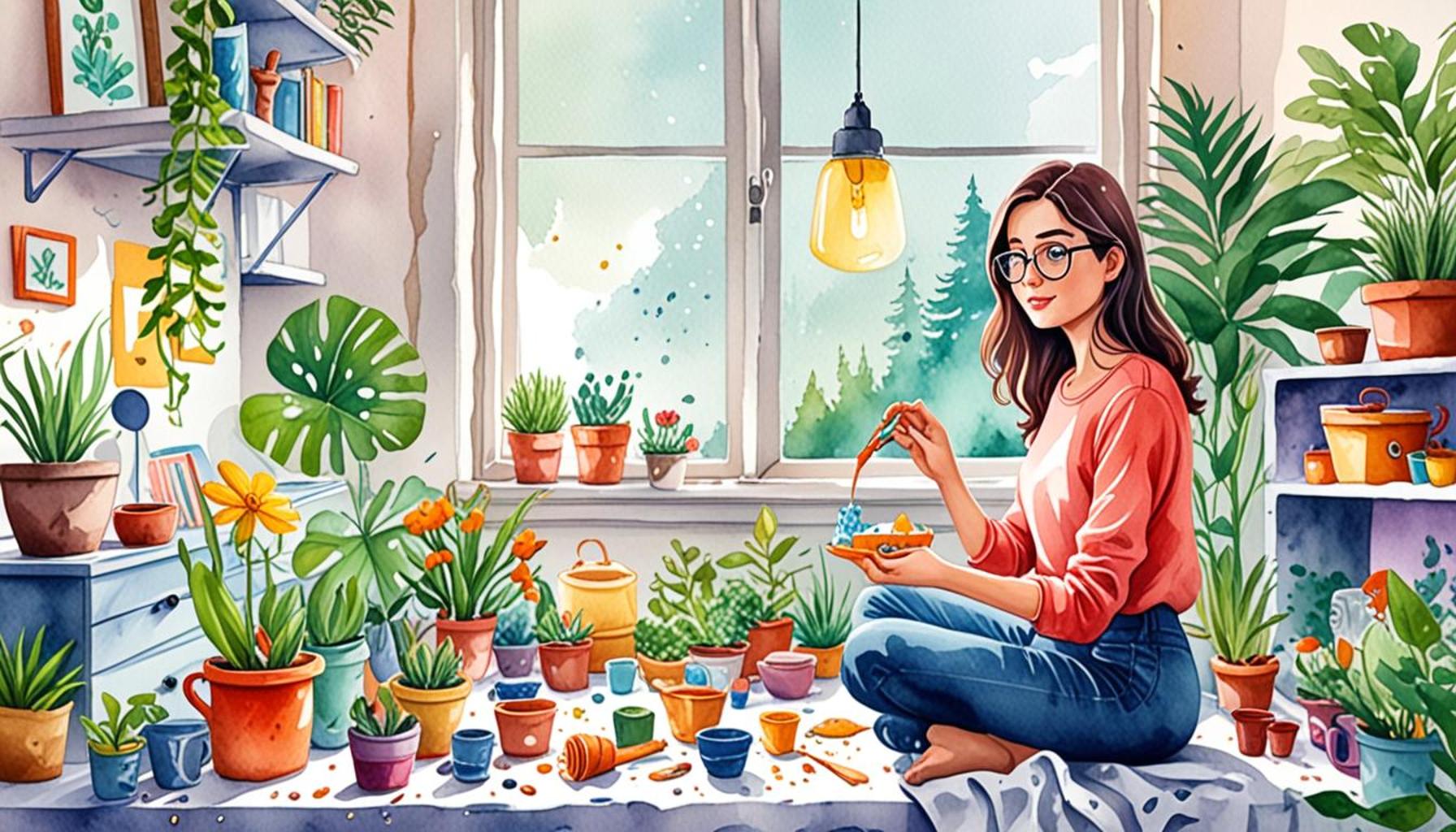
- Establishing a personal sanctuary: Creating a small, dedicated space in your home for relaxation, equipped with calming colors, plants, and soft lighting, can ensure that you have a retreat to escape to when the outer world becomes too agitated.
By actively engaging in these techniques, individuals can take substantive steps toward reclaiming their peace of mind. It is important to recognize that noisy environments do not define our mental state. Instead, with deliberate approaches, we can cultivate serenity, even amidst the storm of daily life. Understanding how to navigate these challenging spaces is not merely valuable; it is essential for fostering a more tranquil existence.
In our exploration, we will delve deeper into these effective strategies, empowering you with the tools needed to maintain calm, even when the world around you buzzes with chaos.
CHECK OUT: Click here to explore more
Strategies for Creating an Oasis of Tranquility
In a world where noise seems to be an unrelenting force, cultivating calm in noisy and chaotic environments requires a multi-faceted approach. While the external factors may be beyond our control, the way we respond to them can significantly impact our mental and emotional well-being. Here, we delve into practical strategies that can transform a cacophonous atmosphere into a peaceful sanctuary.
Creating a Mindful Routine
One of the most effective ways to foster tranquility amidst chaos is to establish a mindful routine. This doesn’t necessitate hours of meditation; rather, it can be as simple as dedicating a few moments each day to be present. Incorporating techniques such as:
- Morning mindfulness practice: Start your day with a short session of mindfulness meditation. A mere ten minutes of focusing on your breath or guiding your thoughts through a mindfulness app can set a positive tone for the day.
- Scheduled breaks: Throughout your work or daily activities, take scheduled breaks to step away from the noise. These moments of pause—not just physical but also mental—can provide the much-needed reset to handle ongoing distractions.
- Gratitude journaling: End your day by jotting down three things you are grateful for. This practice not only aids in shifting your focus from chaos but also cultivates a mindset of positivity.
Data from a recent study conducted by the American Psychological Association indicated that participants who engaged in regular mindfulness practices reported a significant decrease in stress levels and an increase in overall life satisfaction. This serves as evidence that a mindful approach does not just pacify the mind; it enhances overall well-being.
Harnessing Technology for Calm
In our hyper-connected age, technology can often amplify noise levels, but it can also serve as a helpful ally in the pursuit of calm. Consider employing these technological strategies:
- Calm-induced applications: There are numerous apps available designed specifically for relaxation and focus, such as Headspace or Calm. These apps often provide guided meditations, sleep stories, and ambient sounds that can help create a serene environment amidst external noise.
- Smart sound machines: Investing in a sound machine can be a transformative step. By simulating soothing sounds like rain or ocean waves, these devices can mask disruptive background noise and help you maintain focus.
- Digital detox: Designate specific times to disconnect from digital devices. Reducing screen time can minimize overstimulation and allow your mind the chance to unwind.
By utilizing technology mindfully, individuals can synchronize their digital interactions to foster a more serene atmosphere, weakening the grip of the surrounding chaos.
As we learn to identify the techniques that resonate with us personally, we gain the ability to reclaim our calm even in the noisiest environments. Proceeding beyond mere survival in chaotic surroundings, these strategies empower us to live fully and freely, even amidst noise. Stay tuned as we further explore additional tools and approaches that can facilitate a more tranquil experience in our lives.
| Methods | Benefits |
|---|---|
| Mindfulness Meditation | Promotes focus and helps reduce stress levels by training the mind to return to the present moment. |
| Breathing Techniques | Enhances relaxation and decreases feelings of anxiety, allowing individuals to regain control even in chaotic surroundings. |
| Nature Sounds | Creates an immersive atmosphere that drowns out noise, fostering a sense of tranquility amidst disturbances. |
| Visualization Exercises | Capsulates the mind in a peaceful space, helping to mitigate feelings of chaos by focusing on positive imagery. |
Incorporating these methods into daily life can significantly enhance your ability to maintain calm in less than ideal environments. By practicing mindfulness meditation, you train your mind to navigate distractions with greater ease. Breathing techniques serve as a powerful tool to cultivate immediate relaxation, even amidst commotion. Furthermore, integrating nature sounds, such as ocean waves or bird songs, can scientifically influence your mood, promoting a peaceful mindset. Finally, visualization exercises empower your psyche by allowing you to create serene mental landscapes that serve as safe havens during stressful situations. Explore these practices to develop your own sanctuary of calm, ensuring a balanced approach to chaotic environments.
CHECK OUT: Click here to explore more
Integrating Sensory Elements for Serenity
Another powerful strategy to cultivate calm in noisy and chaotic environments is by integrating sensory elements. Our senses have a profound impact on our perception of the environment around us, and by consciously curating these sensations, we can foster a sense of tranquility even in the most tumultuous settings. Below are some ideas to consider:
Visual Calming Techniques
Our visual surroundings can either contribute to chaos or cultivate peace. By selectively choosing what we allow our eyes to perceive, we can enhance our sense of calm:
- Incorporate greenery: Plants have been shown to reduce stress and create a soothing atmosphere. Consider adding office plants or succulents to your workspace; studies from the Horticulture Research Institute suggest that even a small touch of greenery can improve mood and productivity.
- Utilize calming color palettes: Color psychology plays a crucial role in our emotional responses. Soft blues, greens, and neutral tones can evoke a sense of calmness and relaxation. Repainting a room or choosing decor in these shades can significantly alter the energy of a space.
- Declutter your space: A cluttered environment can heighten feelings of anxiety and overwhelm. Take time to organize your surroundings, making space for the visually pleasing and functional items that bring you joy and peace.
Engaging Your Sense of Smell
The sense of smell is particularly potent when it comes to evoking emotions and memories. Utilizing scents that promote calm can significantly impact how we feel in a noisy environment:
- Aromatherapy: Essential oils such as lavender, chamomile, and sandalwood are known for their calming properties. Using a diffuser or scented candles can transform a chaotic environment into a relaxing oasis. A study published in the International Journal of Environmental Research and Public Health found that lavender oil significantly reduced stress levels in participants.
- Natural scents: Consider utilizing fresh air to your advantage. Opening windows to let in fresh air can introduce calming natural scents from the outdoors, such as grass or rain, even in an urban environment.
- Culinary scents: A home-cooked meal or baking can create comforting aromas that promote relaxation. Engaging in these activities can also serve as a form of mindfulness, allowing you to immerse yourself completely in the process.
Soundscapes for Serenity
While silence is not always attainable, manipulating sound can greatly enhance the feeling of serenity:
- Nature sounds: Listening to recordings of natural soundscapes, such as chirping birds or rustling leaves, can transport you away from urban chaos. Many find these sounds beneficial for relaxation and concentration, with research showing they can lower blood pressure and stress hormone levels.
- Healing frequencies: Utilizing music or sounds designed to produce healing frequencies, such as binaural beats or Solfeggio frequencies, can facilitate deep relaxation and higher focus. Tools like Spotify and YouTube offer numerous playlists dedicated to calming music that can be integrated into your daily routine.
- Controlled background noise: Sometimes, embracing sound can also be a strategic approach. Utilizing white noise or brown noise machines can mask disruptive noises while creating a consistent sound backdrop that promotes concentration.
When we harness the sensory elements around us, we can take significant steps toward creating an environment that fosters inner peace. By engaging with visuals, aromas, and sounds intentionally, we can reclaim a sense of calmness, enabling us to navigate even the most chaotic settings with grace and resilience.
SEE ALSO: Click here to read another article
Finding Your Oasis Amidst the Noise
In a world rife with distractions and cacophony, learning how to cultivate calm in noisy and chaotic environments is not merely a luxury—it is essential for our mental well-being. As we’ve explored, implementing sensory elements—from the vibrant greens of plants to the soothing tones of calming colors—can transform our surroundings into sanctuaries of tranquility. This deliberate engagement with our senses allows us to regain control, making it easier to focus and create a reflective space even amidst turmoil.
Moreover, the simple act of incorporating pleasant aromas and soundscapes can prove invaluable. Whether it’s the soft scent of lavender or the gentle hum of nature sounds, these sensory touchstones serve as anchors, guiding us back to a place of serenity. As stress continues to be a prevalent factor in modern life, embracing these strategies may not only enhance our emotional resilience but also improve overall productivity.
Furthermore, it’s crucial to recognize that each individual may require different methods for finding calm. Experimentation is key—what resonates with one person might not with another. By actively seeking and integrating these calming techniques into everyday life, we embark on a journey toward not just surviving, but thriving in the midst of chaos. The more we practice, the more adept we become at weathering life’s storms with grace and serenity. As you step into your day, consider which tools you will utilize to cultivate your own oasis of calm, regardless of external circumstances.
Related posts:
Organize Your Day to Reduce Mental Overload Practical Tips
Gentle Digital Detox Reduce Anxiety Without Leaving the Internet
How to Reduce Mental Rumination with Simple Techniques
Emotional Burnout Signs Early Detection Action Steps Guide
Daily Strategies to Reduce Social Anxiety Effective Tips Methods
Breathing Tools to Quickly Reduce Stress in Minutes

Linda Carter is a writer and affirmation specialist who helps individuals harness the transformative power of daily positive self-talk. With extensive experience teaching mindset-shifting techniques, she shares neuroscience-backed affirmation practices on our platform to build self-worth, reprogram limiting beliefs, and manifest personal growth. Her goal is to equip readers with uplifting daily rituals that create lasting positive change.