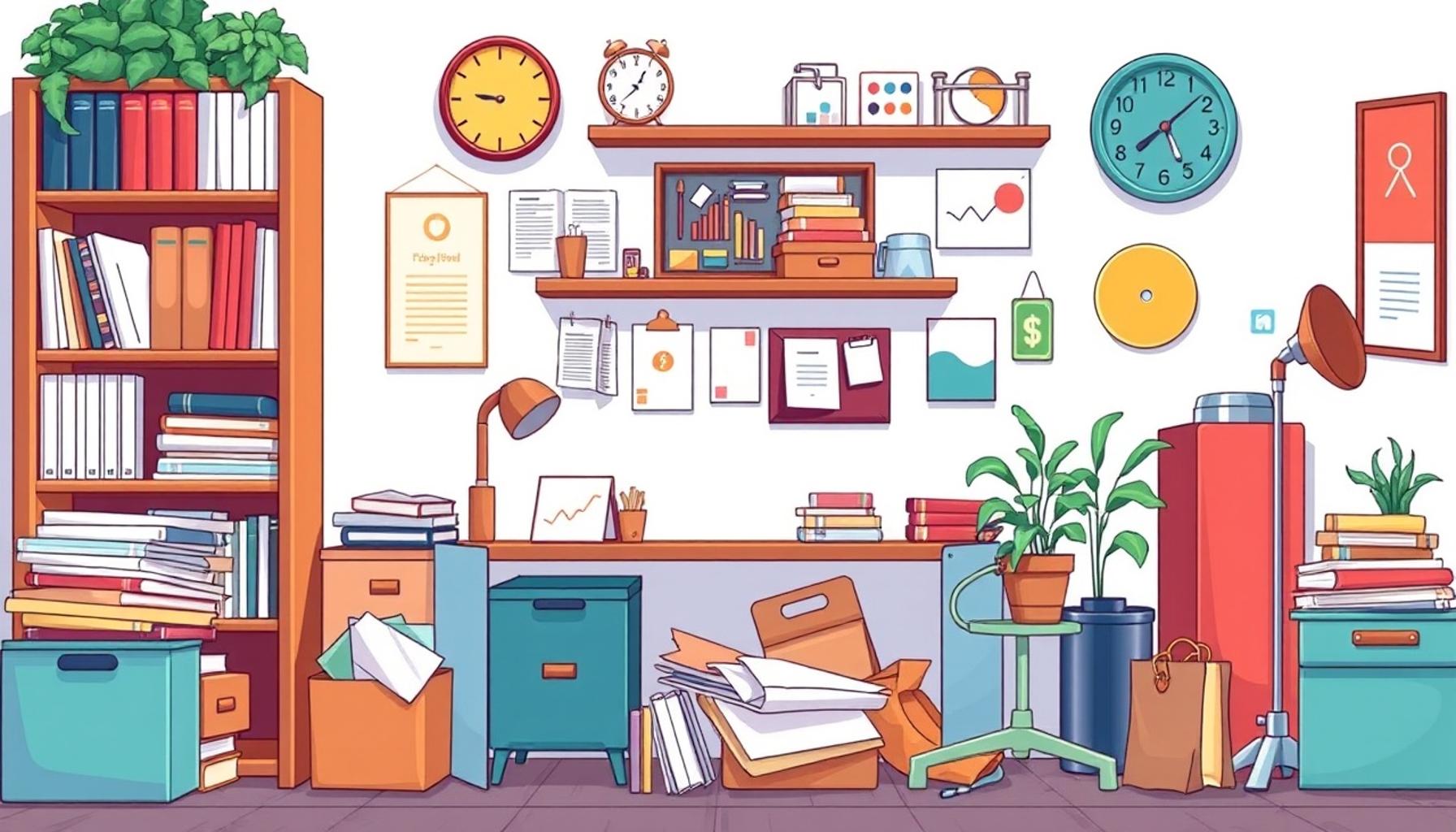
Practical Strategies to Reduce Clutter at Home

The Importance of Addressing Clutter
In today’s fast-paced world, clutter can quickly accumulate, transforming our homes into chaotic spaces. Whether it’s stacks of unread mail, overflowing closets, or an excess of knick-knacks, the burden of disorganization can become overwhelming. According to a study published in the Personality and Social Psychology Bulletin, individuals living in cluttered spaces often experience increased stress and anxiety, which can significantly impact productivity and mental health. Understanding effective methods to manage and reduce clutter is essential for creating a peaceful environment conducive to relaxation and productivity.
Here are some practical strategies that can help streamline your home:
- Declutter Regularly: Establish a routine for assessing belongings — monthly, quarterly, or seasonally. By setting specific times to declutter, you can prevent the build-up of unnecessary items. For instance, after holiday seasons when new gifts are received, is an ideal time to sort through possessions.
- The One-In, One-Out Rule: For every new item brought in, an existing one should be donated or discarded. This helps maintain balance and encourages mindful purchasing. For example, if you buy a new pair of shoes, consider donating an older pair that you no longer wear.
- Utilize Storage Solutions: Invest in multi-functional furniture, such as ottomans with storage capabilities or coffee tables that can hold books and magazines. Additionally, storage bins can be utilized to keep seasonal items organized and out of the way, making a space feel more open and inviting.
The mental and physical benefits of a decluttered space are countless. Studies indicate that a tidy home can enhance productivity, decrease stress levels, and even lead to a more satisfying home life. A clean, organized environment enables better focus, as distractions are minimized. According to organizational experts, a neat workspace can significantly boost creativity and innovation. As you delve deeper into practical approaches, you’ll discover the transformative effects they can have on your living space and overall well-being.
Moreover, cultivating a habit of decluttering can lead to a more sustainable lifestyle. By reducing consumption and maintaining a mindful approach to your belongings, you’re contributing not only to your mental clarity but also to the environment. Ultimately, embracing these decluttering strategies is not just about physical space; it fosters a lifestyle shift towards intentional living and mindfulness.
DISCOVER MORE: Click here to dive deeper
Effective Decluttering Techniques
Reducing clutter in your home isn’t just about making a space look good; it’s about creating an atmosphere where you can thrive. As you embark on your decluttering journey, consider implementing a structured approach that keeps your home organized long-term. Here are some effective techniques to start reclaiming your space:
- Start Small: Taking on an entire room can feel daunting. Instead, focus on a single drawer, a cupboard, or a small corner of your home. By tackling manageable sections, you’ll avoid feeling overwhelmed and can witness the immediate impact of your efforts, providing motivation to continue further. For instance, you might start with a bathroom drawer overflowing with products. Clearing it can take as little as 10 minutes but will give you a sense of accomplishment and encourage you to move onto the next small project.
- The Four-Box Method: This technique involves designating four boxes for your items: Keep, Donate, Trash, and Storage. As you sort through your belongings, place each item into one of these boxes, which can help you make quick decisions and stay organized. Once finished, immediately act on the items in the Donate and Trash boxes to prevent second-guessing your choices. This method not only streamlines the process but also motivates action—knowing that the items you no longer need can help others or can be disposed of quickly brings peace of mind.
- Digital Decluttering: Think beyond physical items. Go through your digital spaces, such as emails, files, and photos. Unsubscribe from unnecessary newsletters, delete old files, and organize important documents into clearly labeled folders to create a virtual decluttered sanctuary. It’s easy to forget how much digital clutter exists; for example, the average American receives approximately 126 emails per day. By prioritizing your inbox and decluttering your computer files, you’ll enhance your productivity and create a space that feels lighter and more efficient.
- Establish a ‘Clutter-Free Zone’: Designate specific areas in your home where clutter is not allowed. This can be a shelf, a room, or even a specific corner. By setting boundaries, you create a space that remains consistently organized, serving as a reminder to maintain tidiness throughout the rest of your home. For example, you might choose your kitchen counter as a clutter-free zone. Keeping this area tidy can inspire you to extend those organization efforts to the rest of your home.
Maintaining a clutter-free home is an ongoing process that requires both commitment and practice. A 2021 survey by the American Psychological Association revealed that 63% of respondents said that their surroundings influenced their mental health, emphasizing the need for an organized living environment. Additionally, research from Cornell University demonstrates that clutter can significantly impact one’s ability to focus and process information effectively. Therefore, creating a serene space can positively influence not just your mood but your productivity levels.
It’s important to remain flexible with these strategies; what works for one family might not be effective for another. Thus, don’t hesitate to adapt and find methods that resonate with your lifestyle. Embrace trial and error—some people may find joy in a simple basket to collect mail and papers, while others may benefit from a full-fledged system of filing cabinets.
As you explore these techniques, you may find that simplification extends beyond your physical space. For example, embracing a minimalist mindset fosters more intentional purchasing decisions, minimizing buyer’s remorse and reducing future clutter. The path to a tidy home is ultimately about creating a favorable atmosphere for yourself and your loved ones, allowing for peace, clarity, and joy in your everyday life.
Effective Clutter Management Techniques
When tackling the issue of clutter at home, it’s essential to adopt effective strategies that can make a significant difference. One practical approach is the “One In, One Out” rule, where for every new item brought into the home, an old item must be removed. This helps in maintaining a sustainable balance and encourages mindful consumption.Additionally, creating designated spaces for items can be useful. Assign each category of belongings a specific area to ensure that everything has a place. This not only simplifies organization but also makes it easier to find items when needed. Regular decluttering sessions can also keep clutter at bay. Setting aside just 15 minutes each week can lead to remarkable results over time. Prioritize decluttering hotspots in your home—areas that tend to accumulate items over time, such as countertops and entryways.Incorporating storage solutions like bins, baskets, and shelves can maximize your space’s efficiency. Look for multi-functional furniture that can serve various purposes, providing storage without compromising aesthetic appeal. Furthermore, involving the whole family in decluttering can make the process more enjoyable and collaborative. Engage everyone in discussions about what items are essential and which can be discarded or donated, fostering a sense of responsibility toward maintaining a clutter-free environment.As you explore these strategies, consider how they can be tailored to fit your unique living space and lifestyle. The goal is to create a home that not only looks good but feels good, free of distractions and filled with peace.
| Category 1 | Category 2 |
|---|---|
| Clutter Reduction Techniques | Mindful consumption and organization. |
| Storing Solutions | Maximize space with bins, baskets, and multifunctional furniture. |
Incorporating these practical strategies can significantly aid in the journey to a clutter-free home, enhancing both functionality and tranquility in your living space.
DISCOVER MORE: Click here to learn the secrets of effective decluttering
Maintaining an Organized Lifestyle
Once you’ve tackled the initial decluttering process, sustaining a tidy environment becomes key to reducing clutter long-term. It’s not merely about clearing space; it’s about adopting habits that promote ongoing organization. Here are some practical strategies to incorporate into your daily routine:
- One In, One Out Rule: To keep clutter from creeping back into your life, establish a rule that for every new item you bring into your home, one must go. This could apply to clothing, kitchen gadgets, or decorative pieces. For example, if you buy a new shirt, consider donating an old one. This simple principle encourages mindfulness regarding your possessions and prevents accumulation.
- Daily Tidying Sessions: Implement short, daily decluttering sessions to keep your space organized. Dedicate just 10-15 minutes each day to put away items that have wandered from their designated spots. Whether it’s returning shoes to the closet, stacking magazines in a basket, or wiping down surfaces, these small daily efforts can have a significant cumulative effect on the overall tidiness of your home.
- Schedule Regular Clutter Purges: Set aside time on a monthly or seasonal basis to reassess your belongings. This helps prevent items from piling up unnoticed. Choose a specific day each month where you can revisit the contents of your home and determine what you can discard or donate. Consider events like spring cleaning or back-to-school times as natural opportunities for this purging process, which can breathe new life into your spaces.
- Utilize Horizontal Space: Optimize your home’s potential by using vertical and horizontal space wisely. Install shelves to store books, decorative items, or even baskets for smaller items. Making use of wall-mounted organizers in kitchens or entryways can help keep surfaces free from clutter, providing a streamlined look and ease of access. Simple products like storage bins or decorative boxes can transform clutter into organized collections that contribute positively to your décor.
Moreover, habit formation plays an essential role in maintaining a clutter-free lifestyle. According to the American Psychological Association, repeat behaviors become habits, creating comfort in routine. To help establish these habits, consider using reminders, be it phone alerts or sticky notes on your fridge. This approach can guide your efforts and reinforce your commitment to a clutter-free environment.
Utilizing technology can also enhance your organizational toolkit. Various apps designed explicitly for inventory management, budgeting, or even task management can aid in keeping track of what you own and what you need, making it easier to resist unnecessary purchases. Studies have indicated that using these digital tools can help people make better-informed decisions, significantly reducing the likelihood of impulsive buying that contributes to clutter.
It’s also worth revisiting the idea of mindfulness when it comes to your belongings. Incorporating a few moments each week to evaluate the purpose of your items can reignite your intention toward maintaining a clutter-free space. Ask yourself if each piece adds value to your life. If you find yourself holding onto objects for motives other than functional or emotional value, it might be time to reconsider their place in your home.
By integrating these strategies into your daily routine, maintaining an organized home can become second nature. A successful clutter-reduction process promotes not only a visually appealing environment but also enhances mental well-being, allowing you to enjoy and focus on the moments that truly matter in your life.
DISCOVER MORE: Click here for tips on efficient storage
Conclusion
In summary, adopting practical strategies to reduce clutter at home not only fosters a harmonious living environment but also positively influences your mental well-being. By implementing daily habits such as the One In, One Out rule and scheduling regular declutter sessions, you’re laying the foundation for a sustainable, organized lifestyle. These routines can transform overwhelming tasks into manageable actions, making organization a seamless part of your daily life.
Furthermore, leveraging modern technology, whether through apps designed for inventory management or reminders for maintaining your routines, can enhance your ability to stay on top of clutter. Combining these tools with a mindful approach to your belongings fosters a deeper connection between you and your possessions, ensuring that what you choose to keep holds genuine value in your life.
As you embark on your journey toward a decluttered home, it’s essential to remain patient and persistent. Clutter reduction is an ongoing process, reflective of your personal growth and evolving lifestyle. Each small step contributes to a larger goal of not just a tidy space but also a clear mind. In the end, an organized home allows you to focus on what truly matters, making room for passion, creativity, and cherished moments with loved ones. Embark on this journey to discover not just a clutter-free environment but a more intentional and fulfilling life.