How Minimalism Can Help Reduce Clutter in Small Spaces
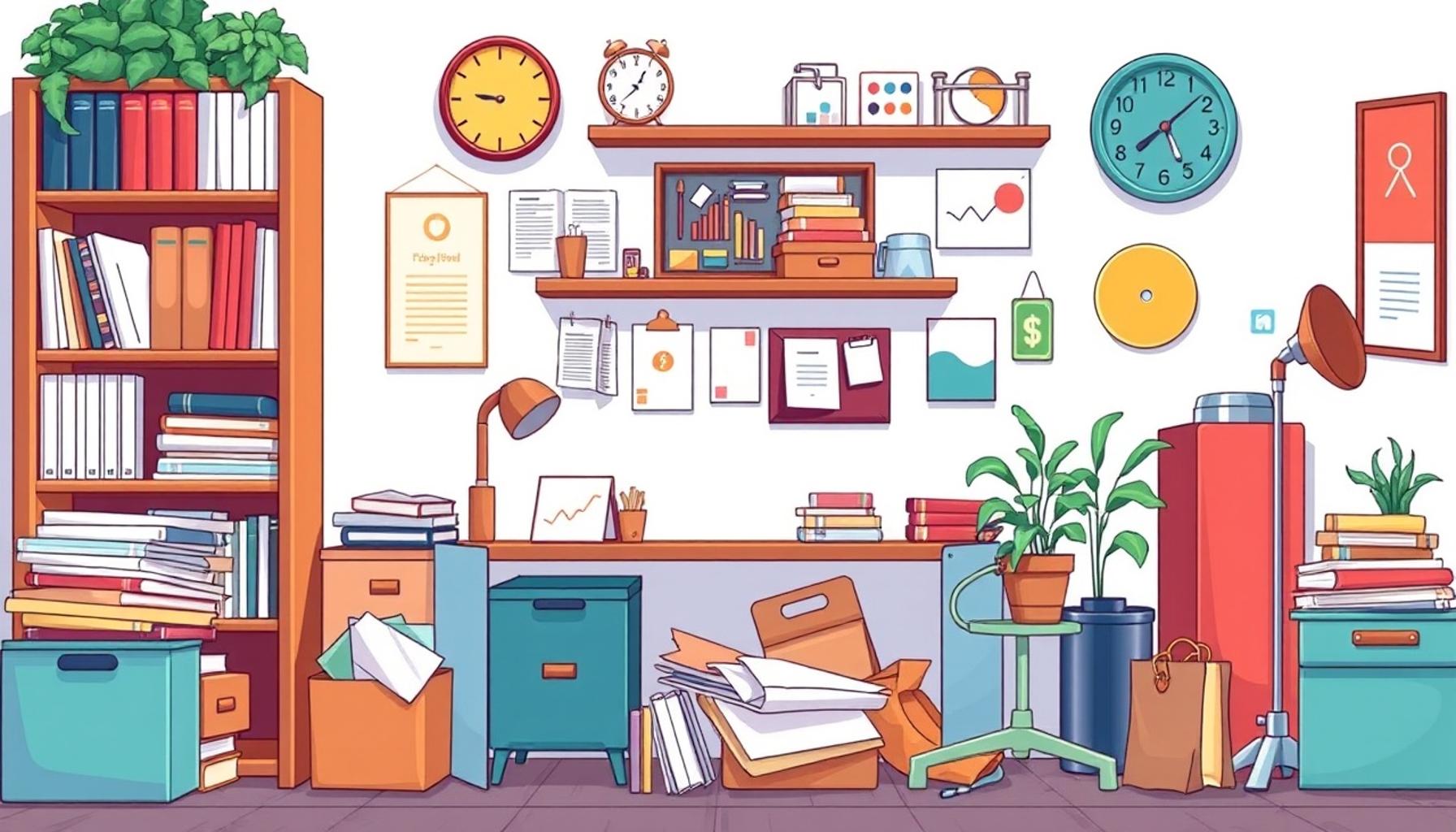
Unleashing the Benefits of Minimalism
In an era dominated by mass consumerism and an overwhelming array of choices, countless individuals are grappling with the burden of clutter in their homes. Particularly in densely populated urban areas, where living spaces are often limited, achieving a sense of tranquility amidst chaos can feel nearly impossible. The philosophy of minimalism serves as a powerful countermeasure, urging us to embrace simplicity and intentionality in our lives and environments.
When living in small spaces, it is easy for belongings to pile up, contributing to an atmosphere fraught with stress and disorganization. By adopting a minimalist mindset, you can:
- Enhance your mental clarity by reducing distractions. A serene environment helps in focusing on what is truly significant—be it work, relationships, or personal growth.
- Maximize functionality with versatile furniture and storage solutions. For instance, a sofa bed or a coffee table with hidden compartments can significantly optimize space, allowing for a smoothly functioning home.
- Promote a sense of calm with organized and open spaces. A decluttered environment has been shown to lower anxiety levels, providing a sanctuary for relaxation and productivity.
Embarking on a minimalist journey doesn’t necessitate a complete lifestyle overhaul. Rather, it invites you to evaluate your belongings critically and underline what truly matters in your daily life. Popular strategies to cultivate minimalism include:
- Decluttering regularly to keep only essential items. The “one in, one out” rule can be particularly useful: each time a new item enters your space, consider parting with an existing one.
- Adopting multi-functional furnishings to save space, such as nesting tables or a storage ottoman that doubles as seating.
- Implementing strategic design that maximizes light and openness, such as choosing lighter color palettes and using mirrors to create an illusion of depth.
As you journey deeper into the world of minimalism, you will often discover a liberating sense of freedom that extends beyond the physical realm. The liberation from physical clutter can lead to a smoother, more deliberate lifestyle, allowing you to focus on experiences rather than possessions. For many, this transformation sparks a greater sense of fulfillment and purpose that can transcend typical consumer-oriented goals.
Furthermore, minimalism can have environmental benefits, reducing the demand for excessive production and consumption while inspiring a sustainable lifestyle. In a society continually striving for more, embracing less can be a radical act of reclaiming one’s peace and autonomy. Whether you choose to adopt a minimalist approach fully or simply integrate aspects of it into your daily life, the potential gains in mental clarity, functionality, and calmness are worthy of exploration.
DISCOVER MORE: Click here to learn about efficient storage solutions for minimalist living
Understanding Minimalism in Small Living Areas
Minimalism is not just a trend; it’s a lifestyle choice that resonates with many living in small spaces across the United States. Amid the hustle and bustle of city life, the challenge of maintaining a tidy, organized home can feel like an uphill battle, especially with the limited square footage that often characterizes urban apartments and tiny homes. By embracing minimalism, you can *significantly reduce clutter* and create a more harmonious living environment.
To kick off your minimalist journey effectively, it’s crucial to first understand the underlying principles of minimalism as they pertain to small spaces. By simplifying your living area, you streamline not only your possessions but also your thoughts and emotional well-being. Here are several key strategies to consider:
- Assess Your Belongings: Start with a thorough inventory. Take the time to categorize your possessions into three groups: keep, donate/sell, and discard. This exercise does more than just reduce clutter; it also makes you more aware of the items that truly add value to your life.
- Establish Clear Boundaries: Designate specific spaces for each category of items. By having a defined place for everything, you’ll not only help keep clutter at bay but also foster a sense of order and predictability within your surroundings.
- Limit Decorative Items: While personal touches are important, overcrowding surfaces with trinkets can create visual chaos. Consider adopting a “less is more” approach by selecting a few meaningful decor pieces that truly resonate with you, rather than overwhelming your space with numerous items.
- Create Zones: In small living areas, every square inch matters. Organize your space into functional zones for different activities such as work, relaxation, and dining. This segmentation helps to maintain clarity and reduces the likelihood of clutter creeping back into these areas.
Research has shown that living in cluttered spaces can lead to increased stress levels and decreased productivity. A clean, minimalist environment, on the other hand, fosters creativity and enhances your overall quality of life. As you familiarize yourself with these strategies, remember that minimalism is not about deprivation; it’s about making thoughtful choices regarding what you allow into your home and life.
Moreover, minimalism encourages a shift in focus from ownership to experiences. By valuing experiences—travel, relationships, and personal growth—over material possessions, you can cultivate a fulfilling lifestyle without the burden of excess stuff. This change in mindset can greatly impact your emotional and mental well-being, providing you with a clearer path towards living intentionally and mindfully.
Making minimalism a regular part of your life can lead to a sustained liberation from clutter and chaos, transforming your small space into a haven of calmness and clarity.
Understanding the Benefits of Minimalism in Small Spaces
Embracing minimalism can significantly transform small spaces, making them more functional and visually appealing. By simplifying your living area, you can promote a sense of calm and control, which becomes essential in compact environments. One of the primary advantages of minimalism is that it encourages thoughtful consumption. This means being selective about the items you bring into your home, ensuring that every piece serves a purpose or holds value.Moreover, minimalist design often incorporates multi-functional furniture, which is ideal for maximizing utility in limited areas. For instance, a sofa bed can serve dual purposes, transforming a living room into a guest bedroom overnight. This flexibility not only reduces clutter but also enhances the functionality of each space.Another key aspect of minimalism is the emphasis on organization. Implementing minimalistic principles encourages the use of storage solutions, such as built-in shelves or under-bed bins, allowing you to keep your belongings tidy and out of sight. By reducing visible items, you create an illusion of spaciousness, making small areas feel larger and more open.
Tips to Achieve Minimalism
To successfully apply minimalism and reap its benefits, consider implementing the following tips:1. Declutter Regularly: Set aside time each month to assess your belongings. Keep only those items that you truly need or cherish.2. Invest in Quality Over Quantity: Choose fewer, higher-quality pieces that will stand the test of time instead of accumulating disposable, lesser-quality items.3. Establish Zones: Designate specific areas for different activities to help maintain order and limit the spread of clutter.4. Create Visual Interest: Use a small number of decorative items that you love to create focal points while avoiding overwhelming the space.By integrating these minimalist strategies, you can create a serene, organized atmosphere in your small living area. It becomes not just about reducing clutter but fostering a lifestyle that values simplicity and clarity.
| Category | Details |
|---|---|
| Improved Space Utility | Maximizes functionality with multi-purpose furniture. |
| Visual Clarity | Creates a spacious feel by minimizing visible items. |
DIVE DEEPER: Click here to discover the art of decluttering
The Practical Application of Minimalism in Small Spaces
Transitioning into a minimalist lifestyle can feel overwhelming, especially for those accustomed to a more cluttered environment. However, adopting this approach can lead to a transformative experience, particularly in the context of small living spaces. Understanding how to effectively implement minimalism means identifying practical steps that can promote a sense of spaciousness and tranquility.
Storage Solutions: One of the most significant challenges in small spaces is the lack of ample storage. By incorporating minimalist principles into your storage solutions, you can maximize every nook and cranny. Utilize multi-functional furniture, such as ottomans that open for storage or beds with built-in drawers, to keep essential items close at hand while minimizing visual clutter. Wall-mounted shelves can also provide stunning displays for your favorite books or plants without taking up precious floor space.
Digitize Whenever Possible: In an age where technology reigns supreme, consider going digital to minimize physical clutter. Scan important documents, receipts, and photos, and store them in cloud-based solutions. This approach not only frees up physical space but also enhances accessibility, allowing you to retrieve important information without sifting through stacks of paper. Additionally, consider curating your music and media collections through streaming services, which can help eliminate the need for CDs or DVDs that tend to pile up.
Mindful Shopping: Minimalism is as much about *what you choose to keep out* as it is about what you let in. Adopt a mindful shopping mentality where you question the necessity of each item before a purchase. Consider applying the “one in, one out” rule—if you buy a new item, commit to letting go of an older one. This practice helps maintain the delicate balance of your belongings and prevents over-accumulation over time.
Quality Over Quantity: When selecting items for your small space, prioritize quality over quantity. Invest in fewer but more durable items that serve multiple functions or bring joy into your daily life. A well-crafted piece of furniture or a striking piece of art can create a focal point and enhance the overall aesthetic of your space, offering both utility and visual appeal without creating chaos.
Regular Decluttering Rituals: Embrace the concept of minimalism as a continuous journey rather than a one-time event. Set aside regular intervals for decluttering, whether it’s once a season or once a month. During these sessions, reevaluate your possessions and determine if any items no longer serve a purpose or hold sentimental value. This ongoing practice will not only keep your space organized but will also help reinforce your commitment to a minimalist lifestyle.
By leveraging these practical strategies, you can create a coherent and appealing living experience that honors the spirit of minimalism while adapting to the constraints of small spaces. As you navigate this journey, remember that each small step contributes to a larger transformation, allowing you to cultivate a serene environment free from the burdens of clutter.
DISCOVER MORE: Click here to learn about efficient storage solutions
Embracing Minimalism for a Clutter-Free Life
In conclusion, embracing a minimalist lifestyle is not merely a trend but a practical approach to enhancing daily living, especially for those residing in small spaces. By understanding the essence of minimalism, individuals can effectively reduce clutter, foster tranquility, and create a more visually appealing environment. The strategies outlined throughout this article—such as adopting multifunctional storage solutions, digitizing documents, practicing mindful shopping, prioritizing quality over quantity, and committing to regular decluttering rituals—offer actionable steps that can seamlessly integrate into one’s daily routine.
It’s important to recognize that minimalism serves as a *lifestyle enhancement*, not solely a means of reducing possessions. By focusing on what truly adds value to our lives, we can cultivate not just physical space but also mental clarity. Minimalism encourages a shift in perspective, prompting individuals to prioritize experiences over material accumulation. Consider this: each item that occupies your space comes with its own maintenance, so why not choose those that align with your passions and life goals?
As you embark on this transformative journey toward minimalism, remember that every small action contributes toward a healthier living space. The process may be gradual, yet the benefits—less stress, more freedom, and a revitalized connection to your surroundings—are undeniable. In the end, adopting minimalism is about more than just decluttering; it’s about redefining your relationship with your living space and ultimately, with yourself.