Set Healthy Boundaries Say No Guilt-Free and With Confidence

Introduction
Every day, we face numerous demands on our time and energy, prompting the question: how do we maintain our well-being without feeling selfish? Setting healthy boundaries is essential for cultivating a balanced life, and learning to say “no” is a crucial part of this process. Understanding the importance of these boundaries can empower us to prioritize our needs while respecting those of others.
Modern life often glorifies busyness and self-sacrifice, leading to burnout and resentment. The ability to assertively decline requests can significantly improve mental health, relationships, and overall happiness. This article will explore the art of saying “no” without guilt and provide practical tools for establishing limits that foster personal growth.
Prepare to discover our Top 5 tips for setting healthy boundaries, which can transform your interactions and enhance your well-being:
- Recognize the importance of self-care
- Communicate assertively and clearly
- Visualize your limits
- Practice makes perfect
- Seek support from friends or professionals
Join us as we delve into each of these points and equip yourself with the skills to confidently navigate your relationships!
CHECK OUT: Click here to explore more
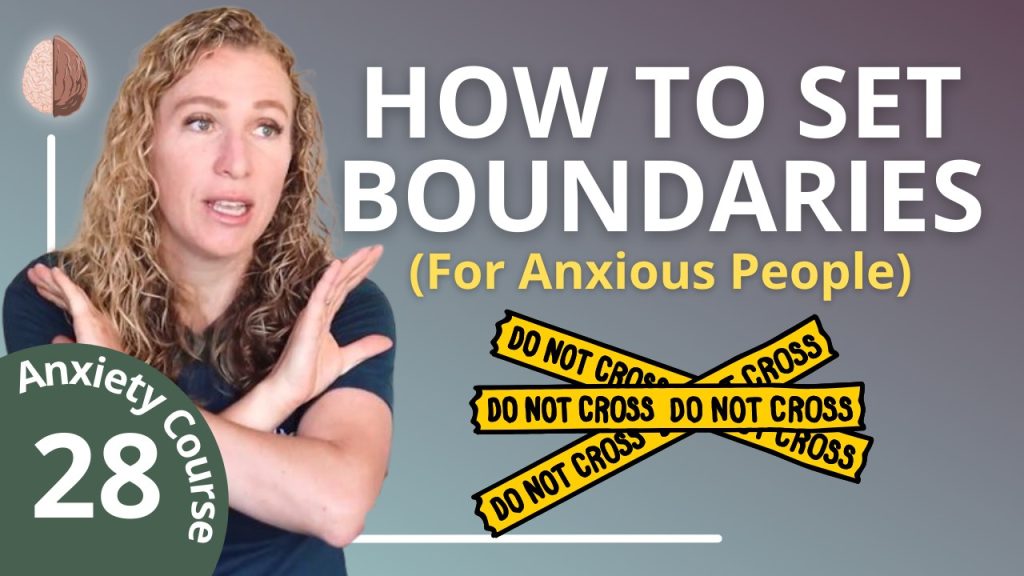
Top 5 Healthy Boundaries: How to Say “No” Without Feeling Selfish
In today’s fast-paced world, setting boundaries is not just a recommendation, it’s a necessity for maintaining both mental and emotional health. At the heart of personal well-being is the word “no”—a simple term that carries significant weight. Mastering the art of saying “no” can feel daunting amid societal pressures to constantly please others. Yet, establishing healthy limits is crucial for safeguarding your time, energy, and overall well-being. In this article, we delve into the top five strategies for saying “no” effectively without succumbing to the guilt or shame that often accompanies such decisions.
5. Understand Your Priorities
Before you confidently say “no” to others, it’s essential to first understand what you value most in life. This involves a deep dive into your own psyche to reflect on your priorities, whether they be family, work, health, or personal projects. Creating this internal framework serves as a guide for decision-making, allowing you to determine when “no” is the most appropriate response.
Consider the following to solidify your understanding of priorities:
- List your top five priorities in life. This exercise clarifies what is truly important to you.
- Evaluate current commitments to see how well they align with these priorities. This evaluation might reveal misalignments and areas for improvement.
- Remember that priorities can evolve, so regular reassessment is necessary as life circumstances change.
If health tops your list of priorities, you might find it easier to decline social engagements that could disrupt your workout schedule or require a compromise of your well-being. Your priorities serve as the compass that guides you to articulate your reasons for saying no, transforming the act from one of selfishness to self-awareness.
4. Practice Assertive Communication
The ability to decline requests through assertive communication is a skill that is not only useful but empowering. Assertive communication involves expressing your thoughts and feelings openly and respectfully, thus eliminating the need for vague excuses.
Here are some phrases that exemplify assertive communication:
- “I appreciate the offer, but I simply can’t take that on right now.”
- “Thank you for thinking of me, but I need to decline.”
- “I am currently focusing on my own priorities, and I won’t be able to participate.”
By being clear and firm in your response, you state your boundaries without the guilt that might normally accompany saying no. This ensures that your limits are respected and understood, both by yourself and the requester.
3. Recognize the Guilt Factor
A pervasive barrier to saying no lies in the resultant feelings of guilt, a vestige of our conditioning which often pushes us towards pleasing others. Recognizing this guilt as an inherited trait, rather than an inherent truth, is the first step towards overcoming it. It’s crucial to internalize that prioritizing oneself is acceptable and necessary.
To manage guilt effectively, consider these strategies:
- Interrogate the guilt: Ask whether these feelings are based on a rational obligation or societal pressure.
- Constantly remind yourself that your time and energy are valuable resources that deserve protection.
- Acknowledge that saying no can open up better opportunities for others, who may be better suited for or in need of the task.
By addressing guilt directly, making it a part of your thought process rather than an overshadowing dictator, you are more empowered to set and maintain the boundaries that preserve your physical and mental health.
2. Learn to Delay Your Response
The compulsion to answer requests immediately often leads to commitments that you might later regret. Learning to delay your response can provide the necessary time to assess an invitation’s alignment with your personal priorities. A helpful tactic is to say, “Let me think about it, and I will get back to you.” This statement offers you the breathing room needed to make a more thoughtful decision.
Alongside delaying your response, you might want to create a checklist to evaluate before agreeing to any request:
- Does this align with my goals?
- Am I genuinely interested or willing to commit?
- How will this affect my current obligations?
Taking this additional time helps you avoid impulsive decisions that might not only disrupt your personal plans but also lead to stress and regret in the long term.
1. Reframe Your Mindset
At the heart of learning to say no is a fundamental mindset shift: seeing boundaries not as barriers to others, but as a form of self-respect. By reframing how you perceive your needs and limits, you realize that saying no does not equate to rejection of others. It is, instead, about the affirmation of your needs.
To foster this vital mindset, try the following strategies:
- Visualize saying “no” as a protective barrier that maintains your health and capability.
- Surround yourself with supportive individuals who understand and respect personal boundaries.
- Regularly affirm your right to establish limits regarding your time and energy, cultivating an environment of self-respect.
Understanding that prioritizing your well-being is not an act of selfishness, but of self-care, is the ultimate key to saying no without guilt. In practicing and mastering this art, you not only improve your life but also inspire others to do the same, promoting a culture of respect and understanding.
| Category | Description |
|---|---|
| Self-Care | Establishing healthy boundaries allows individuals to prioritize their own needs, ultimately leading to improved well-being. |
| Improved Relationships | When individuals communicate their boundaries clearly, relationships often become more respectful and understanding. |
| Increased Confidence | Saying “no” can enhance a person’s self-esteem by affirming their values and choices, fostering a greater sense of self-worth. |
| Time Management | By declining certain obligations, individuals often find they have more time for meaningful activities and personal projects that enrich their lives. |
Navigating the intricate balance of personal boundaries can be daunting, especially when societal norms seem to pressure individuals into perpetual agreeability. However, embracing the notion of healthy limits is essential, unlocking benefits that reverberate through various facets of life. The first advantage lies in the realm of self-care. When one learns to say “no,” it does not stem from selfishness but from a place of awareness regarding personal needs. This vital practice facilitates a pathway towards better mental and emotional wellness, as it emphasizes prioritizing personal health over external demands. Research consistently points to the mental health benefits experienced by those who consciously set such boundaries.Moreover, establishing these boundaries significantly contributes to improved relationships. As individuals articulate their thresholds, it fosters an environment of mutual respect and understanding. Instead of harboring resentment or lingering feelings of obligation, friends, family, and colleagues learn to appreciate each other’s limits, paving the way for healthier interactions. This clarity aids in minimizing miscommunications while nurturing trust within relationships.Beyond interpersonal connections, confidently voicing one’s limitations can lead to a notable boost in self-confidence. Each “no” transforms into an affirmation of one’s values, leading individuals to embrace what truly matters to them. The act of declining unwarranted requests creates an empowering narrative—giving the individual control over their decisions and reinforcing self-worth. Gradually, this cultivates a more assertive personal identity.Lastly, effective boundary-setting aids in skillful time management. Each refusal opens the door to available time slots that can be allocated to pursuits that genuinely resonate with one’s passions and interests. This transition from obligatory engagements to chosen activities not only ensures a more fulfilling life but also enables the opportunity to invest in personal growth and development. By recognizing that saying “no” can lead to “yes” in other, more meaningful contexts, individuals can manage their time intentionally and purposefully. As the conversation surrounding healthy boundaries continues to evolve, understanding and applying these principles becomes increasingly vital in promoting well-being and balance in everyday life. Through education and practice, saying “no” can become an art form, allowing individuals to sculpt a life that reflects their true desires and priorities.
SEE ALSO: Click here to read another article
Frequently Asked Questions about Healthy Boundaries
What does setting healthy boundaries actually mean?
Setting healthy boundaries involves establishing limits in your personal and professional life that are important for your well-being. It means communicating your needs and expectations clearly to others, and it often involves saying “no” without guilt. Healthy boundaries are crucial for maintaining balance and protecting your emotional and mental health.
Why do people struggle with saying “no” without feeling guilty?
Many people fear that saying “no” might be perceived as selfish or unkind. Cultural norms often shape individuals to comply with others’ demands to avoid conflict or rejection. This guilt may stem from a lack of self-prioritization and the misconception that others’ needs should always come first. However, learning to prioritize your own needs is essential for preventing burnout and fostering mutual respect in relationships.
Can setting boundaries improve my relationships?
Yes, setting boundaries can greatly enhance the quality of your relationships. When boundaries are set and respected, relationships tend to be more honest and transparent. It can reduce resentment and misunderstandings, as expressed expectations often lead to greater mutual respect and communication. In essence, healthy boundaries nurture healthier interactions and empower you to build sustainable relationships based on mutual understanding.
How can I start setting boundaries in my everyday life?
Begin by identifying areas where you feel overextended or uncomfortable. Clearly communicate your needs to others, but be sure to frame your boundary setting in a positive and respectful manner. It’s helpful to set small, manageable goals at first, gradually increasing them as you become more comfortable. Remember, consistency is key. Practice patience with yourself as you hone this skill, recognizing that setting boundaries is a continuous process.
What should I do if someone reacts negatively to my boundaries?
It is crucial to remain calm and assertive. Acknowledge their feelings but reinforce that your boundaries are non-negotiable for your well-being. Not everyone will respond positively, especially if they are accustomed to certain behaviors. However, assure them that your intention is not to harm the relationship but to ensure it is healthy for both parties. Stand firm in your boundaries to maintain them effectively.
ADDITIONAL INSIGHTS: Expand your understanding here
Conclusion
In navigating the intricacies of personal boundaries, one key realization is that setting healthy limits is not just a personal necessity, but a fundamental component of balanced relationships and self-care. Learning how to say “no” without succumbing to feelings of guilt or selfishness is crucial for maintaining mental and emotional well-being.
First and foremost, understanding that boundaries are a form of self-respect can shift how we view the act of saying “no”. It’s not about rejecting others; it’s about prioritizing one’s own needs and ensuring that those needs are met. This forms the basis for fostering authentic connections where mutual respect can thrive.
Moreover, communication plays a pivotal role in the process. By being clear and assertive, yet compassionate, you allow for an open dialogue that not only safeguards your own boundaries but often encourages others to establish and vocalize theirs. This can lead to healthier dynamics both personally and professionally.
Another important takeaway is the significance of recognizing and overcoming the cultural and social pressures that may prevent us from setting these boundaries. Reflecting on personal values and consistently practicing assertiveness can gradually ease the discomfort associated with denying a request, reinforcing the notion that saying “no” is not inherently negative.
Ultimately, establishing healthy boundaries is an ongoing journey that requires continuous reflection and practice. As individuals become more comfortable with this process, they are likely to experience a profound sense of empowerment and an enhanced ability to manage personal and interpersonal challenges effectively.
In a society that often equates busyness with value, learning the art of saying “no” can be a revolutionary act of self-preservation and resilience. As we delve deeper into such topics, it becomes increasingly clear that prioritizing one’s own mental health and personal boundaries is crucial for leading a fulfilling daily life.
Related posts:
Transform Self-Criticism into Healthy Self-Guidance A How-To Guide
Conquer Imposter Syndrome Practical Strategies for Success
Overcome Morning Anxiety Start Your Day Better with These Tips
Rebuild Self-Esteem After a Tough Relationship Effective Steps
Stop Pleasing Everyone How to Respect Yourself More Find Balance
Reduce Anxiety Before Sleep Effective Tips for Better Rest

Linda Carter is a writer and affirmation specialist who helps individuals harness the transformative power of daily positive self-talk. With extensive experience teaching mindset-shifting techniques, she shares neuroscience-backed affirmation practices on our platform to build self-worth, reprogram limiting beliefs, and manifest personal growth. Her goal is to equip readers with uplifting daily rituals that create lasting positive change.